
You notice it when the design is already doing most things right. The bathroom stays bright, the slider keeps the room open to the yard, or the skylight brings in exactly the kind of daylight you wanted. Then one private moment, one awkward sightline, or one season of actually living with the space turns the question into a real budget decision: is this a minor nuisance that deserves a simple fix, or is this one of those openings where privacy on demand is actually worth paying for?
That distinction matters more than the general idea of home smart glass. Most homeowners do not need switchable privacy everywhere, and we do not advise it that way. The smarter approach is to pressure-test one opening at a time based on how often privacy is needed, whether the glass already exists, how disruptive a retrofit would be, and whether a lower-cost static solution would create a compromise you will regret later.
Not sure whether smart glass or smart film fits your opening?
Pacific Smart Glass helps homeowners, designers, and contractors evaluate whether a bathroom window, slider, skylight, or interior partition is a better fit for integrated switchable glass, retrofit smart film, or a simpler privacy solution.
In residential projects, the answer usually comes down to three paths: switchable glass built into the glazing itself, retrofit smart film applied to existing glass when conditions allow, or a conventional privacy option such as frosted glass, static film, shades, or curtains. Each can be the right answer. The goal is not to force a premium product into every room. It is to match the right level of privacy control to the actual way the opening is used.
If you are comparing options early, it helps to sort them by scope before you think about style. New switchable glass usually makes the most sense when the opening is already being rebuilt, reglazed, or specified from scratch. Retrofit smart film is often the better fit when the glass is already in place and the goal is to upgrade it without full replacement. Conventional privacy solutions are still valid when the problem is simple, frequent enough to live with statically, or not important enough to justify electrical planning and premium material costs.
- Switchable glass: Best when you are replacing glass anyway and want the cleanest integrated result for privacy on demand.
- Retrofit smart film: Best when existing glass may be suitable for upgrade and you want to avoid unnecessary replacement.
- Frosted or etched glass: Best when permanent privacy is acceptable and you do not mind losing clear visibility full time.
- Static privacy film: Best for lower-cost privacy when flexibility is not important.
- Shades or curtains: Best when visual softness matters more than maintaining a clean, uncovered glass look.
The quickest way to narrow the field is this: if the opening only needs privacy occasionally and you strongly value daylight, openness, and a clean look the rest of the time, smart glass or smart film deserves a closer look. If you need privacy almost all the time, or the glass is in a low-design-priority location, a static solution may be more sensible.
What home smart glass really changes
Home smart glass is not valuable just because it can switch from clear to opaque. Its value comes from avoiding an all-day sacrifice for a part-time problem. In the right opening, that means you do not have to choose between an exposed room and a permanently covered one.
When we talk with homeowners, designers, and contractors, the worth-it question almost always turns on five variables. First is use frequency: how often does privacy matter enough that someone will actually use the feature? Second is project stage: are we planning before glass is ordered, or trying to upgrade what is already installed? Third is existing-glass condition: some retrofit situations are more viable than others. Fourth is access to power and controls: privacy on demand needs coordination, even when the finished look is minimal. Fifth is regret risk: will a cheaper fix solve the immediate issue while creating a daylight, openness, or convenience problem that lingers?
That is why switchable glass and smart film should not be treated as interchangeable buzzwords. They can deliver a similar privacy experience, but the right path often depends on whether you are working with new glazing or existing glass. In many homes, the product decision is really a scope decision disguised as a style preference.
Bathrooms are often the clearest worth-it case
A bathroom window, shower enclosure, or privacy-facing glass partition is one of the few residential situations where occasional privacy can justify a premium solution very quickly. The reason is simple: bathrooms often need privacy intensely, but not constantly. For the rest of the day, people usually want the room to feel open, bright, and clean.
In a remodel, this is where switchable glass often earns its keep. If the opening is already being redesigned, tile and electrical details are still in play, and the room depends on glass to stay light-filled, privacy on demand can preserve the design intent better than frosting everything permanently or introducing bulky coverings. This is especially true in bathrooms with borrowed light, view-facing windows, or shower glass that would feel heavier if treated statically.
That said, not every bathroom deserves the upgrade. If the window is small, already obscure, rarely exposed, or in a spot where a simple covering would not damage the room, a lower-cost option may be enough. We are usually candid here: if permanent privacy will not meaningfully change how the room feels, smart glass may be more than the opening needs.
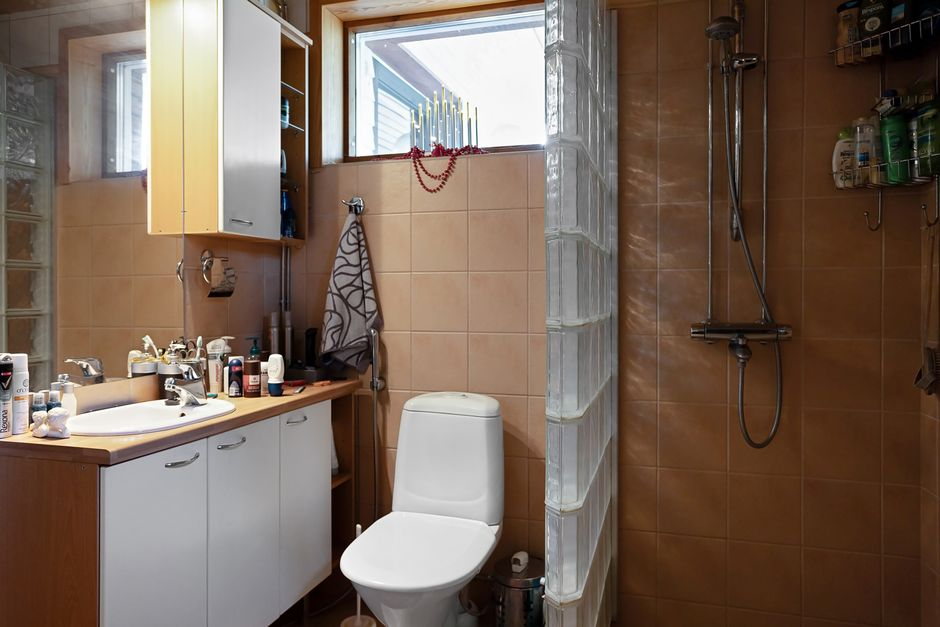
The trigger that tends to tip the decision is whether a static fix would permanently compromise a feature you specifically paid to create. If frosting the glass means losing a sense of openness, interrupting daylight, or making a remodeled bath feel more closed off than planned, smart privacy starts to make more sense.
Large sliders can justify the upgrade when openness is the point
Sliding glass doors are trickier, because they involve larger expanses of glass and a bigger investment. That means the threshold for “worth it” should be higher. But in Southern California homes especially, sliders are also where privacy can feel most situational. You may love the indoor-outdoor connection all day and only feel exposed during specific hours, certain gatherings, or when interior lighting changes the relationship to the outside.
In that situation, the cheapest answer is often shades, drapery, or a static film. Those can absolutely be the right call, especially if the privacy need is predictable and you do not mind covering the opening when it matters. The issue is that many homeowners later realize they solved a part-time privacy problem by changing the room full time. The shades stay down more than expected. The film dulls the openness they wanted. The architecture starts working around the privacy fix instead of the other way around.
Smart privacy tends to earn its premium on sliders when the glass is central to the room, the opening is used visually as much as physically, and the owner cares about keeping the glass unobstructed most of the time. It is less compelling when the door is secondary, privacy is needed for long stretches every day, or conventional coverings already fit the aesthetic and routine comfortably.
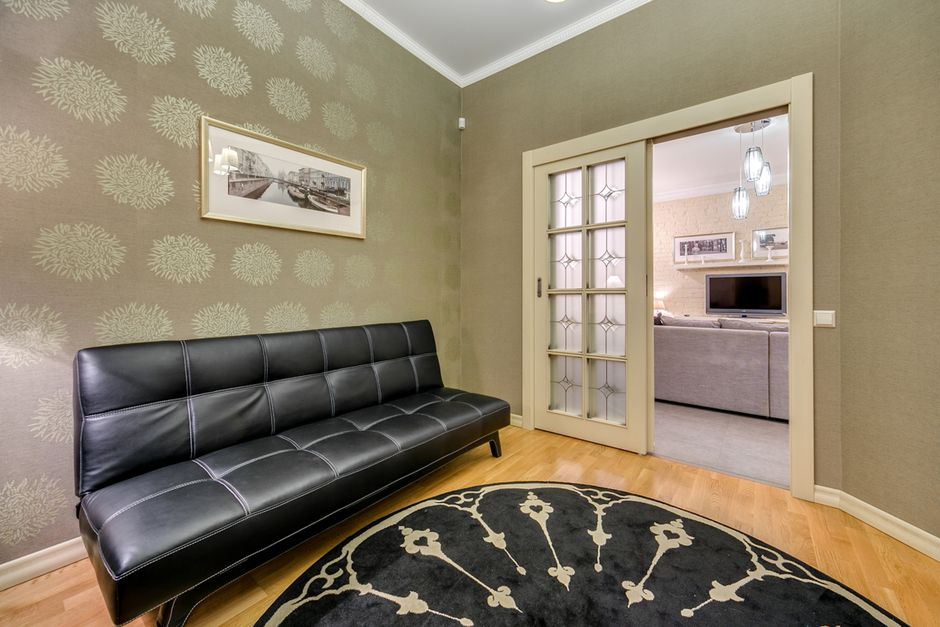
The key question is not whether a slider can use privacy glass. It is whether the whole reason for that slider is the uninterrupted openness that static coverings would undermine. If yes, dynamic privacy has a much stronger case.
Skylights and high windows are about convenience as much as privacy
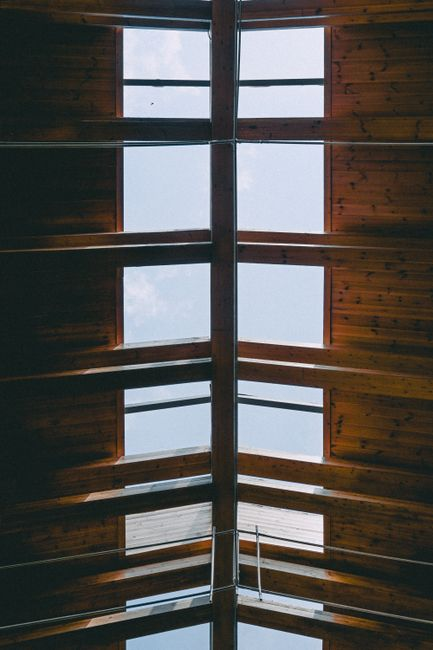
Hard-to-reach glass changes the calculation because the problem is no longer just visibility. It is also usability. A skylight or tall clerestory window may only need privacy or light control occasionally, but even an occasional need becomes annoying when the fix is awkward, visually intrusive, or difficult to operate safely.
This is where smart glass can outperform simpler options in a very practical way. Manual coverings can be inconvenient or unrealistic. Motorized alternatives may still add visual clutter or require assemblies some homeowners never wanted to see. If the opening is high, prominent, and meant to stay architecturally clean, privacy on demand can solve the problem without introducing another system that competes with the glass.
Still, this is not automatic. If the concern is primarily heat or glare rather than privacy, the right specification discussion may broaden beyond privacy alone. And if the opening is rarely noticed, or a conventional treatment would be acceptable because the glass is not a major design feature, smart glass may not deliver enough daily value to justify the premium. The strongest worth-it case is when reach, convenience, and visual simplicity all matter at once.
Open interiors and glass partitions need an honest test
Inside the home, switchable privacy can be a beautiful solution for offices, flex rooms, dressing areas, or design-forward partitions that should feel open sometimes and private at others. But this is also where overbuying happens most easily, because the idea is compelling even when the day-to-day need is weak.
We usually advise clients to be strict here. If an interior partition only needs privacy a few times a year, or if a door, wall shift, or simpler treatment would solve the real issue more directly, the premium may not be justified. On the other hand, if the space genuinely changes function through the day and the design depends on transparency the rest of the time, smart privacy can do something static solutions cannot: preserve flexibility without making the room feel permanently divided.
The decision trigger is behavioral. Will people actually switch it because the room truly operates in two modes, or is the feature being specified for a hypothetical moment that barely happens? That answer matters more than how impressive the product looks on paper.
What changes the recommendation in real projects
The same opening can get a different recommendation depending on where the project stands. If the glass is being replaced anyway, integrated switchable glass may be the cleaner long-term move. If the opening already exists and the goal is to avoid unnecessary demolition or reglazing, retrofit smart film may be the more efficient path if the glass condition and setup are suitable. This is one reason we encourage people to raise the question before glass orders, shop drawings, or finish details are locked.
Power and controls matter too. Privacy-on-demand products need planning, even when the final appearance is minimal. That does not mean the process has to be complicated, but it does mean the timing should be coordinated with the broader residential scope. Waiting until the opening is fully finished can limit options or create avoidable rework.
There is also a broader comfort conversation in many Southern California homes. Large glass areas, strong daylight, and indoor-outdoor design can make privacy only one layer of the decision. Depending on the opening, homeowners may also be thinking about glare, sun exposure, and how often they want the glass fully open visually versus managed in some way. That does not make smart glass the answer by default, but it does mean the “worth it” conversation should be tied to how the opening behaves throughout the day, not just how it looks in a single design rendering.
Most of the expensive mistakes come from treating all glass privacy problems the same. They are not. A bathroom opening in the middle of a remodel, an existing slider that may be retrofit-ready, and a hard-to-reach skylight each deserve a different threshold for investment.
A quick pressure test before you commit
If you are trying to decide whether one opening deserves smart privacy or a simpler fix, this short checklist usually surfaces the answer fast.
- Do you need privacy only sometimes, but care a lot about keeping the glass clear the rest of the time?
- Would a permanent solution noticeably reduce daylight, openness, or the design effect you want from that opening?
- Is the opening already being rebuilt, reglazed, or evaluated for retrofit rather than treated as an afterthought?
- Is the glass prominent enough that curtains, shades, or static film would feel like a compromise rather than a neutral fix?
- Will people actually use privacy on demand regularly enough to justify the upgrade?
The more often you answer yes, the stronger the case for smart glass or smart film. If most answers are no, a conventional privacy approach may be the better investment.
Why planning help matters more than product hype
This is where our role at Pacific Smart Glass becomes important. We are not just helping clients choose between clear and opaque glass. We help determine whether the opening should use integrated switchable glass, whether an existing panel may be a candidate for smart film, what coordination is needed for power and controls, and when those decisions need to happen so the project does not drift into avoidable cost or scope gaps.
That planning perspective is especially useful in residential work because homeowners, designers, and contractors are often making the decision from different angles. The homeowner is protecting budget, the designer is protecting the concept, and the contractor is protecting sequencing and feasibility. A good smart-glass recommendation has to satisfy all three. In our experience, the wrong choice is usually not a product failure. It is a timing or scope mismatch that could have been caught earlier.
For some projects, that means confirming that a simpler solution is enough. For others, it means identifying the few openings where privacy on demand is exactly the right move and getting the specifications aligned before ordering or installation begins.
Common questions that come up at decision time
Is smart glass worth it if I only need privacy occasionally?
Sometimes, yes. Occasional use can still justify smart privacy when the alternative would compromise a major design feature every day. Bathrooms, prominent sliders, and hard-to-reach glass are the most common residential examples.
How do I know whether I need smart film or full glass replacement?
It usually depends on project stage and existing-glass conditions. If the opening is already being replaced, switchable glass may be the cleaner path. If the glass is staying in place and suitable for upgrade, smart film may avoid unnecessary replacement.
Are shades or frosted glass ever the better answer?
Absolutely. If you need privacy most of the time, if the opening is not visually important, or if a static solution would not create real regret, a conventional option may be the smarter spend.
When should I bring this up during a remodel?
As early as possible—ideally before glass is ordered, electrical paths are closed up, or finish details make changes harder. Smart privacy decisions are much easier when they are part of planning rather than a late correction.
Can large residential openings be evaluated one by one instead of committing to the whole house?
Yes, and that is often the best approach. Most homes do not need privacy-on-demand everywhere. The better strategy is to identify the few openings where dynamic privacy protects daylight, openness, and convenience enough to justify the investment.
If you are still in design, this is the moment to flag the openings where static privacy may compromise the concept later. If you are comparing quotes, it is worth separating new-glass scenarios from retrofit candidates so you are not paying for more scope than you need. If the glass already exists, a feasibility review can clarify whether smart film is realistic before you assume replacement is required. And if installation is approaching, power, controls, and sequencing should be aligned now so the privacy solution works like part of the home instead of an add-on. That is the kind of decision support we provide at Pacific Smart Glass: helping you choose the opening, the product path, and the project timing that make privacy on demand worth it.
Ready to choose the right smart privacy solution?
If you are planning a remodel, comparing retrofit possibilities, or trying to avoid paying for more scope than you need, Pacific Smart Glass can help you identify the best product path for each opening before glass orders and finish details are locked in.