
The smart glass mistakes Los Angeles homeowners make most often aren’t about taste or budget. They’re about skipping steps that seem minor until they cost you thousands. We’re talking HOA removal orders, failed Title 24 inspections, and installers who show up without the right license. If you’re shopping for smart glass, smart film, or LED film in LA right now, read this before you sign anything.
Mistake #1: Choosing the Wrong Opacity Level for Your Space
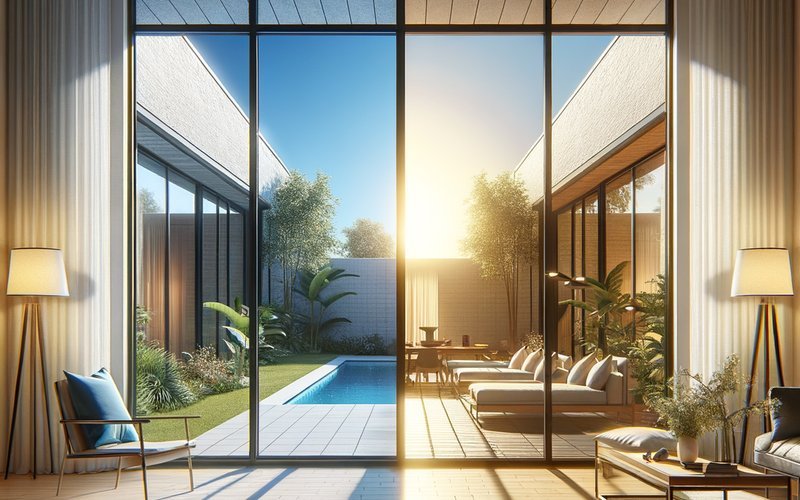
Opacity isn’t just an aesthetic choice. It directly controls how much privacy you get and how much natural light comes through, and those two things don’t always work together the way you’d expect.
Here’s the thing most salespeople won’t tell you upfront: smart glass in its “off” state (opaque/frosted) blocks significant daylight. In a north-facing bedroom in Silver Lake, that might be exactly what you want. But in a south-facing open-plan kitchen in Brentwood, you could end up with a space that feels like a cave every time you flip the switch.
Daytime vs. Nighttime Performance
Smart glass opacity also behaves differently depending on the time of day and the direction light is coming from. During the day, an opaque setting gives you solid privacy from outside. But at night, with interior lights on, even semi-transparent settings can create a lantern effect where people outside see in clearly. This catches a lot of LA homeowners off guard, especially in hillside homes where neighboring properties are at eye level.
The opacity scale typically runs from 0% (fully clear) to 100% (fully opaque), but most residential smart glass products max out around 85-90% opacity in the off state. For bathrooms and bedroom windows, you want something in the 80-90% range. For living rooms and office glass partitions, a 60-70% opacity product often hits the right balance between privacy and ambient light.
Zone-Specific Needs Matter
Don’t buy one opacity level for every window in your house. A smart film solution for your bathroom skylight has completely different requirements than the sliding glass door facing your neighbor’s yard. Talk to your installer about each zone individually, and ask to see sample panels in actual lighting conditions, not just in a showroom.
Mistake #2: Skipping HOA Approval Before Installation
In Los Angeles, skipping HOA approval before installing smart glass is one of the fastest ways to lose your entire investment. HOAs can and do require removal of unapproved window modifications, and they don’t reimburse you for what you spent.
CC&Rs (Covenants, Conditions & Restrictions) in most LA HOAs cover any change to the exterior appearance of a unit or home. Smart glass and smart film both qualify as window modifications under most CC&R language, even if the product is applied to the interior surface. Some HOAs in communities like Playa Vista, Brentwood Park, and parts of the Hollywood Hills have denied approvals specifically because of how the glass looks from the street in its opaque state.
What “Written Approval” Actually Means
A verbal okay from your HOA property manager isn’t enough. Get the approval in writing from the HOA board, specifically referencing the product type, the windows being modified, and the installation method. That document protects you if board membership changes or if a neighbor files a complaint after the work is done.
The approval process typically takes 2-6 weeks depending on how often your HOA board meets. Build that into your project timeline. If you’re in a condo building, you may also need approval from the building owner or management company, separate from the HOA board itself. For a deeper look at what’s required and what isn’t, this guide on smart glass installation permits in Los Angeles covers both the HOA angle and the city permit side in detail.
And don’t assume smart film gets a free pass just because it’s removable. Most HOA boards treat it the same as permanent glass modification. Ask first, install second.
Mistake #3: Ignoring UV and Solar Heat Gain Specs
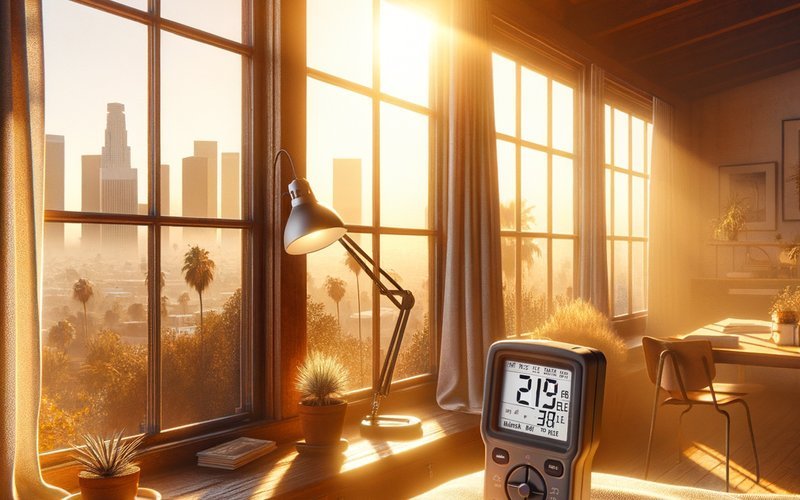
In Los Angeles, the solar heat gain coefficient (SHGC) of your glass isn’t just a spec sheet detail. It determines whether your installation passes a Title 24 energy compliance inspection, and whether it can actually handles LA’s heat load without cooking your interior.
Title 24, California’s Building Energy Efficiency Standards, sets maximum SHGC values that vary by climate zone. Los Angeles County spans multiple climate zones (primarily Zone 9, Zone 10, and Zone 6 along the coast), and the requirements differ between them. A product that passes in Santa Monica might not pass in the San Fernando Valley.
| LA Climate Zone | Example Areas | Max SHGC (Title 24) | Recommended Smart Glass SHGC |
|---|---|---|---|
| Zone 6 (Coastal) | Santa Monica, Venice, Malibu | 0.25 | 0.20-0.23 |
| Zone 9 (Inland Valley) | Culver City, Pasadena, Burbank | 0.25 | 0.18-0.22 |
| Zone 10 (Hot Inland) | San Fernando Valley, Chatsworth | 0.22 | 0.17-0.20 |
Beyond Title 24, UV rejection matters for furniture, flooring, and artwork. Most quality smart glass products block 99% of UV radiation regardless of opacity setting, but you should confirm this in writing before purchase. Budget smart film products sometimes drop to 85-90% UV rejection, which sounds fine until your hardwood floors start fading two years in.
So how do you check compliance? Ask your installer for the NFRC (National Fenestration Rating Council) label data for the specific product you’re buying, not just the product line. Different configurations of the same brand can have different SHGC ratings. If an installer can’t produce that data, that’s a red flag. For more on how smart glass performs specifically in LA’s heat, the team at Pacific Smart Glass covers LA heat performance in detail here.
Mistake #4: Hiring an Installer Without LA Commercial Licensing Experience
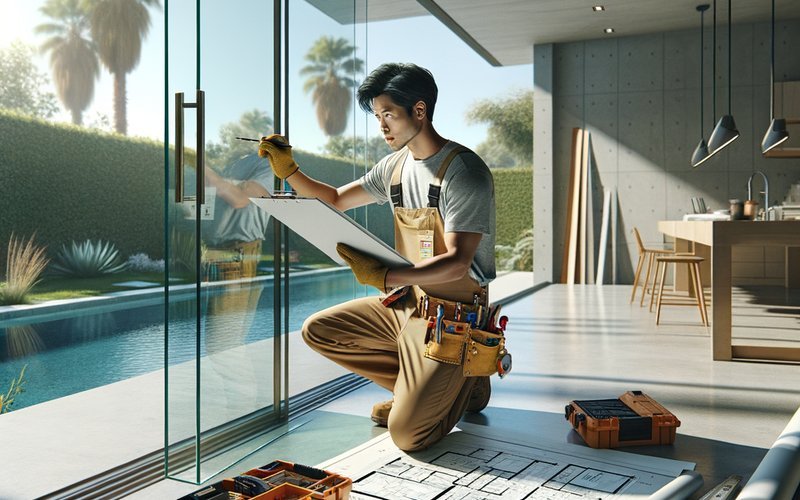
This is where the smart glass mistakes Los Angeles homeowners make get most expensive. Hiring an unlicensed or underqualified installer can void your product warranty, create liability if the installation causes damage, and result in failed inspections that require you to redo the work entirely.
In California, smart glass installation involves two distinct trades. The glazing work falls under a C-17 Glazing Contractor license, issued by the California Contractors State License Board (CSLB). The electrical wiring for the switching mechanism requires a C-10 Electrical Contractor license. Some installers hold both. Others subcontract the electrical work. Either approach is fine, but you need to confirm both licenses are active before anyone starts work.
Why LADBS Project History Matters
Beyond state licensing, look for installers with a documented history of pulling permits through the Los Angeles Department of Building and Safety (LADBS). An installer who’s done a handful of projects without permits might be technically skilled, but they don’t know the LA-specific inspection requirements that can trip up a project at the final stage.
You can search permit history on the LADBS website using a contractor’s license number. Look for completed residential glazing or electrical permits in the past 12-24 months. If a company has no LADBS permit history, ask why. And if they tell you a permit isn’t required for your project, verify that independently. For a full breakdown of the seven questions to ask before you hire, check out this guide on choosing a smart glass installer in Los Angeles.
Honestly, a lot of homeowners in LA discover their installer wasn’t properly licensed only after something goes wrong. Don’t be one of them. Ask for both license numbers before the first site visit, and verify them at cslb.ca.gov. It takes three minutes and can save you tens of thousands. If you want to work with a team that has established LA licensing and permit experience, Pacific Smart Glass is a solid starting point for residential smart glass projects in Los Angeles.
Mistake #5: Confusing Smart Film, Smart Glass, and LED Film Products
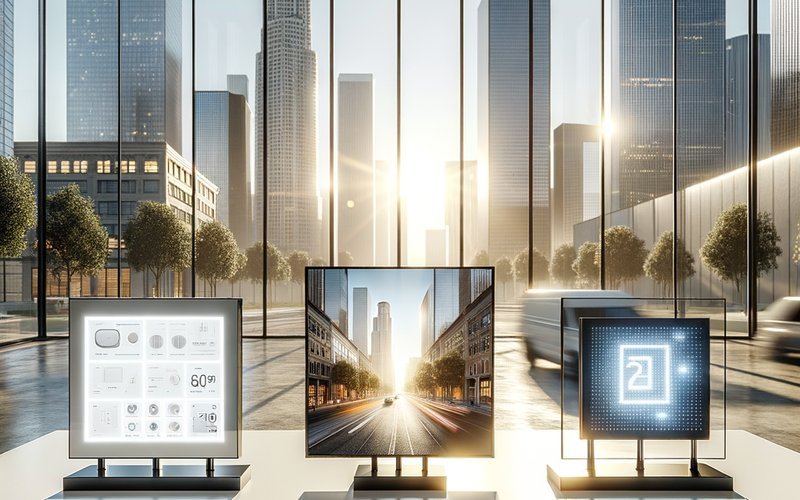
These three products look similar in a showroom photo but serve very different purposes, install differently, cost differently, and fail in completely different ways if you use them wrong.
Smart film is a switchable privacy film applied to existing glass. Smart glass is a full glass unit with the PDLC (Polymer Dispersed Liquid Crystal) technology built into the glass itself. LED film is a transparent display film that makes glass into a screen. None of these are interchangeable, and using the wrong one for a given application is a mistake that costs real money to undo.
| Product | What It Does | Installed On | Typical LA Cost (per sq ft) | Privacy Function? |
|---|---|---|---|---|
| Smart Film | Switchable privacy on existing glass | Applied to existing glass surface | $25-$45/sq ft installed | Yes, primary function |
| Smart Glass | Full privacy glass unit, structural | Full glass replacement required | $65-$120/sq ft installed | Yes, primary function |
| LED Film | Transparent display / visual screen | Applied to existing glass surface | $80-$150/sq ft installed | No, minimal privacy |
The biggest confusion we see is homeowners ordering LED film expecting privacy glass behavior. LED film is designed for visual display, retail signage, and decorative light effects. It’s not a privacy product. When it’s off, it’s essentially transparent. When it’s on, it displays content or ambient light patterns. Using it on a bathroom window would be a genuinely expensive mistake.
Smart film, on the other hand, is a great option for renters or homeowners who want flexibility. It applies to your existing glass and can be removed without damaging the underlying surface. For a detailed breakdown of what renters and owners can actually install in LA, the guide on smart glass for Los Angeles renters and landlords is worth reading before you commit to anything. You can also get an overview of all three product types at this overview of smart films and glass in Los Angeles.
Full smart glass replacement costs significantly more because it requires a licensed glazier to remove and reinstall the entire glass unit, plus framing work in some cases. But the longevity is better. A properly installed smart glass unit in a Los Angeles home should last 15-25 years without delamination issues. Smart film typically carries a 5-10 year warranty depending on the manufacturer.
What to Do Before You Buy: A Quick Pre-Purchase Checklist
Before you spend a dollar on any smart glass product in Los Angeles, run through these steps. This isn’t bureaucratic overkill. It’s what separates a smooth installation from a project that drags on for months and costs twice what you planned.
- Get specs in writing: Ask for the NFRC label data, SHGC rating, UV rejection percentage, and opacity range for the specific product you’re purchasing, not just the brand’s general claims.
- Confirm your climate zone: Look up your property’s Title 24 climate zone on the California Energy Commission’s website and verify your product’s SHGC rating meets the requirement for your zone.
- Submit HOA approval before scheduling: Don’t book an installation date until you have written HOA board approval in hand. Budget 2-6 weeks for this step.
- Check permit requirements with LADBS: Call or use the LADBS online portal to confirm whether your project requires a building permit. Window replacements and new electrical wiring typically do. Smart film applied to existing glass sometimes doesn’t, but verify for your specific case.
- Verify both contractor licenses: Confirm your installer holds an active C-17 license and either a C-10 or has a licensed electrical subcontractor. Check both at cslb.ca.gov before any site visit.
- Request references from completed LA projects: Ask specifically for residential projects in Los Angeles where the installer pulled permits through LADBS. A company with a solid local track record won’t hesitate to provide this.
- Clarify the product category: Make sure you and your installer are discussing the same product type (smart film, full smart glass, or LED film) and that the choice matches your actual use case for each zone.
The smart glass mistakes Los Angeles homeowners regret most aren’t impulse buys. They’re the result of moving too fast, trusting vague assurances, and skipping the verification steps that feel tedious until they aren’t. Take two extra weeks upfront and you’ll have a project that works right the first time.
For a broader look at everything that goes into a successful installation in LA, the Ultimate Guide to Smart Glass Installation for LA Homeowners covers the full scope from product selection through final inspection.