
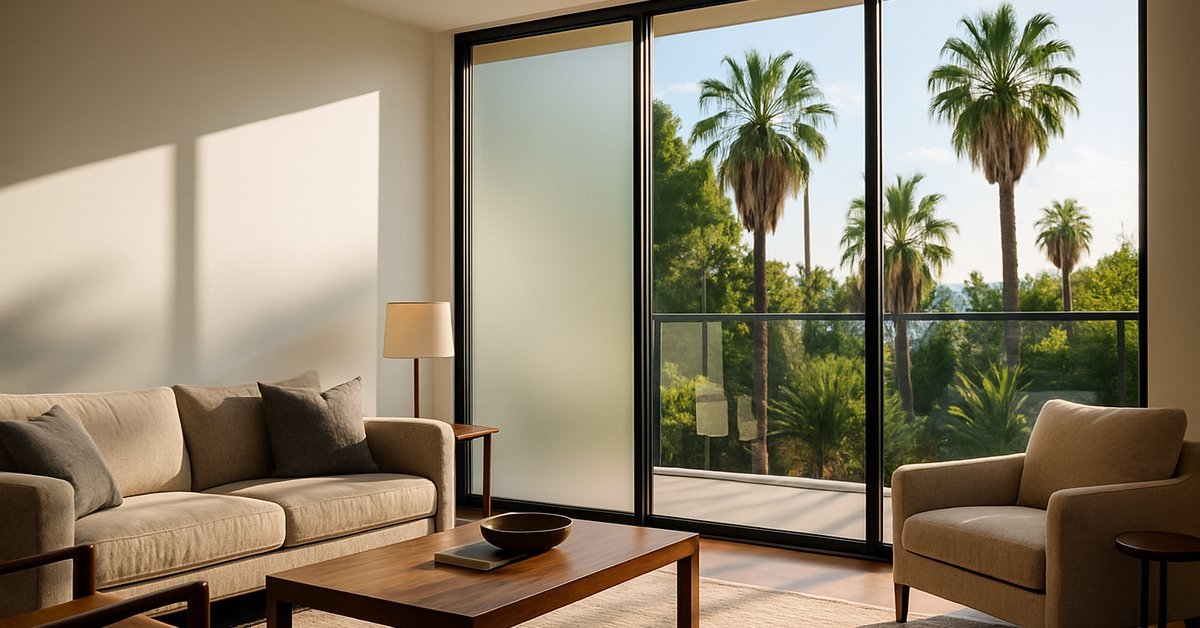
Los Angeles property owners are staring at a real choice right now: keep paying for blinds, frosted film, and outdated privacy solutions, or upgrade to switchable glass technology that works with a switch or app. Smartglass solutions in Los Angeles cover three distinct product categories, each priced differently and suited to different buildings. The LA market has unique cost pressures, including union labor minimums in some commercial zones and HOA restrictions in high-rise residential districts, that most national pricing guides simply ignore. This guide covers every product type, real project costs, neighborhood-specific adoption trends, and how to find a qualified installer in the city.
Ready to get a number for your specific windows? Get a free estimate from a licensed Los Angeles smart glass contractor before you commit to anything.
What Smartglass Solutions Are Actually Available in Los Angeles Right Now?
In Los Angeles, three smartglass product categories are actively installed for both residential and commercial projects. Each one uses different technology, installs differently, and fits a different type of property. Knowing which exists is the first step before you price anything out.
| Product | Technology | Best For | Installed On | Typical LA Project Size |
|---|---|---|---|---|
| Smart Film (PDLC) | Polymer Dispersed Liquid Crystal | Condos, offices, residential windows | Existing glass (retrofitted) | 50–400 sq ft |
| Smart Glass | Electrochromic or PDLC laminated glass unit | New construction, full replacements | New glass units (factory-built) | 100–1,000+ sq ft |
| LED Film | Transparent LED display panels | Storefronts, lobbies, retail displays | Existing glass surfaces | 20–300 sq ft |
Smart film is the retrofit option. You apply it to your existing glass and connect it to a standard 110V power supply. Off, it’s frosted and private. On, it goes clear. Installation doesn’t require replacing your windows, which is why it’s popular in Silver Lake bungalows and Mid-City commercial offices where the existing glass is structurally sound but lacks any privacy.
Smart glass is the premium, built-in product. It ships as a complete insulated or laminated glass unit with the switchable layer already inside. You’re replacing the entire window or glass wall, which means higher cost but also better insulation values and cleaner aesthetics. Most Century City commercial towers and new Beverly Grove residential builds specify this product for that reason.
LED film sits in its own category. It’s not primarily a privacy product. It turns glass into a display surface, showing graphics, video, or brand messaging. LA retail corridors and hotel lobbies are the biggest adopters right now. Los Angeles storefronts are increasingly using LED film as a direct alternative to traditional signage, with the display visible from the street without blocking interior sightlines.
How Much Do Smartglass Solutions Cost in Los Angeles in 2026?
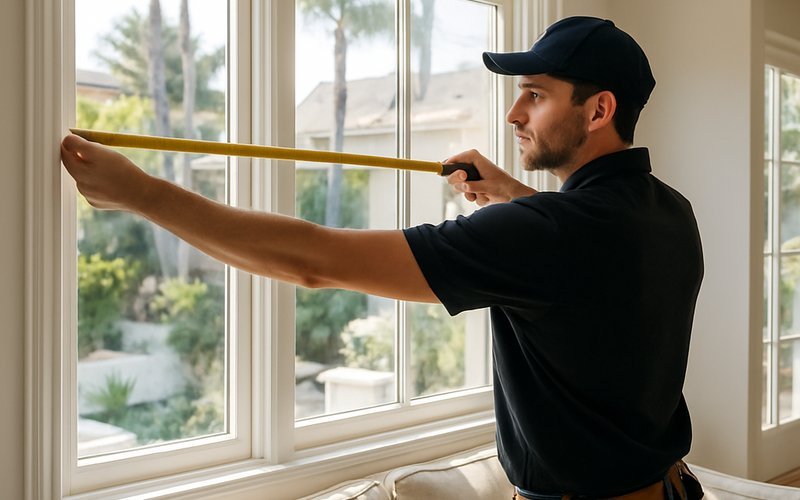
Smartglass solutions in Los Angeles cost between $25 and $85 per square foot installed, with the range driven almost entirely by product type and project complexity. Smart film sits at the lower end. Smart glass (factory units with installation) sits at the top.
| Product | Material Cost (per sq ft) | Installation (per sq ft) | Total Installed Range | Typical Project Total |
|---|---|---|---|---|
| Smart Film (PDLC) | $12–$22 | $8–$18 | $25–$40/sq ft | $2,500–$12,000 |
| Smart Glass (PDLC laminated unit) | $35–$55 | $15–$30 | $50–$85/sq ft | $8,000–$60,000+ |
| LED Film | $28–$50 | $10–$20 | $38–$70/sq ft | $5,000–$40,000 |
Your biggest cost variable in Los Angeles isn’t the product itself. It’s access. High-rise installations in Downtown LA or Century City require lifts, union labor in some buildings, and coordination with building management. That can add $5–$15 per square foot to any estimate versus a ground-floor residential install.
Control systems also add cost. A basic wall switch is included in most quotes. Lutron or Crestron integration for smart home systems adds $800–$3,500 depending on the number of zones and the control brand. That’s worth knowing before you budget.
Honestly, most contractors will quote smart film projects at a flat per-square-foot rate without separating labor and material. Ask them to break it out. It tells you whether you’re getting a fair materials price or getting squeezed on labor. Want an accurate number for your specific project? Request a site-specific quote here.
Smart Film vs. Smart Glass vs. LED Film: Which One Fits Your LA Property?
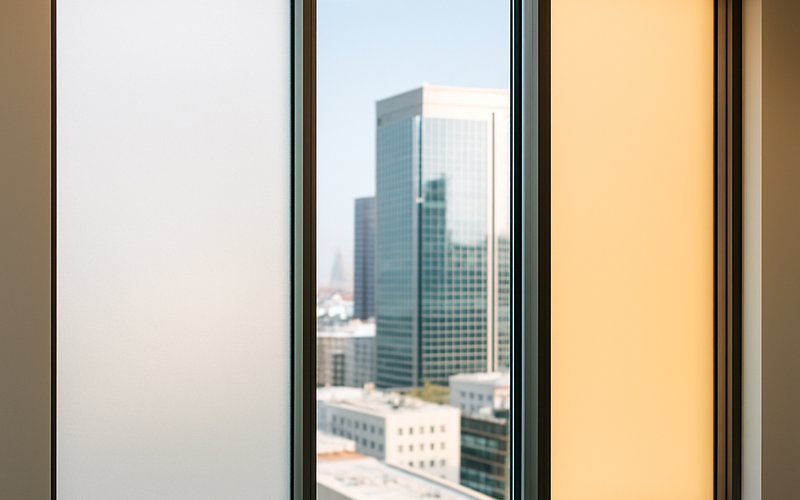
The right product depends on two things: what’s already installed at your property, and what you’re trying to solve. These aren’t interchangeable options.
Smart Film: The Retrofit Choice
If you have existing windows you’re not replacing, smart film is the answer. You don’t need a general contractor. Installation is typically completed in one day for a standard residential project. The film bonds to the interior glass surface with optically clear adhesive. It’s reversible, which matters for renters and tenants in commercial leases who can’t permanently alter the space. For similar projects in neighboring Southern California markets, our smart film services in Anaheim illustrate exactly what a typical residential retrofit job looks like from quote to completion.
Smart Glass: The Full-Replacement Premium Option
Smart glass makes sense when you’re already replacing windows, building new, or doing a full renovation. Don’t spend money replacing perfectly good glass just to get the technology. But if your windows are aging, single-pane, or part of a commercial buildout, smart glass delivers better insulation, better optics, and a cleaner finished look. LA architects specifying new commercial interiors almost always go this route.
LED Film: Display First, Privacy Second
LED film is genuinely different from the other two. It’s not frosted when off. It’s transparent. It becomes a display when powered on. So if you’re a retailer on Sunset Boulevard who wants to run video on your storefront glass, LED film is your product. If you want switchable privacy in a conference room, it’s the wrong tool. Don’t let a contractor sell you LED film for a privacy application.
Which Los Angeles Neighborhoods Are Installing Smartglass Solutions Most?
Adoption in Los Angeles isn’t uniform. It clusters around property types and price points.
Silver Lake has seen significant residential smart film adoption over the last two years. The neighborhood’s mix of mid-century modern homes with large glass walls makes it a natural fit. Homeowners there are typically retrofitting existing sliding glass doors and clerestory windows with smart film to control light and street visibility without altering the original architectural character.
Culver City is where commercial adoption is strongest. The tech and media campus buildout along Washington Boulevard has driven demand for switchable glass partitions, conference room privacy walls, and open-plan office dividers. Several post-production studios have installed full smart glass partition systems to create flexible spaces that convert from open to private in seconds.
Century City and the adjacent high-rise corridor are where smart glass (not film) dominates. New tower developments and full-floor commercial tenants are specifying factory-built smart glass units as part of tenant improvement packages. These are six-figure commercial projects with long lead times and detailed engineering drawings.
And then there’s the residential hillside market. Homes in the hills above Hollywood and along Mulholland Drive often have massive glass facades for the views. Smart film is the go-to solution there because the glass is oversized, curved in some cases, and expensive to replace. Retrofitting with film is the only realistic option for most owners. For a full breakdown of how smart glass works across different LA property types, that guide goes deeper on application-specific recommendations.
What Does a Real Smartglass Installation Project Look Like in Los Angeles?
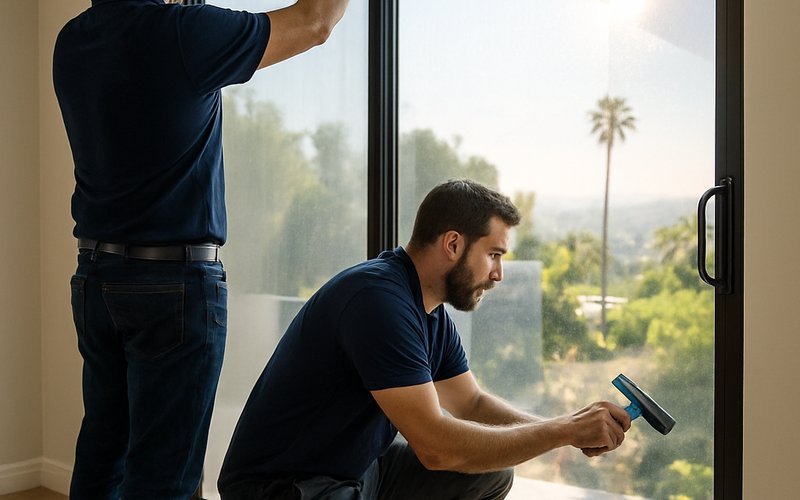
A homeowner in Silver Lake recently retrofitted four large sliding glass doors and two clerestory windows with PDLC smart film, covering approximately 320 square feet of glass. Total installed cost came to $9,800, including a two-zone Lutron control system and a single-day installation by a two-person crew. The home is a 1960s post-and-beam with original single-pane glass that the owner didn’t want to replace for aesthetic reasons. Smart film solved the privacy problem without touching the architecture.
On the commercial side, a Culver City production company converted two conference rooms using smart glass partitions. The project covered 580 square feet of floor-to-ceiling glass walls. Cost: $41,000, including full demolition of existing drywall partitions, custom glass unit fabrication, electrical rough-in, and a Crestron integration tied to the building’s existing automation system. Lead time was eight weeks from signed contract to completed installation.
Both projects required an electrician for the low-voltage wiring, which is a separate line item most first-time buyers don’t account for. Budget $400–$1,200 for electrical work on a residential project and $1,500–$4,000 on a commercial one, depending on panel proximity and the number of circuits needed.
Do LA Building Codes or HOAs Affect Your Smartglass Installation?
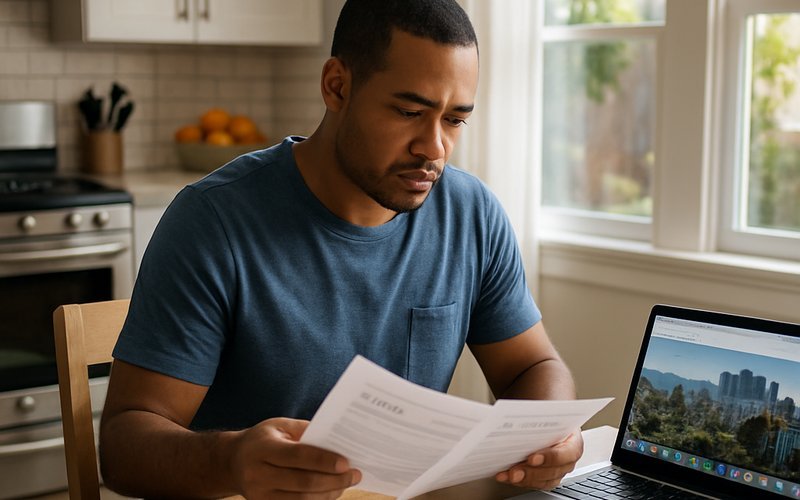
In most residential smart film installations in Los Angeles, no building permit is required. Smart film is a surface applied to existing glass and connected to low-voltage power. The Los Angeles Department of Building and Safety (LADBS) classifies this similarly to a window film or surface treatment, which doesn’t trigger a building permit under most circumstances.
Smart glass is different. Because it involves replacing a window or glass unit, it typically does require a permit through LADBS and must comply with California’s Title 24 energy code, which governs fenestration performance. If you’re replacing glass in a commercial space, your contractor will need to pull a permit and possibly submit engineering documentation showing the new glass meets solar heat gain and U-factor requirements for LA’s climate zone.
HOAs are their own complexity. Many high-rise residential buildings in Los Angeles restrict alterations visible from the exterior. Smart film, installed on the interior surface of existing glass, is often approved because it doesn’t change the exterior appearance. But get written HOA approval before you sign any contract. Some buildings also require insurance certificates from contractors before any work begins.
LED film installations on commercial storefronts may require a sign permit from the City of Los Angeles Bureau of Street Services or the Planning Department if the display is visible from a public right-of-way. Check with your contractor or directly with LADBS at their public counter before proceeding.
How Do You Find a Qualified Smartglass Solutions Provider in Los Angeles?
Finding a qualified smartglass solutions installer in Los Angeles means looking for a specific combination of license type, product knowledge, and local project history. Not every window film company can install smart film correctly, and not every glass company has experience with the electrical integration side.
In California, smart film and smart glass installation typically requires a C-17 (glazing) contractor’s license for the glass work and may require a C-10 (electrical) license for wiring the control system. Some companies hold both. Others subcontract the electrical portion. Either approach is fine as long as both licenses are valid and current with the California Contractors State License Board (CSLB).
- Verify the contractor’s CSLB license number at cslb.ca.gov before signing anything
- Ask for at least two completed local project references, not just portfolio photos
- Confirm which control systems they’re certified to install (Lutron, Crestron, or proprietary app-based)
- Get a written quote that separates materials, labor, electrical, and control system costs
- Ask whether the film or glass carries a manufacturer warranty separate from the installation warranty
Honest note: the smartglass market in Los Angeles includes a handful of excellent specialists and a larger number of general window film companies that have added “smart film” to their service list without the electrical or integration training to back it up. The cheapest quote almost always reflects that skills gap. Understanding who actually manufactures and installs these systems in Los Angeles helps you ask the right questions before you hire.
Next Steps for Los Angeles Homeowners and Businesses Ready to Move Forward
If you’ve read this far, you’re past the research stage. You know which product category fits your property, you have a realistic cost range in mind, and you understand the permitting basics that apply in Los Angeles. The next step is a site visit from a qualified installer who can measure your glass, confirm the product recommendation, and give you a firm quote.
Before that visit, write down your priorities. Is this about privacy? Heat control? A commercial display? Privacy and heat are best solved by smart film or smart glass. Display is LED film. Knowing that going in keeps the conversation focused and prevents you from being upsold on a product that doesn’t fit your actual problem.
For a deeper look at how California energy rebates may apply to your smart glass project in 2026, that guide covers Southern California Edison’s current incentive programs and how to document your installation for rebate eligibility. It’s worth reading before you finalize your budget.
Pacific Smart Glass serves Los Angeles with licensed installation, manufacturer-direct pricing on smart film, smart glass, and LED film, and a track record of completed projects across residential and commercial properties throughout the city. Contact the team today for a free, no-pressure estimate and get a real number for your specific windows.