
A privacy upgrade can feel straightforward until the quote stage turns it into a real budgeting decision. A glass office front, bathroom panel, clinic partition, or entry sidelight may all be asking for the same end result, but the installed price can shift quickly once we determine whether you’re retrofitting existing glass with smart film or replacing the glass with a laminated PDLC privacy unit.
That is the first thing I want to clarify: privacy glass installation is not one flat-cost product. In most projects, the biggest pricing driver is the product path itself, followed by panel size, quantity, wiring access, controls, fabrication needs, and how difficult the site is to work in. If you understand those variables early, you are far less likely to underbudget or choose the wrong solution before drawings and electrical coordination are finalized.
If you’re still deciding between retrofitting existing glass or specifying a full PDLC glass unit, PacificSmartGlass can help you explore the right privacy-on-demand solution for your space.
- Retrofit or replacement: applied smart film on existing glass usually budgets differently than fully fabricated laminated PDLC glass.
- Glass size and count: larger panels and multiple lites affect both material and installation scope.
- Power access: nearby electrical access is simpler than concealed wiring added after finishes are complete.
- Controls: wall switches, remotes, and integrated control preferences can change scope.
- Customization: special shapes, exposed edges, hardware cutouts, and architectural detailing add complexity.
- Site conditions: occupied spaces, limited access, and finish protection can add labor and coordination.
For budgeting purposes, I always separate the conversation into two buckets: the privacy product itself and the real-world installation around it. Readers often focus on the glass or film price first, but labor, electrical coordination, fabrication decisions, and access conditions are what turn a rough number into an actual project cost.
What “privacy glass” means in this kind of project
In plain terms, privacy glass uses switchable technology to change from clear to opaque on demand. At PacificSmartGlass, that usually means one of two paths: laminated PDLC switchable glass, or smart film applied to existing glass. Both can create the privacy effect people want, but they are not interchangeable just because the visual result sounds similar.
Laminated PDLC glass is a full glass product. The switchable layer is built into the assembly, which generally gives the installation a more integrated, permanent appearance. This is often the stronger choice when finish quality, exposed edges, long-term appearance, and a cleaner architectural result matter.
Smart film, by contrast, is typically used when an existing glass panel is staying in place and the goal is to add privacy with less disruption. That can make it appealing for retrofits, especially in Southern California offices, homes, and commercial interiors where owners want to upgrade glass without rebuilding the whole opening.
What actually changes the installed cost
The clearest way to think about pricing is to stop asking for a single average and instead ask what kind of job you really have. A small interior retrofit on existing glass with straightforward power access is a very different installation from a custom laminated privacy glass wall that needs fabrication, coordination with glaziers, and concealed electrical planning.
Material scope is the first layer. Laminated PDLC glass generally carries a higher upfront product cost because you are purchasing a fabricated glass unit rather than an applied film. That often makes sense when the design calls for a premium finished look, custom dimensions, or a permanent installation integrated into new construction or a major remodel.
Installation labor is the second layer. Retrofit film can reduce demolition and glazing work if the existing glass is suitable, but that does not mean the install is automatically simple. Surface condition, access to the glass, edge detailing, and power routing still matter. Film can be the lower-disruption path, but poor site conditions can erase some of the savings people assume they will get.
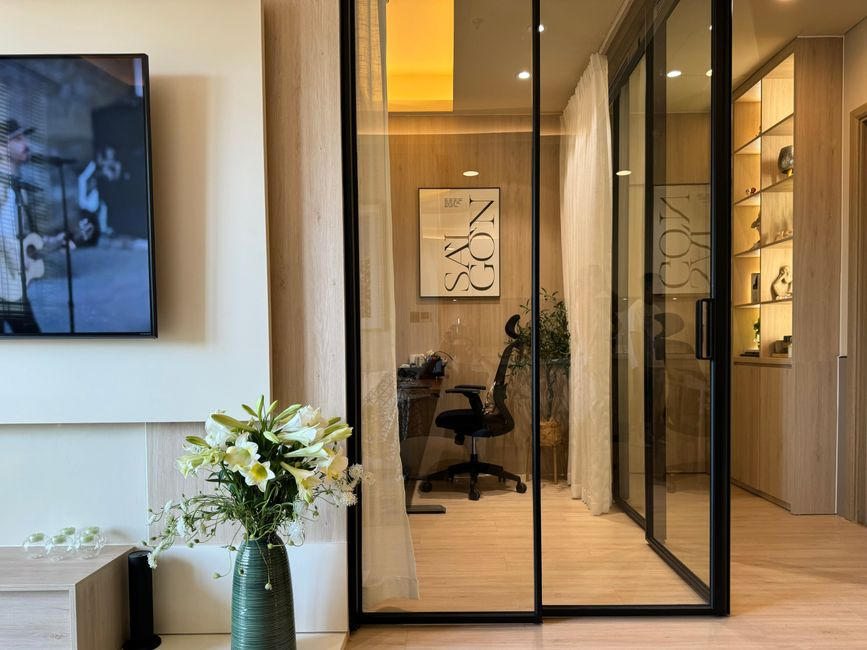
Electrical coordination is often where budgets drift. Privacy glass and smart film need power, and the ease or difficulty of getting that power where it belongs has a real effect on cost. If the wiring route is known early and the electrician can coordinate before finishes are complete, the job is usually cleaner than trying to solve power late in the process.
Customization and fabrication also change the number. Standard rectangular panels are one thing. Openings with special dimensions, edge exposure, hardware preparation, framing constraints, or integration into a larger glass system create more moving parts. That is especially true on architectural projects where the privacy feature has to work with the design rather than look added on afterward.
Quantity can work in both directions. More panels increase material and labor totals, but repeated units may improve efficiency compared with a one-off custom installation. A single statement panel may look simple, yet still require site-specific setup that makes it less economical than expected on a per-panel basis.
Site conditions matter more than many people expect. Occupied offices, healthcare environments, high-end residential interiors, and hospitality spaces often require tighter scheduling, finish protection, access planning, and cleaner execution. Those realities are not “extra” in a practical sense; they are part of what installation really costs.
When retrofit film is sensible and when laminated PDLC glass earns the higher spend
If the main goal is to upgrade existing interior glass without replacing the panel, smart film is often the sensible starting point. I usually point readers in that direction when the current glass is staying, the opening is already built, construction disruption needs to stay low, and the finish expectations are good but not ultra-architectural. It can be a practical answer for conference rooms, interior partitions, and certain residential retrofits where preserving the existing glass saves scope.
Laminated PDLC privacy glass becomes the smarter investment when the glass itself is part of the design outcome, not just the privacy effect. If the edges will remain visible, if the space is design-forward, if long-term appearance is a major priority, or if the project is already replacing or specifying glass, the cleaner integrated build of laminated glass usually justifies the higher upfront budget.
This is where I encourage people not to confuse “less expensive today” with “better value for the application.” A retrofit path can be exactly right in the proper conditions. But if you already know the project demands a polished, permanent finish, choosing film simply because it looks cheaper at first glance can create disappointment later. In premium residential and commercial settings, laminated privacy glass often provides the more convincing finished result.
How I frame the decision
- Choose retrofit smart film when existing glass is staying and minimizing disruption matters most.
- Choose laminated PDLC glass when the glass assembly itself needs to look intentional, permanent, and architecturally finished.
- Lean toward film for retrofit-heavy interiors where access is good and the substrate is suitable.
- Lean toward laminated glass for new builds, major remodels, exposed-edge applications, and premium design environments.
How installation plays out before the order is placed
The best privacy glass projects are scoped early. In our work, that means looking at dimensions, photos, existing conditions, power location, control preferences, and whether the project is retrofit or full replacement before anyone treats the product choice as finalized. That early review prevents a lot of expensive assumptions.
For retrofit film, we need to verify the existing glass condition and whether the installation environment is appropriate. We also need a clean plan for wiring and transformer placement. On paper, this can sound minimal, but in real spaces it may involve trim details, adjacent finishes, frame conditions, and the question of how visible the final power path will be.
For laminated PDLC glass, the process usually moves deeper into fabrication and coordination. Once dimensions, glass specifications, hardware needs, and electrical details are defined, lead times and installation sequencing become more important. If the job involves a GC, architect, millwork, or other trades, getting those relationships organized early is part of protecting the budget.
This is exactly why I tell clients not to wait until drawings are approved or glass is already ordered to ask the film-versus-glass question. By that point, changing direction can trigger redesign, change orders, or awkward compromises in wiring and finish quality.
What makes sense in different kinds of spaces
In homes, the right answer depends heavily on whether the glass is existing and how visible the installation will be. A bathroom window, closet panel, bedroom divider, or entry sidelight may work well with retrofit film if the glass is already in place and the project needs to stay efficient. But in custom homes or high-design remodels, where the glazing is part of the visual statement, laminated PDLC glass often feels more at home.
In offices, conference rooms are one of the clearest retrofit cases. Many companies already have glass fronts or partitions and want privacy on demand without rebuilding the room. Smart film can be a very practical path there. At the same time, executive spaces, client-facing boardrooms, and newly built office interiors often benefit from the cleaner look of purpose-built privacy glass.
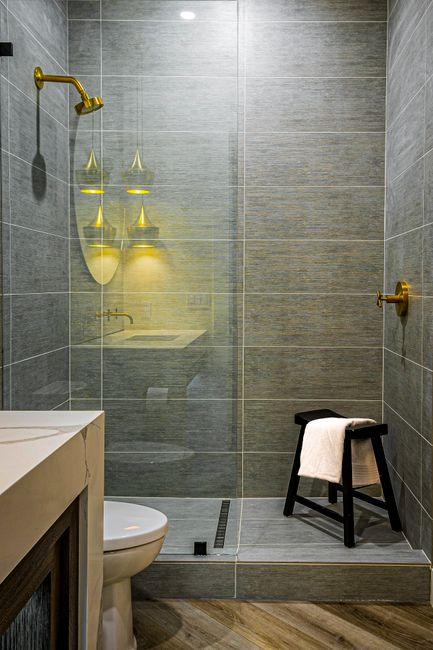
In healthcare, hospitality, and other experience-sensitive environments, the decision often shifts toward consistency, appearance, and long-term maintainability. Treatment spaces, patient privacy applications, suites, and amenity areas may justify the more integrated laminated route when visual quality and permanence carry extra weight.
Across Southern California projects, I also see a strong preference for preserving daylight and open sightlines. That is one reason privacy-on-demand solutions are so appealing in the first place. The important part is matching the product path to the project reality, not just the desired effect.
Performance details that are worth checking before you commit
If you are comparing options seriously, do not stop at the privacy effect alone. Ask about visual clarity in the clear state, the look of edges and transitions, how the product will read in the context of the frame, and what the long-term finish quality should look like in the intended environment.
Those details matter because they tend to determine whether the final result feels premium or merely functional. In applications with exposed edges, close-up sightlines, or high design expectations, laminated PDLC glass usually has the advantage. In simpler retrofit scenarios, film can still perform well when the substrate, access, and finish expectations are aligned.
Environmental and project conditions matter too. Interior use, heat exposure, placement, and existing glass limitations can all influence suitability. That is another reason a quick product-price comparison is rarely enough to make the right decision.
Common questions that come up after the first quote conversation
Can existing glass be upgraded, or does it always need to be replaced?
Existing glass can often be upgraded with smart film, but not every panel is an automatic fit. We need to look at the glass condition, access, frame details, and power routing before confirming that retrofit is the right path.
Is smart film always the cheaper option?
It is often the lower-disruption option, and it can reduce scope when existing glass remains in place. But “cheaper” depends on the whole job, including wiring, site conditions, finish expectations, and whether a retrofit compromises the result you actually want.
Does privacy glass need a site visit for accurate pricing?
Not always at the first step. We can usually start with dimensions, photos, project type, and whether the glass already exists. For more accurate pricing, especially on custom or coordination-heavy projects, a site review is often the right move.
How much maintenance should I expect?
Most clients are not taking on unusual daily maintenance. The bigger concern is choosing the right product for the environment and application so the installation looks good and performs the way it should over time.
If you are budgeting a privacy glass project now, the most useful next step is to gather a few basics before reaching out: approximate dimensions, photos of the space, whether the glass is existing or new, the room type, and any known electrical constraints. Once we have that, PacificSmartGlass can help you narrow the right path quickly and tell you whether a retrofit film approach is practical or whether laminated PDLC privacy glass is the better long-term investment for the space.
Whether your project is a retrofit with smart film or a premium laminated PDLC installation, PacificSmartGlass can help you move forward with the right product for your layout, finish expectations, and budget.