
In a Los Angeles winter, a glass-wrapped room can feel exactly right: bright, open, warm in the best way, connected to the yard or the street, with daylight doing half the design work for you. Then late summer arrives, the same glass starts throwing glare across screens and countertops, the room heats up by afternoon, and someone reaches for shades that stay closed longer than anyone planned. The view is still valuable. The daylight is still valuable. The real design question is how to keep both without surrendering the space to heat, glare, or permanent privacy coverings.
Plan Smart Glass Early
Not sure which LA spaces need smart glass most?
Pacific Smart Glass helps homeowners, architects, and commercial teams evaluate orientation, privacy needs, glare issues, and project timing before design decisions get locked in.
We work with Southern California homeowners, architects, builders, office planners, and commercial teams who are trying to solve a very local problem: how to enjoy California sun year round without making a room less usable when conditions change. In Los Angeles, that usually means preserving bright winter light, softening harsh summer exposure, and adding privacy only when it is actually needed.
That makes smart glass more than a privacy feature. In the right place, it becomes part of the architectural strategy. Instead of covering up beautiful glazing with blinds, curtains, or static frosting, we can help design a space that stays open, daylight-rich, and flexible across seasons.
Why Los Angeles changes the conversation
Generic window advice tends to flatten every climate into the same set of priorities. Los Angeles does not behave that way. Our projects often want more daylight, more openness, and more indoor-outdoor connection than a colder or cloudier market would prioritize. At the same time, that sunlight is not neutral. A bright January afternoon can make a room feel alive. A late August west exposure can make that same room feel hot, reflective, and hard to use.
That tension shows up in both homes and commercial buildings. In a residence, it might be a living room that looks incredible until the TV becomes unwatchable at 4 p.m. In an office, it might be a conference room with beautiful glass that creates screen glare and privacy problems before every meeting. In a clinic, it might be the need to keep spaces bright and calming without leaving patients exposed. In all of those cases, the goal is not less glass. The goal is glass that works harder.
What smart glass is really doing in a California project
When we specify smart glass well, we are not just adding a switchable effect. We are preserving useful daylight while giving the space a way to respond. That response may be privacy on demand, but in Los Angeles it is just as often about keeping a room visually open without living with the downsides of uncovered glass all day.
In practical terms, smart glass helps a project hold onto views, brightness, and clean sightlines while reducing the need for permanent coverings. That matters in California homes where people want a kitchen, great room, patio enclosure, or pool house to feel connected rather than boxed in. It matters in commercial interiors where a lobby, meeting room, or glass-front office should feel transparent and modern until privacy, glare control, or light diffusion becomes necessary.
The biggest mental shift is this: smart glass should be treated as an active design tool, not a last-minute add-on after the windows are already causing problems.
Think by orientation, not just by room
One of the most useful early conversations we have is about solar orientation. Not every piece of glass in Los Angeles has the same job, and treating all windows the same usually leads to overcorrecting in one area and underperforming in another.
North-facing glass
North-facing glazing is often the easiest to live with because it tends to deliver steadier, softer light. In many homes and commercial spaces, this is where the design priority leans less toward harsh heat control and more toward preserving openness while adding privacy when needed. Interior partitions, street-adjacent meeting spaces, and bathrooms can benefit here because the light is useful and the privacy need may change hour by hour.
South-facing glass
South-facing areas often carry a year-round daylight advantage in Los Angeles. That can be a gift in winter, especially in spaces that want to stay bright without artificial lighting doing all the work. But depending on overhangs, exposure, and room use, south-facing glass can still create intensity that needs managing. In these zones, we often think about how to keep the daylight benefit while giving the space a way to soften brightness and maintain comfort without defaulting to drawn shades.
East-facing glass
East-facing rooms usually greet the day well, but morning intensity can matter in bedrooms, breakfast areas, and workspaces where screen visibility and comfort are part of the experience. Smart glass here is often less about all-day privacy and more about tuning how the room behaves at specific times, especially when the glass also faces neighbors or the street.
West-facing glass
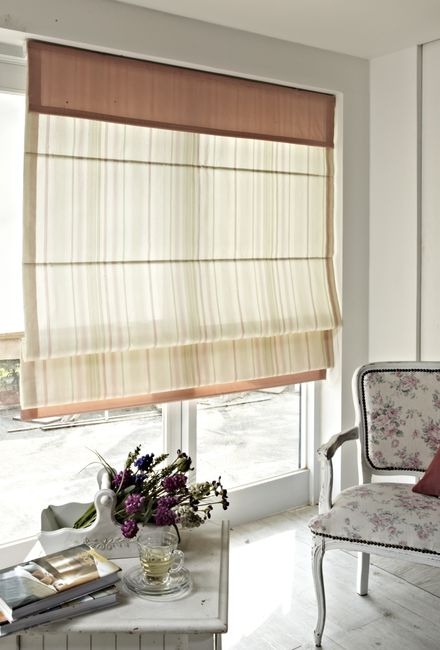
West-facing glazing is where many Los Angeles frustrations become obvious. This is the classic late-day heat and glare problem, but we try not to reduce it to a summer complaint alone. West-facing rooms are often the ones people love architecturally and struggle with operationally. They capture views, sunsets, and dramatic light, but they can also produce washed-out screens, overheated seating areas, and a reflex to shut the room down just when you want to use it. In these spaces, smart glass can be especially valuable because it helps preserve the openness that made the design attractive in the first place.
Where this works in real Los Angeles spaces
Living rooms and great rooms
In LA homes, large living spaces are often designed around daylight and connection to the yard, pool, or view. That is exactly where the usual fixes can feel most disappointing. Heavy coverings undermine the openness, and static frosted treatments remove the very transparency the architecture was built around. We often see smart glass make the most sense where the space needs to stay bright in winter and still usable during harsh summer afternoons, especially with broad sliding systems, clerestories, or glass partitions near high-sun exposures.
Bathrooms and street-facing residential fronts
Bathrooms, entry sidelights, and front-facing residential glass have a different challenge. Here, the issue is often privacy at changing times of day rather than pure heat gain. In Los Angeles neighborhoods where homes sit closer together or where modern designs use larger glass areas toward the street, smart glass lets the architecture remain clean and sunlit without asking the homeowner to commit to all-day obscured glass.
Skylights, stairwells, and bright transition zones
Some of the strongest California light arrives from above or through circulation zones that seem secondary on paper but shape the feel of the whole home. Skylights, upper stair landings, and light wells can create beautiful winter brightness, yet become visually intense in warmer months. These are places where early smart-glass planning can preserve the quality of natural light while making the brightness more manageable over the course of the year.
ADUs, patio enclosures, and pool houses
These smaller structures are often where clients most want flexibility. An ADU may need privacy for guests or tenants without losing daylight. A patio enclosure may need to feel open on a mild day and more protected when sun exposure peaks. A pool house may want a sleek all-glass look without exposing every interior function. In Southern California, these spaces are used across seasons, so flexibility matters more than a one-setting solution.
Conference rooms and glass-front offices
Commercial teams in Los Angeles often want transparency because it makes a workplace feel current, bright, and collaborative. Then the real life of the office begins: confidential meetings, presentations, screen glare, and people improvising privacy with film, paper, or blinds. Smart glass solves that tension elegantly when it is planned early. The room can stay visually open most of the time and switch the moment privacy or better light diffusion is needed.
Lobbies and storefront-adjacent interiors
In high-visibility commercial spaces, daylight and openness are part of the brand experience. But adjacent interiors near storefront glass can become difficult to use if glare dominates certain hours or if occupants feel exposed after dark. We often help clients think through where transparency should stay constant and where switchable privacy or diffusion supports comfort without making the space feel closed off.
Clinics and consultation rooms
Healthcare and professional settings have their own version of the LA daylight problem. Bright, open interiors can help a space feel calmer and less institutional, but privacy can never be optional. Smart glass works well here because it allows rooms to feel lighter and more welcoming while still responding instantly when confidentiality matters. That is especially useful in consultation spaces, exam-adjacent rooms, and interior glass partitions that need to support both comfort and discretion.
Choose the right path early
The earlier smart glass enters the design conversation, the better the result usually is. We say that not because every project needs the most custom path, but because timing affects wiring, framing, glass specification, finish quality, and how naturally the system fits into the architecture. Waiting too long often forces compromises that could have been avoided with a simple early review.
In broad terms, there are usually two main paths: laminated smart glass and retrofit smart film. Both can be excellent, but they suit different conditions.
- Laminated smart glass is often the stronger fit for new construction, major remodels, and projects where the glazing is already being replaced. It tends to make the most sense when teams want a cleaner integrated result and can coordinate electrical and framing details early.
- Retrofit smart film is often practical when the existing glass should remain in place and the goal is to upgrade a finished space with less disruption. This can be especially useful in remodels, tenant improvements, and certain commercial interiors where the pain point is already obvious.
- Custom fabrication becomes important when dimensions, hardware prep, exposed edges, specialty openings, or design intent push the project beyond standard conditions.
For a Los Angeles home trying to balance seasonal comfort and openness, laminated smart glass may be the right call if the glazing package is still being designed. For an office with an existing conference room wall that needs better privacy and usability now, retrofit film may be the smarter move. The point is not to force one answer. It is to match the product path to the stage and logic of the project.
Retrofit is often possible, but coordination still matters
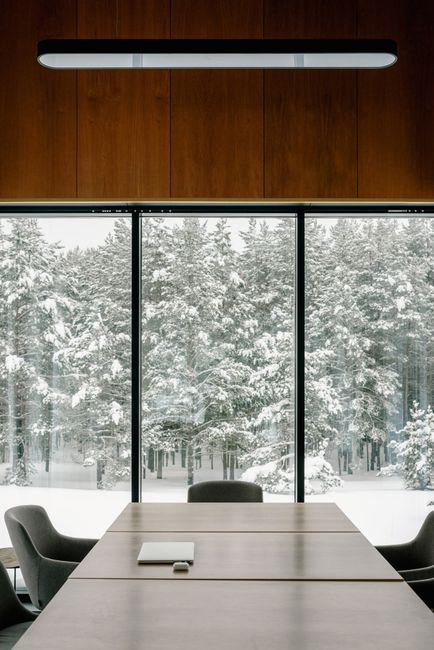
Many people assume smart glass only belongs in brand-new luxury builds. In our experience, that is too narrow. A lot of LA remodels and tenant improvements can incorporate smart solutions successfully, especially when the existing pain points are already clear: afternoon glare, overheated rooms, glass-walled offices with no privacy, or static frosting that now feels too limiting.
That said, retrofit does not mean casual. Glass type, access to power, control locations, trim conditions, and finish expectations all matter. On larger residential and commercial projects, glazing choices should also be coordinated with the architect, builder, electrician, and any permit or compliance documentation early enough that the decision supports the whole project instead of colliding with it later. In California, that kind of coordination is simply part of designing responsibly.
Common planning questions
Can smart glass help with summer glare if I still want winter daylight?
Yes, and that is one of the most compelling reasons to plan it in Los Angeles. The goal is not to reject sunlight. The goal is to keep the valuable qualities of daylight and views while giving the space a way to respond when the same glass becomes uncomfortable or visually disruptive.
Is this only for luxury homes?
No. We see real value in high-design homes, but also in practical remodels, ADUs, offices, clinics, and conference rooms where glass already plays a big role and the current solution is not flexible enough.
How do I know whether I need laminated smart glass or retrofit smart film?
The biggest clues are project stage and existing conditions. If the glass is being replaced or the design is still open, laminated smart glass may be the better architectural fit. If the glass is staying and the need is to upgrade an existing space, retrofit film may be more practical. We usually help clients sort that out early by reviewing layout, use case, and installation constraints.
Does smart glass make sense in commercial buildings as well as homes?
Absolutely. In fact, some of the clearest use cases are commercial: conference rooms, glass offices, lobbies, clinics, consultation rooms, and storefront-adjacent spaces where glare, privacy, and openness all matter at once.
When should we bring a smart-glass specialist into the project?
Earlier than most teams expect. The best moment is before glazing, wiring paths, framing details, and finish decisions are locked in. That gives us room to recommend the right system, coordinate with the rest of the project team, and avoid turning a clean design idea into a late-stage workaround.
When to bring Pacific Smart Glass into the plan
If you already know a room gets too hot in late afternoon, if you are designing around winter daylight you do not want to lose, or if the project depends on privacy without shutting down the architecture, that is usually the moment to involve us. We can help review orientation, room use, glass conditions, and project stage before the decisions around glazing and electrical coordination become harder to change.
For Los Angeles homes and commercial buildings, the best results usually come when smart glass is treated as part of the design logic from the start. That is how we help clients enjoy California sun year round: keep the brightness, protect the usability of the space, and avoid covering up the very glass that made the design appealing in the first place.
Ready to plan smart glass for your Los Angeles project?
Whether you need laminated smart glass for new construction or retrofit smart film for an existing space, Pacific Smart Glass can help you choose the right path for comfort, privacy, and year-round daylight performance.