
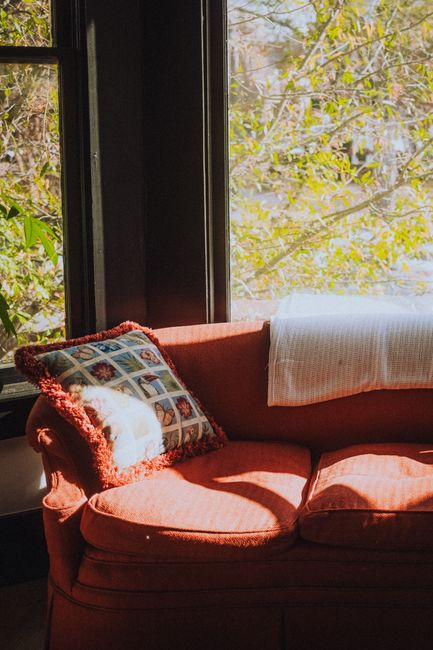
Late afternoon hits a west-facing room differently in summer. The light still looks beautiful, but the sofa fabric feels warm to the touch, the TV screen starts to wash out, the AC runs longer, and pulling the blinds solves one problem by creating another: suddenly the room feels closed off. I see homeowners run into this exact frustration all the time, and it usually leads to the real question hiding underneath it all—what if the issue is not too much glass, but the wrong kind of glass for summer?
That question matters because summer discomfort in a house is rarely just about temperature. It is about glare that makes a living room hard to use, bedrooms that heat up before sunset, bathrooms that need privacy without losing daylight, and home offices where bright light and screen reflection fight each other all day. When people start looking into energy efficient glass, they are usually trying to fix all of those issues at once, even if they only describe it as “this room gets too hot.”
In plain English, glass affects how much solar heat enters a room, how intense the light feels, how visible the outside remains, and how much privacy you have once the sun shifts. That is why two rooms with similar square footage can feel completely different in July if one has better glazing or more controllable glass.
Some glass solutions are passive. They work all the time to reduce heat gain or soften solar intensity, which can be a great fit when the main problem is simply keeping a room cooler. Other solutions are more dynamic. They let you respond to changing conditions throughout the day, which becomes much more valuable when a room needs cooling help and privacy and glare control without losing its open feel.
This is also where many homeowners get tripped up: darker is not automatically better. A room can feel dimmer without necessarily solving the full comfort problem, and a heavily shaded window can protect from glare while making the house feel less inviting. In summer, the goal is usually balance, not just reduction.
The main paths homeowners usually compare
When we talk with homeowners about summer comfort, the options usually fall into three broad categories. First, there is passive energy-efficient glass, including low-E and other insulating or solar-control glazing approaches. Second, there are darker or tinted solutions that reduce brightness and sun intensity more visibly. Third, there is smart glass or smart film, which adds the ability to switch privacy and manage room feel more actively.
Each path can help, but they do not help in the same way. Passive glass is often the cleanest answer if heat control is the main issue and privacy is already handled elsewhere. Tinted approaches can cut brightness fast, but they can also permanently alter daylight and views. Smart glass tends to make the most sense when a homeowner does not want a room locked into one setting all day—especially in houses where the same window needs to support light, comfort, privacy, and aesthetics at different times.
What passive energy-efficient glass does well
Standard energy-efficient glass is often the first place to look for a reason: it can reduce solar heat gain while still allowing a room to stay bright. In many homes, that is enough to make a noticeable difference during summer, especially in sun-exposed areas where the problem is ongoing warmth rather than a constant privacy issue.
I think of this as the “always on” solution. You are improving the envelope of the house itself, not adding a daily habit. That can be ideal for homeowners who want a quieter upgrade—less heat buildup, more stable indoor comfort, and fewer moments where the AC seems to be fighting the windows.
The tradeoff is that passive efficiency is still passive. It cannot suddenly create privacy in a bathroom, shield a street-facing bedroom when lighting conditions change, or shift the room experience when glare becomes annoying at one specific hour. If your summer problem is mostly thermal, passive energy-efficient glass can be a smart and sufficient answer. If your problem is thermal plus visual plus privacy-related, it may only solve part of the picture.
Where tinted or darker approaches help—and where they can disappoint
Tinted glass, darker solar-control glass, and some films appeal to homeowners because the result feels intuitive: less brightness should mean less heat and less glare. Sometimes that is directionally true. In very intense sun, darker glass can make a room feel calmer right away.
But summer comfort is not only about turning the volume down on sunlight. It is also about preserving the parts people actually love about their windows. A permanently darker look can flatten daylight, change the tone of a room, and make a house feel less open even when the weather is beautiful outside. That can be a frustrating trade if your original goal was to keep the room usable without hiding from the window.
This is why I caution homeowners not to confuse darkening with control. A static darker solution may reduce some of the summer burden, but it also fixes the room in one mode all day. If the family wants bright natural light in the morning, softer glare in the afternoon, and privacy at night, a permanent tint can start to feel like a compromise rather than a tailored solution.
Why smart glass changes the summer equation
Smart glass stands apart because it is not just another static glazing category. It gives a home something passive products cannot: adaptability. Instead of deciding once and living with the same look and privacy level at every hour, you can shift the glass to match how the room is being used.
That matters more in summer than many people expect. Hot months expose how inconsistent some rooms really are. A living room may need openness and daylight through most of the day, then reduced glare in late afternoon. A bathroom may need full daylight without sheer curtains or blinds. A home office may need clear views one hour and a cleaner, more private working environment the next. Smart glass is compelling because it addresses comfort and privacy together while keeping the architecture visually clean.
At PacificSmartGlass, this is the point we come back to often: homeowners are not always looking for the darkest glass or the most aggressive static filter. Many want a house that feels cooler, calmer, and more flexible without covering their windows. Privacy on demand, switchable comfort, and a more design-forward finish are what make smart glass worth serious consideration when standard energy-efficient upgrades start to feel incomplete.
How the right answer changes from room to room
The west-facing living room
This is the classic summer problem room. It gets beautiful light right until that light becomes punishing. Heat builds late in the day, glare disrupts screens, and blinds tend to become the default fix. If the main complaint is cooling load and general sun exposure, passive energy-efficient glass may be enough. But if the room is also a social space where preserving views and reducing visual clutter matter, smart glass becomes much more attractive because it lets the room stay open without feeling overexposed.
The sunny bathroom
Bathrooms create a different equation. Privacy is not optional, but most homeowners still want daylight. In summer, that room can also become stuffy and bright in an unpleasant way. Traditional coverings often solve privacy while trapping the room in a permanently blocked-off look. This is one of the clearest use cases for smart glass because the value is not just thermal performance; it is the ability to keep natural light while getting privacy exactly when needed.
The street-facing bedroom
Bedrooms deal with both evening heat and changing visibility from outside. During summer, a room can stay warmer longer and still need privacy before full darkness arrives. Passive energy-efficient glass can help moderate temperature, but it does not answer those shifting privacy conditions. If the room needs to feel restful without layered blinds, curtains, and constant adjustment, smart glass offers a cleaner way to manage comfort and seclusion together.
The glass-heavy home office
Home offices expose the difference between brightness and usability. A room can look wonderfully sunlit and still be miserable for focused work because of screen glare, eye fatigue, and uneven heat. A darker static option may tame brightness, but it can also make the office feel dull. This is where controllable glass has a practical edge: the room can adapt to work hours instead of forcing the homeowner to choose between cave mode and distraction.
A simple way to match the solution to the priority
- Main goal: lower summer heat while keeping the room bright. Passive energy-efficient glass is often the best starting direction.
- Main goal: cut harsh brightness at all times, with less concern about altered daylight. Tinted or darker solar-control approaches may help.
- Main goal: balance heat, daylight, glare, privacy, and design flexibility. Smart glass is usually the stronger fit.
- Main goal: keep views and avoid bulky blinds or shades. Smart glass deserves a close look.
- Main goal: solve one specific hot room on a tighter budget. A passive upgrade may be the more practical first move.
The key is not to treat every summer glass upgrade as though it belongs in the same bucket. If you only need better baseline performance, a conventional energy-efficient solution can do the job well. If you need the room to behave differently at different times of day, static solutions begin to show their limits fast.
When standard energy-efficient glass is enough
I would not tell every homeowner to jump straight to smart glass. In plenty of houses, standard energy-efficient glass is the sensible answer. If your concern is mostly cooling efficiency, your privacy needs are already solved, and you are happy with the room’s daylight profile, a passive upgrade can be exactly right.
This tends to be true in rooms where the window is not doing double or triple duty. Maybe you simply want less heat gain in a sunny area, or you are planning a broader envelope improvement and want the glass to contribute to a more comfortable home overall. In those situations, paying for added switching capability may not be necessary.
When smart glass becomes the better upgrade
Smart glass starts to pull ahead when the room has competing needs that static products cannot reconcile well. That usually means the homeowner wants natural light, less summer strain, privacy on demand, cleaner aesthetics, and better control over how the room feels from morning to evening.
That combination is common in real homes. It shows up in primary bathrooms, street-facing bedrooms, offices, entry areas, and open-plan living spaces with large glass surfaces. In those places, “energy efficient” by itself can be too narrow a standard. The better question is whether the glass helps the room stay comfortable and usable and visually open.
From our perspective at PacificSmartGlass, this is where smart glass earns its premium. It is not only about reducing one metric. It is about making the home more livable in summer without relying on layers of coverings that erase the benefits of having glass in the first place.
Important cautions before you decide
There are a few planning realities worth keeping in mind. First, retrofit and new-construction projects are different. Some homeowners are replacing glazing as part of a larger remodel; others want a targeted upgrade for an existing space. The right path depends on the condition of the current installation, the room’s priorities, and how integrated you want the final system to be.
Second, budget matters—but so does the definition of value. If you only measure glass by initial cost, static solutions will often look simpler. If you care about privacy control, aesthetics, smart-home integration, and preserving daylight without permanent coverings, smart glass can make more sense over the long term for the right rooms.
Third, do not assume that making a room darker is the same as making it more comfortable. Summer rooms need better management of heat, glare, and visibility, not just less light. Homes feel best when the solution is matched to how the space actually functions.
Common questions homeowners ask
Does smart glass make a room feel too dark?
Not inherently. One of the biggest reasons homeowners explore smart glass is to avoid the all-or-nothing feeling that comes with closed blinds or permanently dark treatments. The goal is usually to preserve a bright, modern feel while adding control and privacy.
Can smart glass replace blinds in some rooms?
In many cases, yes—especially where the main reason for blinds is privacy or visual clutter rather than blackout sleeping conditions. Bathrooms, offices, and certain street-facing spaces are common examples where homeowners want a cleaner look and fewer layered window treatments.
Is smart glass only worth considering for new construction?
No. It can also make sense in remodels and targeted residential retrofits. The best approach depends on the existing glass, the room layout, and whether the goal is a whole-home strategy or solving a few summer problem areas first.
If my house mainly feels hot in summer, should I start with regular energy-efficient glass?
Often, yes. If heat reduction is the primary issue and privacy is not part of the problem, passive energy-efficient glass may be enough. But if the same room also struggles with glare, visibility, or the constant need to close blinds, that is usually the moment to evaluate whether smart glass would serve the home better.
For homeowners trying to keep summer rooms cool without giving up daylight, the smartest next step is to look honestly at what the room needs all day—not just at its hottest hour. If the answer is simple heat control, conventional energy-efficient glass may do the job. If the answer includes privacy, glare management, cleaner design, and real flexibility, we believe PacificSmartGlass is the more sensible place to start.