
Morning light pours through the glass exactly the way you hoped it would. The room feels open, clean, and modern—until privacy suddenly matters. That is when many people reach for the obvious fix and frost the glass, only to realize later they solved a momentary problem with an all-day barrier. We see this happen in bathrooms, office partitions, and front entries all the time, and it is why this decision is worth making before glass specs, electrical paths, or remodel details get locked in.
The real question is not whether frosted glass is good or whether smart glass sounds more advanced. It is whether the room needs privacy all the time or only at certain moments. If the answer changes throughout the day, the glass should be allowed to change too.
If permanent frosting feels like too much, explore switchable smart glass and smart film options that preserve daylight, views, and a clean modern look.
Frosted glass is the static option. It diffuses visibility full time, which can be exactly right when a space is always meant to stay private. It is simple, familiar, and honest about what it does: once installed, the glass remains obscured.
Switchable smart glass is privacy on demand built into the glass itself. In one mode, the panel is clear. In the other, it turns opaque for privacy. That makes it useful in spaces that need to feel open most of the time but private on cue, without adding blinds or curtains that interrupt the look of the glass.
Smart film fills the retrofit lane. Instead of replacing the entire glass unit, the film is applied to existing glass in many projects where keeping the current panels in place makes more sense. Functionally, it addresses the same core problem as switchable smart glass: you can keep the openness when you want it and create privacy when you need it.
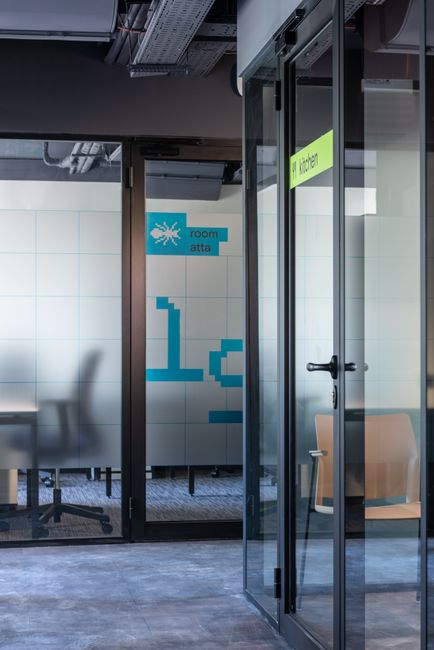
We encourage people to stop thinking about products first and think about room behavior first. Privacy is only one part of the decision. The bigger issue is how the space is supposed to feel and perform over the course of a normal day.
If a room is always private by nature, frosted glass often earns its place. A dedicated bathroom window in a tightly enclosed area, for example, may not need to become clear later. But if the glass helps borrow light, preserve sightlines, make a lobby feel larger, or let a team supervise a space when privacy is not needed, permanent frosting can start to feel like an overcorrection.
That is where switchable glass or smart film becomes more compelling. The value is not just the privacy mode itself. It is the ability to return the panel to clear glass and get the original benefit of glass back again: daylight, visibility, openness, and a more expansive feel.
Installation path matters too. New construction or full replacement projects may be good candidates for integrated smart glass. Remodels and tenant improvements often raise a different question: can we preserve the existing glass and upgrade it instead? In many of those situations, smart film becomes the practical bridge between static privacy and a full glass replacement.
| Criteria | Frosted Glass | Switchable Smart Glass | Smart Film |
|---|---|---|---|
| Privacy mode | Always on | On demand | On demand |
| Openness and views | Permanently reduced | Available when clear | Available when clear |
| Best fit | Always-private zones | Spaces with changing privacy needs | Retrofit projects with changing privacy needs |
| Design feel | Consistently obscured | Flexible, minimal, modern | Flexible while preserving existing glass |
| Project path | Simple static specification | Typically part of glass planning | Often useful when existing glass stays |
| Long-term tradeoff | No return to clear glass | Needs planning, rewards flexibility | Needs planning, rewards retrofit flexibility |
Bathrooms
Bathrooms are where people most often assume frosted glass is the automatic answer. Sometimes it is. If the glass is in a location where privacy is always expected and the room does not lose much by keeping that panel obscured, frosted glass can be the cleanest solution.
But many bathrooms are not just private boxes. In Southern California especially, we see bathrooms designed to feel bright and open, borrowing natural light from an exterior wall, a courtyard, or an adjacent space. In those layouts, static frosting can dim the emotional effect of the room even when the light still comes through. If the goal is to preserve that airy feel while still getting instant privacy at the right times, smart glass or smart film is usually the better long-term fit.
The hidden question is simple: will you ever wish this glass were clear again? If the answer is yes—even occasionally—that points away from permanent frosting.
Office partitions and conference rooms
Office glass needs to do two jobs that often conflict. It helps a workplace feel open, collaborative, and naturally lit. At the same time, meetings, interviews, HR conversations, and client calls need privacy. Frosted glass solves the second problem by sacrificing the first one full time.
That tradeoff can make an office feel visually chopped up, especially when interior glass was chosen to share daylight across the floor. Switchable smart glass makes more sense when transparency is useful most of the day and privacy is situational. A conference room can stay clear and connected, then turn opaque when the meeting starts. That is a very different outcome from accepting permanent visual separation as the price of privacy.
For existing office fronts, smart film is often the practical conversation to have before assuming a full replacement is necessary. It gives teams a way to add privacy on demand without giving up the architecture they already built around glass.
Front doors and sidelights
Entries are tricky because they are doing more than one thing at once. They create curb appeal, pull daylight inside, and help the front of the home or business feel welcoming. They also create exposure at exactly the moments people become most aware of privacy: after dark, during deliveries, or when someone is at the door.
Frosted glass works if you know you never want clear visibility through that panel. It creates a consistent privacy buffer and can be the right call for homeowners who prefer a permanently screened entry feel. But if you like the openness and light that clear glass brings during the day, frosting can remove the very reason the glass was there in the first place.
Privacy-on-demand is strongest in entries that need to feel bright and open without staying exposed around the clock. That is where smart glass or smart film earns its keep: not because it is newer, but because the front entry changes character throughout the day.
Clinic and healthcare-style interiors
In treatment rooms, consult areas, and interior partitions, privacy may need to appear quickly without making the space feel institutional or visually heavy. Frosted glass can be appropriate where separation should remain constant. But in layouts that rely on transparency for supervision, light sharing, or a calmer modern feel, static opacity can make the interior feel more closed than intended.
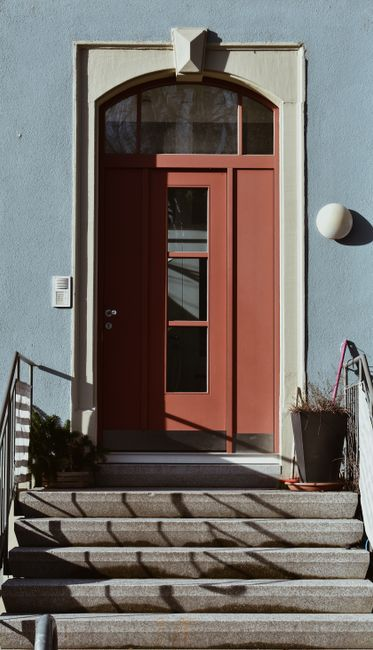
We find that these projects benefit from asking a blunt question early: is the glass there to separate, or is it there to separate only sometimes? When the answer is the latter, switchable privacy tends to align better with how the space actually functions.
The planning details that decide projects early
A lot of these choices stop being flexible once the project gets too far along. If you are still before final glass orders, frame details, or electrical coordination, that is the best moment to compare options honestly. Waiting until after everything is specified can narrow what is practical.
Electrical planning matters for privacy-on-demand systems, which is why early coordination is valuable. That does not mean every project must start from scratch, though. One of the most useful distinctions we make is whether the project is a new glass specification or a retrofit. If you are replacing glass anyway, integrated smart glass may be the clean answer. If the existing glass should stay, smart film may be the more efficient path.
- Choose early if the glass package has not been finalized yet.
- Use frosted glass when the panel is meant to stay private all the time.
- Use smart glass when the project is being designed around new glazing and flexible privacy matters.
- Use smart film when existing glass is staying in place but clear-to-private control would improve the space.
The other planning issue people underestimate is reversibility of experience. Once a panel is frosted, the room permanently lives with that visual filter. If that future feels limiting now, it usually feels even more limiting after move-in.
How we interpret the decision honestly
We do not think frosted glass is the wrong answer by default. In always-private zones, it can be the simpler and more sensible choice. The mistake is using permanent obscurity in spaces that only need privacy some of the time.
That is where PacificSmartGlass tends to be the better fit. When a room needs to shift between open and private, we can help preserve the daylight, sightlines, and modern glass feel that made the design appealing in the first place. Whether that means switchable smart glass for a new specification or smart film for an existing panel, the goal is the same: let the glass behave like the room actually behaves.
Common questions people ask before deciding
Is smart glass harder to maintain than frosted glass?
For most buyers, the bigger difference is not day-to-day cleaning but how the glass functions. Frosted glass is static, so maintenance questions are usually familiar. Smart glass and smart film add a controllable privacy function, which means the more important conversation is proper planning and installation for the space.
What happens when privacy glass is off?
That depends on the specific system and project configuration, so it is best to confirm the intended behavior during planning. The practical takeaway is that you should not treat this as an afterthought. We help clients match the privacy behavior to how they want the room to operate before decisions are finalized.
Can existing glass be upgraded, or do I need to replace it?
Many projects do not need a full glass replacement to gain privacy on demand. If the existing glass is staying in place, smart film may be the right path to explore. If the project already calls for new glazing, switchable smart glass may make more sense as part of the overall specification.
Is smart glass worth it in every room?
No. If a room is always meant to be private, frosted glass may be entirely sufficient. Privacy-on-demand becomes worth serious consideration when the space benefits from being clear at other times—for light, openness, views, supervision, or a less closed-off feel.
How do I know whether to decide now or later in the remodel?
Earlier is better. If you are still choosing glass types, coordinating electrical access, or finalizing drawings, this is the right stage to compare frosted glass, smart glass, and smart film. Once those details are locked, some of the best options can become harder to implement cleanly.
If you are weighing a bathroom, office partition, front entry, or another glass-heavy space and the real issue is flexible privacy rather than permanent obscurity, we recommend getting project-specific guidance before the design is fully locked in. That is where PacificSmartGlass can help you decide whether static frosted glass, switchable smart glass, or retrofit smart film fits the way the room will actually be used.
Whether your project calls for switchable smart glass in new glazing or smart film for existing panels, PacificSmartGlass can help you move from static privacy to a more flexible solution.