
The conference room is five minutes from a sensitive meeting, the glass walls still look great, and then someone notices the obvious problem: everyone in the corridor can see straight in. That is usually the moment an office team realizes the real decision is not whether privacy glass belongs in the space. It is which glass surfaces need which solution before renovation timing, electrical paths, and quotes start pushing the project toward a one-size-fits-all answer.
In most offices, the best privacy glass plan is built zone by zone. We see the strongest results when teams stop treating every pane, door, and partition as the same condition. Some areas are ideal for retrofit smart film on existing glass. Others justify full switchable glass because the room carries more design weight, the glazing is already being replaced, or the details around doors and finishes need a cleaner long-term solution.
Modern offices lean on glass for good reasons. It pulls daylight deeper into the floor plan, keeps interiors feeling open, and helps conference rooms, executive suites, and shared spaces look polished instead of boxed in. But the same transparency that makes an office feel current can work against it once confidential conversations, HR meetings, board reviews, or client discussions enter the picture.
That tension is why privacy glass works so well in workplace settings. It preserves openness when visibility is useful, then changes state when discretion matters. The important planning move is matching the technology to the room’s daily job. A high-traffic conference room does not behave like an executive office, and an interior partition does not raise the same installation questions as client-facing glass near an entry or storefront.
Start with the rooms where privacy has to happen on cue
Conference rooms are usually the clearest priority because the need is immediate and easy to feel. Teams want daylight, sightlines, and a modern look most of the day, but they also need to switch into private mode without pulling shades, interrupting the meeting, or permanently frosting the glass. When a room hosts financial discussions, legal reviews, hiring conversations, or strategy sessions, instant privacy is not a luxury feature. It is part of how the room functions.
In many occupied offices, retrofit PDLC film is enough for conference room glass that is already in place and otherwise in good condition. If the goal is to upgrade an existing room without replacing all the glazing, film can be a practical path. It often makes sense when the team wants faster installation, less disruption, and a way to improve privacy within the footprint they already have.
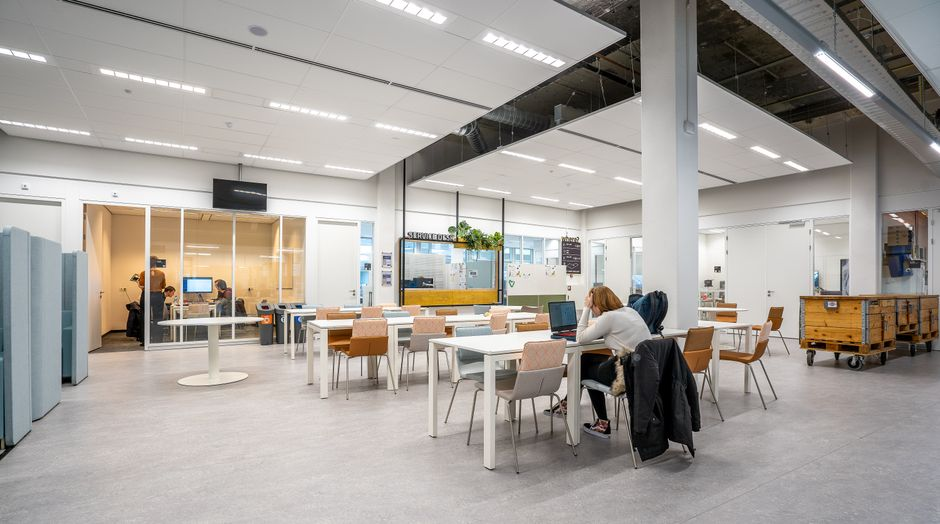
Full switchable glass tends to make more sense when the conference room is part of a larger tenant improvement, when the glass is being replaced anyway, or when the room is a flagship space with higher finish expectations. We often steer teams in this direction when they want the cleanest integrated appearance, need better alignment with new framing or hardware, or are building a boardroom where details matter as much as function.
Executive offices usually raise a different standard
Executive offices often ask for more than simple visual screening. These rooms carry discretion, status, and day-to-day usability at the same time. Leaders may want to stay visually connected to the office for much of the day, then create privacy instantly for personnel conversations, negotiations, or focused work. In these spaces, appearance tends to matter more because the glass is not just a barrier. It is part of the room’s finish language.
If an executive office already has glass sidelites or partitions and the office is not undergoing major glazing work, retrofit film can still be the right move. But when doors are involved, when hardware coordination is more complex, or when the project already includes new glass packages, full switchable glass often becomes the smarter long-term choice. It gives the office a more intentional built-in result, especially where premium detailing matters and the room is expected to represent the company well in front of clients or senior staff.
This is also where teams sometimes make a costly mistake by choosing purely on initial budget. If the office is one of the most visible rooms in the suite and the surrounding work is already invasive, saving the glass replacement decision for later can lead to a compromise that never quite feels finished. We prefer to evaluate these spaces early, before the electrical and glazing paths are locked in.
Interior partitions and flex rooms benefit from selective upgrades
Not every office privacy challenge sits inside a formal conference room. HR rooms, interview spaces, wellness rooms, breakout areas, and flexible meeting zones often need privacy that changes by hour rather than by department. These are the places where a mixed-solution strategy usually proves its value. Instead of replacing every interior partition, a team can target the specific panels that carry the most privacy pressure.
Retrofit smart film is often especially useful here because many of these rooms sit inside an already occupied office. The glass may be structurally fine, the layout may only need a partial refresh, and the goal may be to improve utility without turning a small upgrade into a full reconstruction project. In Southern California offices where downtime matters, phased retrofits can help operations continue while the most important spaces are upgraded first.
That does not mean full switchable glass is off the table for partitions. If a flex space is being reconfigured from scratch, if the room includes new doors, or if the office is aiming for a seamless premium build-out, replacement glass may still be the better path. The key is not to decide by category alone. A single office can reasonably combine both approaches and still feel coherent when the scope is planned well.
Glass near clients and visitors has to balance privacy with presentation
Client-facing glass creates a different kind of pressure. A front office, meeting room near reception, or storefront-adjacent conference area often needs to look open and welcoming most of the time. At the same moment, it may need to shield contracts, presentations, or sensitive discussions from visitors and passersby. This is where privacy glass does more than solve confidentiality. It helps the office control presentation without sacrificing natural light.
In these zones, the decision usually turns on how permanent the surrounding renovation work is. If the office is refreshing an existing suite and wants a cleaner privacy solution than blinds or static frosting, retrofit film can be an efficient way to gain control while preserving the glass wall’s openness. If the area is part of a more complete redesign, especially one tied to brand presentation, new switchable glass may offer the stronger finish and integration the space deserves.
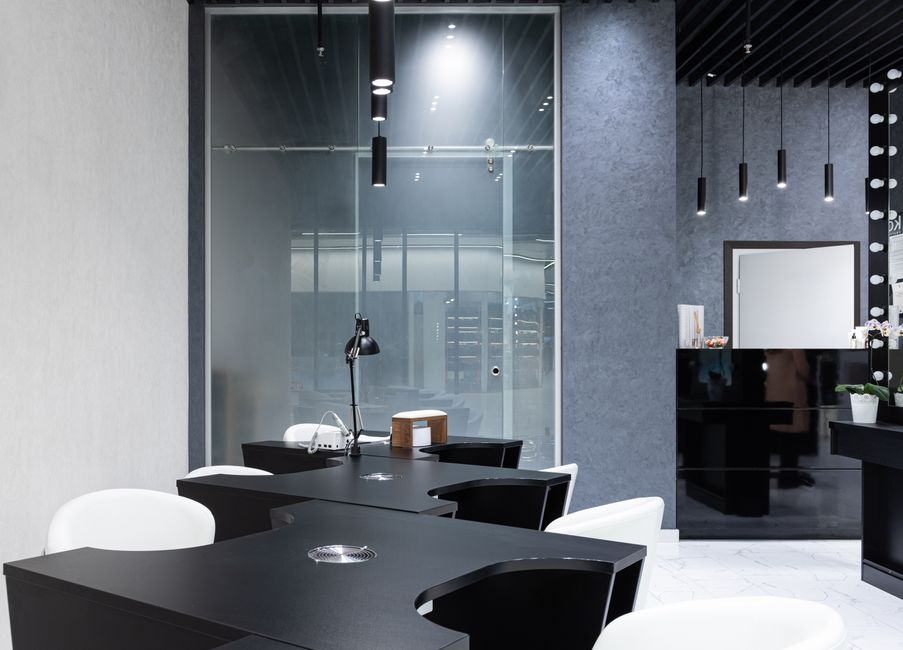
We often advise teams to think about these surfaces as dual-purpose assets. The same glass can support a polished first impression when clear and provide on-demand separation when privacy suddenly matters. That is a more flexible answer than treating public-facing glass as either permanently exposed or permanently blocked.
A simple way to choose between film and full switchable glass
- Retrofit smart film usually makes more sense when the existing glass is staying, the office is occupied, disruption needs to stay low, and targeted upgrades matter more than a full glazing overhaul.
- Retrofit smart film usually makes more sense when conference rooms or partitions need privacy soon, but the project is not replacing frames, doors, or major glass assemblies.
- Full switchable glass usually makes more sense when the glazing is already being replaced, the room has higher finish expectations, or the design team wants the most integrated built-in appearance.
- Full switchable glass usually makes more sense when doors, hardware prep, framing coordination, or premium executive and boardroom details make retrofit compromises less appealing.
The installation path matters as much as the product choice
Once the room-by-room decision is clear, execution becomes the next big issue. Privacy glass projects can look simple from across the room, but office installations succeed or struggle based on coordination details. Power needs a path. Wiring needs concealment. Doors and hardware need to be accounted for early. If glass replacement is involved, that timing has to line up with the broader construction schedule instead of arriving after framing, finish work, or electrical decisions are already closed.
Occupied offices add another layer. Many Southern California workplaces cannot shut down a conference wing or executive area for an extended installation window. That is why phased scheduling and after-hours work often matter just as much as product selection. A good plan should let the office keep functioning while the most valuable privacy zones are upgraded in the right sequence.
- Confirm which glass stays and which glass is being replaced.
- Resolve power locations and how wiring will be concealed.
- Check door conditions, hardware, and any specialty glazing details early.
- Coordinate scope with electricians, glaziers, designers, and contractors before ordering.
- Plan for phased or after-hours installation if the office will remain occupied.
Where office privacy glass projects go wrong
The most common mistake is solving for the product before solving for the room. Teams sometimes decide they want film everywhere because it sounds simpler, or replacement glass everywhere because it sounds more premium. Both approaches can create unnecessary cost or avoidable compromises. The better question is always what the space needs operationally, what condition the existing glass is in, and how much coordination the surrounding project already requires.
Another issue is expecting privacy glass to solve every performance concern by itself. It is excellent for visual privacy and preserving daylight, but the project still needs clear thinking around room use, switch placement, power access, and the realities of doors and framing. If those issues are addressed too late, rework follows. If they are addressed early, the office gets a cleaner result and a smoother installation path.
We also see disappointment when teams underestimate finish expectations in highly visible spaces. A retrofit may be absolutely right for one conference room and the wrong answer for an executive suite being fully redesigned. The smartest plan is not the one that picks the flashiest option. It is the one that matches each zone to the right level of intervention.
Why a mixed-solution assessment tends to produce better office outcomes
This is where our role at Pacific Smart Glass becomes valuable. We do not approach offices as if every glass surface needs the same answer. We help teams assess the space by function, glazing condition, renovation timing, and coordination realities, then map the right path room by room. For one office, that may mean retrofit smart film on existing conference room walls, new switchable glass in a premium executive suite, and a phased rollout for interior partitions later.
That kind of planning is especially useful in Southern California commercial interiors, where occupied suites, tenant improvements, and design-driven upgrades often overlap. We work within those realities, coordinating with project stakeholders and helping teams avoid the late-stage surprises that tend to inflate cost or delay installation. The goal is not to push a single product. It is to make the office function better with the least risky path to privacy-on-demand.
Cost follows scope, conditions, and timing more than room labels
Office leaders understandably want a simple per-room number, but privacy glass pricing rarely works that way. Cost depends on how many glass surfaces are involved, whether those surfaces are existing or new, how accessible power is, whether wiring can be concealed cleanly, and how much coordination is required around doors, hardware, framing, and occupied-office scheduling. A conference room retrofit and a new executive office glazing package may both serve the same privacy goal while carrying very different installation paths.
That is why generic quote chasing often leads to confusion. A more useful first step is a space-by-space review that identifies which areas are strong retrofit candidates and which justify full switchable glass. Once that is clear, budget discussions become more grounded and the office can prioritize upgrades in phases if needed. If you are planning a workplace update in Southern California, we can help you evaluate the glass you have, the rooms that matter most, and the installation path that makes the most sense before the project hardens around the wrong assumption.
FAQ
Can an office use smart film in some rooms and switchable glass in others?
Yes. In fact, that is often the most practical approach. Many offices get the best result by retrofitting existing conference room or partition glass while using full switchable glass in new executive spaces, premium rooms, or areas already scheduled for glazing replacement.
Is retrofit film disruptive in an occupied office?
It can usually be planned with less disruption than full glass replacement, especially when the existing glass is staying in place. We still recommend early coordination around power, access, and scheduling so the work fits the office’s operating hours and traffic patterns.
When is full switchable glass worth the extra scope?
It is often worth it when the room has higher finish expectations, when new glazing is already part of the project, or when doors, hardware, and integrated detailing make a more complete solution the better long-term fit.
Does privacy glass work well for office doors too?
It can, but doors usually require more careful planning because of hardware, power routing, and fabrication details. That is one reason door conditions should be reviewed early rather than treated as an afterthought.
What should we resolve before asking for pricing?
Start with the office zones that matter most, identify which glass is existing versus new, and flag any door, electrical, or scheduling constraints. That gives us a much better basis for advising whether retrofit film, full switchable glass, or a mixed solution is the right move.