
When searching for privacy glass high-rise condo San Jose solutions, downtown residents consistently rank this among the most-requested upgrades we handle for residential towers. When you’re living on the 8th floor of a building like 88 West San Carlos, you’re not just exposed to the street below. You’re looking directly into the windows of the building across the street, and they’re looking right back at you. Standard blinds block light when you want it, frosted film kills your view permanently, and neither one gives you real control. That’s exactly the problem smart film and smart glass are built to solve.
Why Privacy Is a Specific Problem in San Jose High-Rise Buildings
High-rise living in San Jose creates a privacy problem that suburban homes simply don’t have. Unit density is extreme. In a building like 88 West San Carlos in the SoFA District, you can have 200-plus units packed onto a single city block, with floor-to-ceiling glass facades facing other floor-to-ceiling glass facades just 60 to 100 feet away.
Lower floors have it especially rough. Units on floors 2 through 6 deal with direct street-level sightlines from pedestrians, food delivery workers cutting through the property, and people waiting at the bus stops on South Market Street. You can’t leave your shades open during the day without feeling like you’re in a fishbowl.
But it’s not just the lower floors. Buildings in the Diridon corridor, the North San Jose tech district, and the high-rise cluster near San Pedro Square face the shared sightline problem between towers. You might be on the 14th floor and still have an unobstructed view into someone’s living room two blocks away, because three other towers sit at nearly the same height with identical window orientations.
Smart privacy glass high-rise condo solutions in San Jose have become so popular because they solve all three exposure scenarios without requiring curtains, without blocking daylight, and without permanently altering the glass. You get clear glass when you want the view, and instant privacy when you don’t.
Smart Film vs Smart Glass vs LED Film: Which Works for High-Rise Units
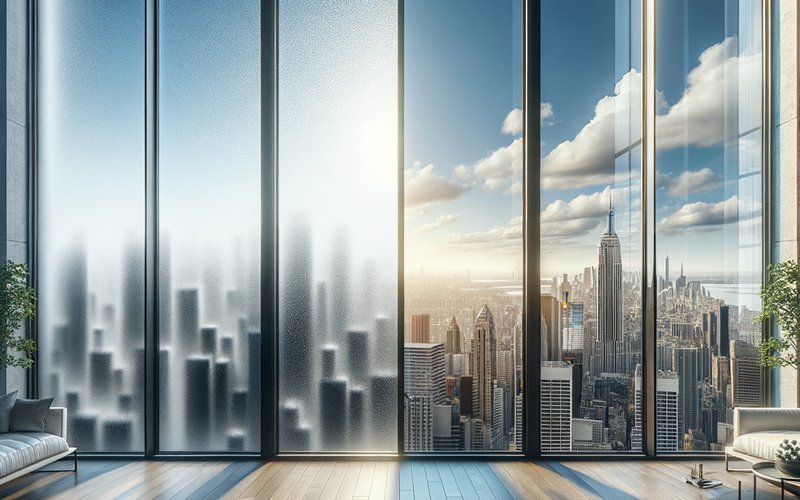
The right product depends on whether you own or rent, how your unit is wired, and whether your HOA allows permanent modifications. Here’s a direct breakdown.
| Product | Best For | Permanent Install? | HOA-Friendly? | Typical Cost (per sq ft) |
|---|---|---|---|---|
| Smart Film (adhesive) | Renters, lower-floor units, budget-conscious owners | No | Yes, in most cases | $8–$15 |
| Smart Glass (laminated) | Condo owners doing full renovations | Yes | Requires HOA approval | $65–$130 |
| LED Film | Dual-purpose: privacy + display | No (film applied) | Usually yes | $20–$45 |
Smart Film: The Flexible Option
Smart film is an adhesive PDLC (polymer dispersed liquid crystal) film that applies directly onto your existing glass. When switched on, the glass goes clear. Switch it off and it frosts instantly. It runs off a low-voltage controller and can connect to a wall switch, remote, or smartphone app. For renters or anyone in a building with HOA restrictions, this is the go-to choice because you’re not altering the glass itself.
Smart Glass: The Permanent Upgrade
Smart glass is the built-in version. The PDLC layer is laminated between two panes of glass during manufacturing, and the entire unit replaces your existing window or door panel. It looks cleaner, lasts longer, and performs better in direct sunlight. But you need HOA sign-off, and you need to budget for full window replacement, not just a film application.
LED Film: Privacy With a Second Purpose
LED film is an interesting option for high-rise units where you want privacy but also want to use a large glass surface as a display screen, whether that’s for ambient lighting, art, or even a home theater effect. It applies like smart film but adds an LED pixel layer. It’s not a replacement for smart film if pure privacy is your goal, but for corner units or large living room windows, the dual function can justify the higher cost.
San Jose Condo HOA Rules and What You Can Actually Install

Most San Jose condo HOAs restrict permanent glass replacement but allow smart film application. That’s the key distinction you need to understand before doing anything.
When you replace glass entirely, you’re modifying a structural or architectural element of the building. HOA governing documents, especially in newer downtown towers like 188 West St. James or The 88, typically classify windows and exterior-facing glass as common-area elements. That means you need board approval, potentially a design review, and sometimes sign-off from the building’s property management company.
Smart film is different. Because it applies to the interior glass surface and doesn’t alter the window unit itself, most HOAs treat it like window tinting or interior decor. You’re not replacing anything. You’re not drilling into the facade. And you can remove it cleanly when you sell or move.
Before You Apply Anything
That said, don’t assume you’re automatically cleared. Even for smart film, get written confirmation from your HOA before you spend a dollar. Send an email to the property management office describing the product, confirming it’s an interior adhesive film with no permanent modification to the glass or building structure. Ask them to respond in writing. It takes a few days and protects you completely.
Some buildings have reflectivity restrictions that affect certain smart films in clear mode, particularly in South San Jose developments near Almaden that share sight-corridor guidelines. A quick email to your HOA manager clears that up fast. You can also check your CC&Rs directly; look for sections titled “Alterations,” “Window Treatments,” or “Unit Modifications.”
Cost Breakdown for High-Rise Smart Film and Smart Glass in San Jose
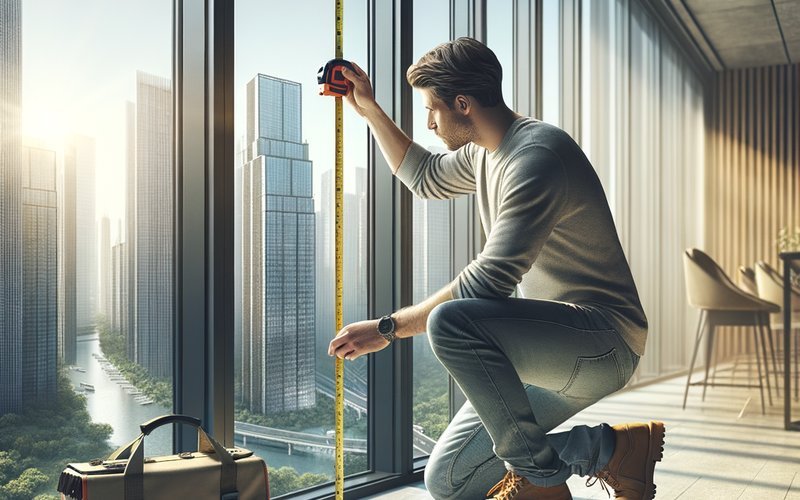
Here’s what you should actually expect to pay for smart film and smart glass installation in a San Jose high-rise unit, broken down by unit size and install type.
| Unit Type | Approx. Glass Area | Smart Film (installed) | Smart Glass (installed) | Install Time |
|---|---|---|---|---|
| Studio | 80–120 sq ft | $900–$1,800 | $5,500–$10,000 | 4–6 hours |
| 1-Bedroom | 150–220 sq ft | $1,500–$3,200 | $10,000–$18,000 | 1 day |
| 2-Bedroom | 250–400 sq ft | $2,500–$5,800 | $17,000–$35,000 | 1–2 days |
| Penthouse / Corner Unit | 500+ sq ft | $5,000–$9,000+ | $35,000+ | 2–3 days |
Hardwired smart film systems cost more than plug-in versions because the wiring requires running low-voltage cable through wall conduit and installing a proper wall switch. In a high-rise unit, you’re typically looking at $200–$500 in additional electrical work for a hardwired setup. Plug-in systems avoid that cost, but you’ll have a visible power cord to manage. Most installers in San Jose run the cord discreetly along baseboards with cable channels if a full hardwire isn’t feasible.
A resident in a 1-bedroom unit at Axis at the Park in Downtown San Jose recently paid $2,200 total for smart film on three large windows, hardwired to a single wall switch. That’s a realistic number for that unit size with a professional install and a quality PDLC film product.
Renter-Specific Options: On-Demand Privacy Without Permanent Changes
If you’re renting your San Jose apartment, smart film is genuinely one of the best investments you can make, and you can take it with you when you leave. Adhesive PDLC film attaches to the glass surface cleanly and removes without leaving residue or damage, provided you use a quality product and follow proper removal steps.
For lower-floor units in buildings like The Pierce or Currents at Rivermark, street-level exposure is a daily frustration. You either keep the blinds closed and lose your light, or you live with people outside looking in. Smart film solves that by letting you go clear during the day when foot traffic is low, and switch to frosted in the evening or whenever you need it.
No permit is typically needed for smart film installation in a San Jose residential unit. The City of San Jose’s Building Division doesn’t classify adhesive film application as a structural alteration, so there’s no permit requirement under Santa Clara County building code for this type of work. That makes the process fast and straightforward.
What about your landlord? Honestly, most landlords respond well when you explain that the film is removable, doesn’t damage the glass, and actually reduces UV exposure that can fade floors and furniture. Frame it as a benefit to the property, not just a personal preference. Some renters have gotten written landlord approval in a single email exchange. You can also review your lease for clauses on “alterations” or “window coverings” — smart film typically falls outside the scope of those restrictions because it’s non-permanent.
For more on what renters can and can’t do, this guide on smart glass for renters and landlords covers the approval process, lease language, and what to document before installation.
How to Get Privacy Glass Installed in Your San Jose High-Rise
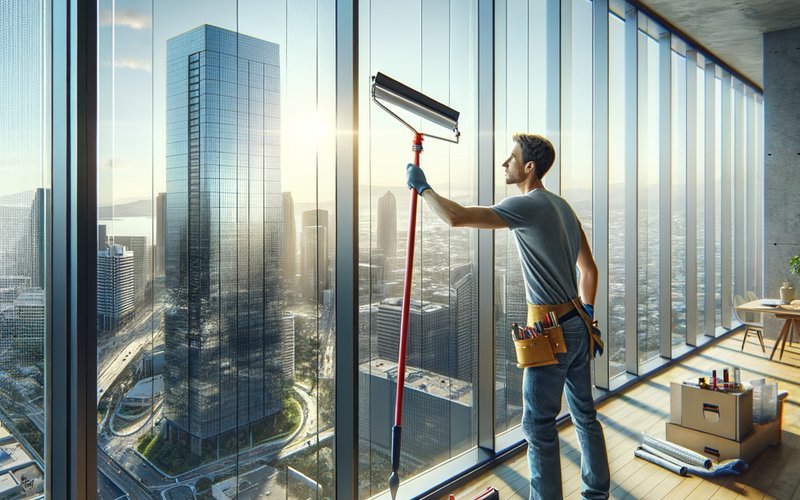
Getting privacy glass installed in your San Jose high-rise starts with a site assessment, and that step is more important in a multi-unit building than in a single-family home. Pacific Smart Glass handles smart glass service in San Jose for both condo owners and renters, including units in Downtown, North San Jose, and Willow Glen-adjacent towers.
What the Process Looks Like
The assessment visit takes about 45 to 60 minutes. A technician measures your glass panels, checks the existing window condition, identifies your power access points, and confirms whether your glass surface is compatible with PDLC film adhesion. Not all glass is identical; some low-E or tinted glass panels require a test application before a full install is confirmed.
If you need HOA approval support, Pacific Smart Glass provides documentation packages that include product specs, install methodology, and a written statement confirming no permanent alteration to the window unit. That’s enough for most downtown San Jose building managers to issue a green light quickly, often within a week.
Timeline From First Contact to Done
- Initial inquiry and quote: 1–3 business days
- Site assessment visit: scheduled within 1 week
- HOA approval (if needed): 3–14 days depending on board schedule
- Film or glass order lead time: 1–3 weeks
- Installation day: 4 hours to 2 days depending on unit size
For most San Jose condo owners going the smart film route, the total time from first contact to finished install runs 3 to 5 weeks. Smart glass replacements take longer because of manufacturing lead times, but the install itself is typically completed in a single visit once the units arrive.
If you’re dealing with privacy glass issues in your San Jose high-rise condo or apartment, the solution is closer than you might think. Smart film handles nearly every scenario — rental restrictions, HOA limits, street exposure, inter-tower sightlines — without the cost or complexity of full glass replacement. Start with a site assessment and work from there.