
For homeowners exploring smart film existing windows San Jose solutions, the technology is exactly what it sounds like: a switchable adhesive film you apply directly to your current glass, no demolition, no new frames, no contractor tearing out your walls. If you’ve been searching for a way to add privacy glass or switchable technology to your home without a full window replacement, smart film is almost certainly the answer you’re looking for.
What Smart Film Actually Is (And How It Differs from Smart Glass)
Smart film is a thin, self-adhesive PDLC (Polymer Dispersed Liquid Crystal) layer that bonds to the surface of your existing glass. When electricity runs through it, the liquid crystals align and the film turns clear. Cut the power, and it goes frosted. That’s the whole mechanism, and it’s been refined enough that modern film is reliable, flat, and nearly invisible when clear.
Smart glass, by contrast, has the PDLC technology built directly into the glass panes during manufacturing. You can’t retrofit smart glass onto an existing window. It has to replace the window entirely. That distinction matters a lot once you see what smart glass installation actually costs versus applying film.
And here’s the thing most salespeople won’t tell you upfront: the switchable effect looks nearly identical from the inside whether you’re using film or glass. The difference shows up in the budget and the installation process, not in how your room looks and feels day-to-day.
Why San Jose’s Older Windows Are a Perfect Match for Smart Film
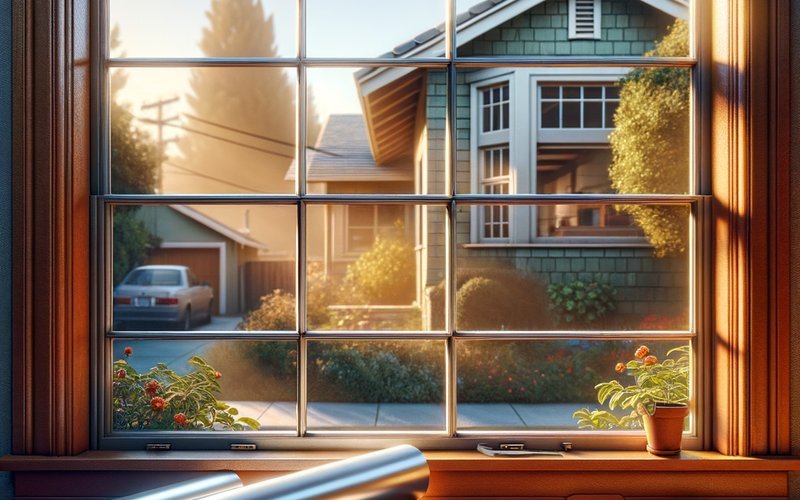
In San Jose, a huge percentage of the housing stock was built between the 1970s and 1990s. Those homes typically came with single-pane aluminum-frame windows, and most of them are still in place. Replacing all those windows with smart glass would cost tens of thousands of dollars per home. Smart film on existing windows in San Jose changes that math entirely.
Single-pane glass is actually an ideal substrate for smart film. It’s flat, it’s smooth, and there’s no low-E coating on older single-pane windows that would interfere with adhesion. Neighborhoods like Willow Glen, Cambrian Park, and Berryessa are packed with exactly this kind of housing stock, and homeowners there are increasingly choosing film over full replacement.
The South Bay climate adds another angle. San Jose gets real sun, real heat in summer, and the west-facing windows on a 1980s ranch house in Almaden Valley can make a living room nearly unusable in the afternoon. Smart film adds a layer of solar control on top of the privacy function, which helps bring those rooms back to life without a full window overhaul.
You’re also not dealing with construction waste, contractor scheduling delays, or the months-long lead times that custom smart glass orders sometimes require. A typical smart film install on a San Jose home takes one to two days for a standard project. That’s a significant difference when you’re trying to upgrade your space, not renovate it.
Smart Film vs. Smart Glass: Which One Works for Your Existing Windows
If your windows are already in place and in decent condition, smart film is almost always the right call. Smart glass only makes sense if you’re already planning a window replacement for other reasons, like failing seals, code upgrades, or a full remodel.
| Factor | Smart Film (Retrofit) | Smart Glass (Full Replacement) |
|---|---|---|
| Requires window removal? | No | Yes |
| Cost per sq ft in San Jose | $25–$55 | $85–$150+ |
| Typical project total | $1,800–$6,500 | $8,000–$25,000+ |
| HOA or permit issues? | Rarely | Often requires approval |
| Installation time | 1–2 days | 1–3 weeks (lead time + install) |
| Works on single-pane glass? | Yes | Replaces it entirely |
| Reversible? | Yes, film can be removed | No |
So when does smart glass actually make sense? If you’re building new, doing a gut renovation, or replacing windows anyway due to seal failure or energy code compliance, that’s when it’s worth pricing smart glass. Otherwise, film gets you the same day-to-day function at a fraction of the cost. For most San Jose homeowners with existing windows, that’s not a close call.
Condo Owners in Downtown San Jose High-Rises: What You Can Actually Install
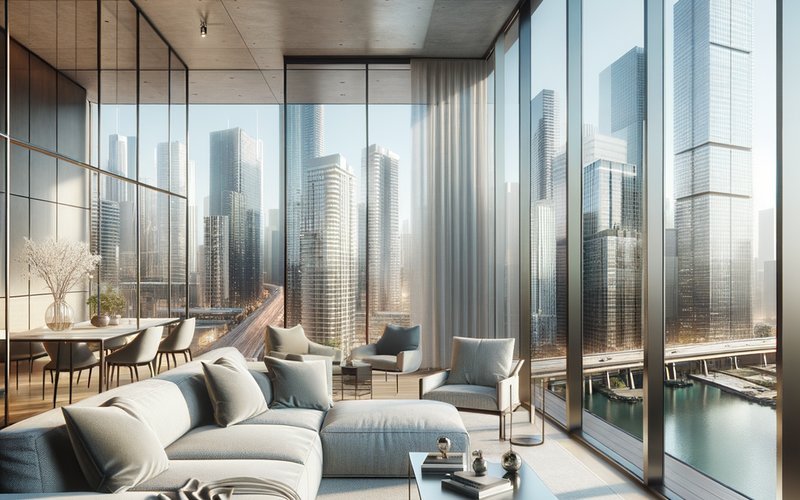
Condo owners in downtown San Jose high-rises, places like the 88 West San Fernando, ARIUM Santana Row, or The 160 at Alviso, often hit a hard wall when they try to upgrade their windows. The HOA owns the building envelope. You can’t swap out the glass. Full stop.
But smart film is a different situation. Because it’s applied to the interior surface of existing glass with adhesive, it doesn’t modify the window unit itself. You’re not touching the frame, the seal, or the structure. That puts film in a very different category from glass replacement in most HOA governing documents.
That said, you should still check your CC&Rs before any installation. Some downtown San Jose HOAs have restrictions on window tint or appearance changes visible from outside the building. Frosted smart film in its “off” state can be visible from the street, so it’s worth a quick email to your HOA management before you commit.
The good news: adhesive-only film installations require no drilling, no structural work, and no permits in the vast majority of cases. A condo owner in SoFA District recently had smart film applied to three bedroom windows and the process took less than four hours total. No mess, no noise, no management office involvement.
Does Smart Film Require a Permit in San Jose?
In San Jose, smart film applied to existing windows typically does not require a building permit. The City of San Jose’s Department of Planning, Building and Code Enforcement (PBCE) generally classifies window film application as a cosmetic interior modification, which falls below the threshold that triggers permit requirements.
Where it gets slightly more complicated is the electrical connection. Smart film needs power. Battery-powered smart film controllers require no electrical permit at all. If you want a hardwired installation connected to your home’s electrical system, that low-voltage wiring work may require a permit depending on how it’s routed and whether it connects to a dedicated circuit.
Honestly, most residential smart film installs in San Jose go the plug-in or battery route and avoid the permit question entirely. For commercial installs in downtown San Jose office buildings or retail spaces in Santana Row, it’s worth a call to PBCE at (408) 535-3555 to confirm requirements for your specific setup.
The permit picture for smart film is considerably simpler than for smart glass replacement, which can trigger Title 24 energy compliance reviews depending on the scope of the work. That’s one more practical reason film tends to win for retrofit projects in the South Bay.
Smart Film as a Rental Property Value-Add in San Jose
San Jose landlords operate in one of the tightest rental markets in the country. A one-bedroom in Japantown or East San Jose that stood out from comparable units in 2024 was leasing faster and sometimes above asking. Smart film is a low-cost way to make a rental unit feel noticeably more premium.
The no-permit aspect matters here. You can upgrade a rental unit’s bedroom windows with smart film without pulling permits, without notifying tenants of construction-level work, and without creating the kind of disruption that leads to complaints or lease issues. The film goes on cleanly and quickly.
For ROI, consider this: a San Jose landlord who spends $2,200–$3,500 on smart film for a two-bedroom unit can realistically add $75–$150/month to the asking rent based on the premium feel and the privacy upgrade, particularly for ground-floor units or those facing other buildings. That’s a payback period of roughly 18 to 30 months, which is solid for a non-structural upgrade with no depreciation hit to the window itself.
And if a tenant later requests removal, the film comes off without damaging the glass. That reversibility is something landlords genuinely appreciate. You’re not locked in. You can update the unit again later without any cost to reverse this decision.
What Smart Film Installation Costs in San Jose
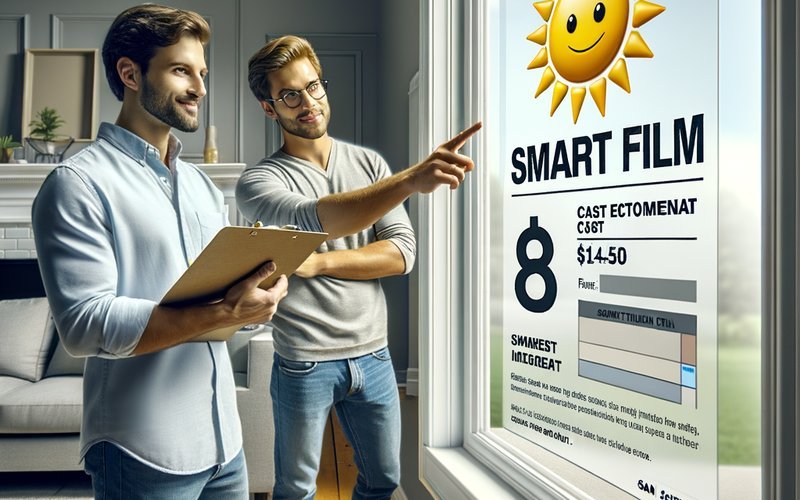
Smart film pricing in San Jose runs $25–$55 per square foot installed, depending on the film grade, the complexity of the window shapes, and the electrical setup you choose. That range covers the film itself, professional installation, and basic controller hardware.
| Project Type | Approximate Square Footage | Estimated Cost in San Jose |
|---|---|---|
| Single bathroom window | 8–15 sq ft | $400–$850 |
| Master bedroom (2–3 windows) | 30–60 sq ft | $1,200–$3,200 |
| Living room slider + window | 50–80 sq ft | $1,800–$4,400 |
| Full condo (4–6 windows) | 80–140 sq ft | $2,800–$7,000 |
| Small commercial office suite | 150–300 sq ft | $5,500–$15,000 |
What pushes your cost up? Curved glass adds complexity. Large custom cuts that need to be seamed cost more than a single continuous piece. Smart film on skylights or overhead glass requires specialized installation and carries a premium. And if you want a hardwired smart controller with app integration, that adds $300–$800 to most residential projects.
What brings cost down? Straightforward rectangular windows, accessible interior surfaces, and a plug-in or battery controller. A homeowner in Cambrian Park who had three standard bedroom windows done recently paid $2,100 total, which included film, a wireless remote controller, and a half-day install. That’s a realistic mid-range number for a simple residential job.
Ready to Add Smart Film to Your San Jose Windows? Here’s Where to Start
Before you book anything, do a quick walkthrough of the windows you want to upgrade. Note whether they’re single-pane or double-pane, whether there’s any existing tint or coating, and whether the glass surface is clean and undamaged. Those factors affect what film grades will work and how quickly the job can be quoted.
If you’re a condo owner, pull out your HOA documents and scan the section on window modifications or exterior appearance. Most downtown San Jose HOAs won’t have a specific policy on smart film because it’s new enough that they haven’t written one yet. A quick email to your property manager asking whether interior window film is permitted usually gets a fast answer.
For a full site assessment and accurate quote, Pacific Smart Glass’s San Jose smart glass and film service covers residential, condo, and commercial projects across the South Bay. They’ll walk your space, measure what needs measuring, and give you a realistic number based on your actual windows, not a per-square-foot estimate pulled from a website.
The bottom line on smart film for existing windows in San Jose: it’s faster, cheaper, and less disruptive than any alternative. If your windows are already there and they work, there’s no good reason to tear them out just to get the switchable privacy function you want. Film gets you there today.
Frequently Asked Questions
Can smart film be applied to any existing window in San Jose?
Smart film can be applied to most existing windows in San Jose, including single-pane, double-pane, and tempered glass surfaces. The main exceptions are windows with existing low-E coatings that may interfere with adhesion, heavily textured glass, and windows with significant damage or failing seals. A site assessment will confirm compatibility before installation.
Will smart film work on single-pane windows common in older San Jose homes?
Yes. Single-pane windows found in San Jose homes built between the 1970s and 1990s are actually ideal for smart film installation. They’re flat, smooth, and free of the low-E coatings that sometimes create adhesion issues on newer double-pane units. Smart film adheres cleanly to standard single-pane glass and performs reliably in San Jose’s climate.
Do San Jose condo HOAs allow smart film installation?
Most San Jose condo HOAs allow smart film because it’s applied to the interior surface of the glass and doesn’t modify the window unit, frame, or building envelope. However, some HOAs in downtown San Jose high-rises restrict visible tinting or frosting. You should review your CC&Rs and send a written inquiry to your HOA management before scheduling installation.
Does installing smart film on existing windows require a permit in San Jose?
In San Jose, applying smart film to existing windows typically does not require a building permit. The City of San Jose’s Department of Planning, Building and Code Enforcement (PBCE) generally treats window film as a cosmetic interior modification. If your installation includes hardwired low-voltage electrical work, that component may require a separate electrical permit. Battery-powered and plug-in setups avoid this requirement entirely.
How long does smart film last on existing windows?
Quality smart film installed by a professional typically lasts 10 to 15 years under normal residential use in San Jose. Lifespan is affected by direct UV exposure, installation quality, and how often the film cycles between its clear and frosted states. Most reputable film manufacturers offer warranties of 5 to 10 years on the PDLC layer and adhesive bond.
What is the difference between smart film and LED film for windows?
Smart film uses PDLC technology to switch between clear and frosted states for privacy control. LED film, by contrast, embeds LED nodes into a transparent film layer to turn glass surfaces into display screens or dynamic lighting panels. LED film is primarily used for commercial applications like storefronts, conference rooms, and retail displays. Smart film is the right choice for residential privacy; LED film is a commercial display and branding tool.