
Yes, homeowners researching **smart glass energy rebates San Jose California** can qualify for multiple incentives, but eligibility depends on the specific product, its solar heat gain coefficient (SHGC) rating, and which utility program you’re applying through. In San Jose, that means navigating two utility options, PG&E and Silicon Valley Clean Energy (SVCE), plus California Title 24 compliance requirements and a federal tax credit that many homeowners overlook entirely. This guide breaks down exactly which smart glass energy rebates in San Jose, California are available, what your product needs to qualify, and how to stack multiple incentives for the best outcome.
Smart Glass and California Energy Rebates: The Short Answer
Smart glass can qualify for energy rebates in San Jose when it meets California’s Title 24 SHGC thresholds and is installed by a licensed contractor who can provide compliance documentation. Not every product on the market qualifies. The distinction between electrochromic smart glass, smart film retrofits, and decorative LED film matters a lot here, and we’ll get into each one.
In San Jose, most homeowners are served by either PG&E or Silicon Valley Clean Energy depending on their zip code and whether they’ve opted into community choice aggregation. Both programs offer energy efficiency incentives, but they work differently. PG&E runs the Energy Upgrade California Home Upgrade program, while SVCE has its own rebate and clean energy pairing incentives. And some homeowners qualify for both, which is where the real savings stack up.
So what actually qualifies smart glass for a rebate? The product needs to demonstrably reduce solar heat gain or improve insulation values beyond California’s base energy code. That generally means a certified electrochromic or PDLC (polymer dispersed liquid crystal) glass panel with a verified SHGC of 0.25 or lower for west- and south-facing windows in Santa Clara County’s climate zone (Zone 4).
PG&E Rebates Available to San Jose Homeowners

PG&E offers rebates for smart glass in San Jose through its Home Upgrade program, which provides tiered incentives based on projected energy savings and the number of qualifying upgrades installed together. Smart glass alone may not trigger the highest rebate tier, but paired with other envelope improvements it can push a project into significantly higher payout brackets.
| PG&E Home Upgrade Tier | Typical Rebate Range | Smart Glass Qualifying Condition |
|---|---|---|
| Basic (single measure) | $100–$350 | ENERGY STAR certified fenestration, SHGC ≤ 0.25 |
| Advanced (2–3 measures) | $1,000–$2,500 | Smart glass + insulation or HVAC upgrade |
| Whole Home (4+ measures) | $3,500–$6,500 | Full envelope upgrade including windows, air sealing, attic |
SHGC Requirements for PG&E Qualification
To qualify under PG&E’s program, your smart glass needs to be listed on the ENERGY STAR Certified Residential Windows, Doors, and Skylights product list, maintained by the EPA. Electrochromic smart glass from manufacturers like SageGlass or View (formerly View Dynamic Glass) typically appears on this list. Your contractor should be able to pull the NFRC-certified label and product ID number before you submit the rebate application.
The SHGC threshold that PG&E uses for northern California climate zones is 0.25 or below in the tinted/darkened state. That’s the critical number. If your smart glass only achieves 0.30 SHGC when active, it won’t qualify, even if it performs better than regular double-pane in other ways.
How to Apply for a PG&E Smart Glass Rebate
Applications go through PG&E’s online portal at pge.com/homeupgrade. You’ll need the contractor’s license number, the product’s NFRC certificate, and a pre- and post-installation energy estimate. PG&E sometimes requires a pre-approval step for projects over $5,000 in estimated scope, so don’t schedule installation before confirming eligibility. Processing typically takes 6–10 weeks after submission.
Silicon Valley Clean Energy: San Jose’s Second Utility Option
Silicon Valley Clean Energy serves much of San Jose, including neighborhoods like Willow Glen, Almaden Valley, and Blossom Hill, if residents haven’t opted out of the community choice program. SVCE doesn’t generate its own rebate programs from scratch but administles funding through statewide programs and its own clean energy incentives, particularly for solar-paired projects.
Where SVCE gets interesting for smart glass installs is the solar pairing angle. If you’re adding or already have a rooftop solar system, SVCE offers incentives to reduce daytime cooling loads, and smart glass that actively reduces solar heat gain during peak hours directly supports that goal. A homeowner in Almaden Valley with a 6 kW solar array could see meaningful bill credits when smart glass reduces afternoon AC demand during summer months, when grid demand is highest.
SVCE also promotes the Bay Area Regional Energy Network (BayREN) rebate programs, which cover window upgrades including some smart glass products. BayREN’s window rebate for ENERGY STAR qualified fenestration in San Jose currently runs at $3–$5 per square foot, with a project cap of around $1,500. That’s separate from PG&E’s Home Upgrade tier and can be combined with it in some cases.
The practical difference between SVCE and PG&E for smart glass? PG&E offers higher dollar rebates through the Home Upgrade program for multi-measure projects. SVCE is more useful when you’re pairing smart glass with solar and want to optimize your system performance and bill credits simultaneously. If you’re unsure which utility serves your address, check svcleanenergy.org’s service area map before assuming.
California Title 24 Compliance for Smart Glass in Santa Clara County
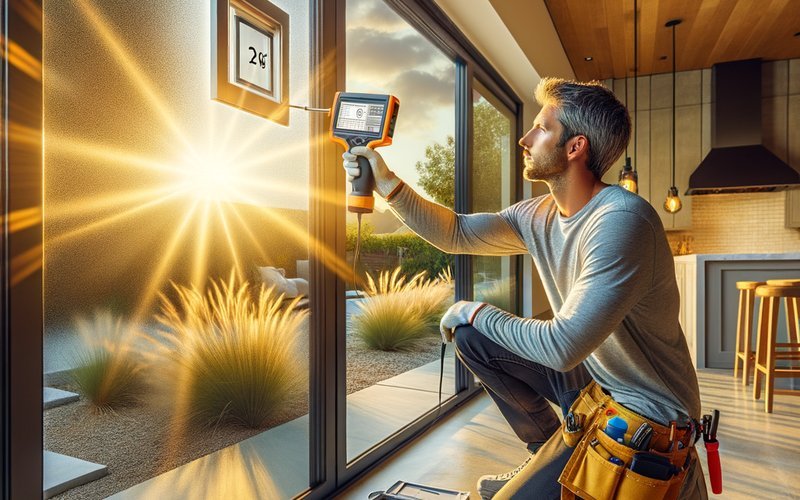
California Title 24 Part 6 sets the energy performance standards that all window and glazing products must meet in new construction and certain retrofits. In Santa Clara County (Climate Zone 4), smart glass must hit specific SHGC and U-factor thresholds to be considered code-compliant, and those thresholds directly affect both permit approval and rebate eligibility.
| Application Type | Title 24 SHGC Requirement (Zone 4) | U-Factor Requirement | Permit Required? |
|---|---|---|---|
| New construction | ≤ 0.25 | ≤ 0.32 | Yes, mandatory |
| Replacement windows (same size) | ≤ 0.25 | ≤ 0.32 | Yes, typically required |
| Added window film (retrofit) | Varies by base glazing | Not independently rated | Not always required |
New Builds vs. Retrofits in Santa Clara County
For new construction in San Jose, Title 24 compliance is mandatory and verified by a HERS (Home Energy Rating System) rater before final inspection. Smart glass installed in a new build needs to hit those SHGC thresholds in its most effective state, typically the tinted or darkened configuration, and the rating must come from an NFRC-certified lab test.
Retrofit situations are a bit more nuanced. If you’re replacing existing windows with smart glass panels, Santa Clara County Building Department (located at 1555 Berger Drive, San Jose) typically requires a permit and inspection. The project must comply with current Title 24 standards. But if you’re applying smart film to existing glass without structural changes, permitting requirements vary and the film’s standalone thermal performance may not meet Title 24 on its own.
Bottom line: for any retrofit you plan to use toward a rebate claim, get the permit first. Rebate programs verify compliance, and an unpermitted install can disqualify your application after the work is done.
Smart Film vs Smart Glass: Which Product Qualifies for Rebates?

Smart film can qualify for some rebates but not all, and the distinctions matter before you spend money on a product. Full electrochromic smart glass panels, where the glazing itself switches states, have the clearest path to rebate eligibility because they carry NFRC ratings and appear on ENERGY STAR certified product lists.
PDLC smart film applied to existing glass is trickier. The film changes the optical properties of the glass, but the combined SHGC performance depends heavily on the original glazing it’s applied to. Some film-plus-glass combinations can be rated by an NFRC-certified lab, and if the result hits SHGC ≤ 0.25 in the opaque state, it may qualify. But most off-the-shelf smart film products don’t come with NFRC certification out of the box, so you’d need product-specific documentation from the manufacturer.
LED film is a different category entirely. Products like transparent LED display film are designed for digital signage and light projection, not insulation or solar heat reduction. LED film does not qualify for energy rebates through PG&E, SVCE, BayREN, or the federal 25C credit. If a contractor suggests LED film for energy savings, that’s a red flag.
The safest path is to ask your installer for the product’s NFRC certificate, its ENERGY STAR listing number, and confirmation that it’s eligible under the specific rebate program you’re targeting. Don’t assume a “smart” label means it qualifies.
How to Stack Federal Tax Credits With San Jose Rebates

The IRS Section 25C tax credit, expanded under the Inflation Reduction Act, covers 30% of the cost of qualifying energy-efficient windows, up to a $600 annual credit limit for windows specifically. This credit applies to smart glass products that meet ENERGY STAR Most Efficient criteria, which requires an SHGC of 0.20 or lower and a U-factor of 0.22 or lower depending on climate zone.
So here’s where stacking gets interesting. A San Jose homeowner replacing west-facing windows with certified electrochromic smart glass might realistically combine a $1,000–$2,500 PG&E Home Upgrade rebate, a $1,500 BayREN window rebate, and a $600 federal 25C tax credit, totaling up to $4,600 in combined incentives on a project that might cost $8,000–$14,000 installed.
The federal credit is claimed on IRS Form 5695 when you file your annual return. Keep copies of your receipts, the installer’s invoice, and the product’s ENERGY STAR certification. The rebates from PG&E and BayREN do not reduce your basis for the federal credit calculation, which means you’re not penalized for claiming both.
One honest note here: the 25C credit has an annual cap, not a project cap. If you’re doing a larger whole-home energy upgrade, you may want to spread window and other qualifying measures across two tax years to maximize the total credit available to you. Talk to your tax preparer about timing before scheduling the install.
Next Steps: Getting a Rebate-Ready Smart Glass Install in San Jose
Getting the rebate right starts before installation, not after. In San Jose, that means verifying three things up front: the product is NFRC-certified and ENERGY STAR listed, the contractor is licensed to pull permits in Santa Clara County, and the rebate program you’re targeting is still open and funded.
Rebate programs, especially BayREN and PG&E Home Upgrade, periodically run out of annual funding. Checking availability at the time you’re ready to move forward is worth a five-minute phone call or portal check. PG&E’s rebate line is 1-800-933-9555. BayREN’s program info is managed through bayren.org.
- Ask your installer for the product’s NFRC certificate and ENERGY STAR listing number before signing any contract
- Request that the installer pull the required Santa Clara County building permit and schedule the HERS inspection if applicable
- Submit any required pre-approval to PG&E or BayREN before work begins, not after
- Keep all documentation: invoices, product labels, permit records, and inspection sign-offs for your tax filing
If you want someone who already knows the rebate process, product certifications, and Santa Clara County permit requirements, the team at Pacific Smart Glass’s San Jose smart glass service handles the documentation side alongside the install, so you’re not chasing paperwork after the job is done.
Smart glass energy rebates in San Jose, California are genuinely accessible for homeowners who pick the right product and follow the right steps. The money is there. The programs are real. You just need to qualify correctly from the start, and that means knowing your SHGC numbers, your permit requirements, and your utility’s specific program rules before anyone picks up a tool.