
If you’ve stood next to a west-facing window in a Silver Lake bungalow or a Calabasas new build during a July afternoon, you already know the problem. Smart glass heat reduction in Los Angeles isn’t a luxury conversation — it’s a practical one. But does this technology actually hold up under Southern California’s relentless sun, or is it a high-end gimmick? Here’s what the specs, the permit rules, and real installation costs actually tell you.
How Smart Glass Handles Southern California Sun
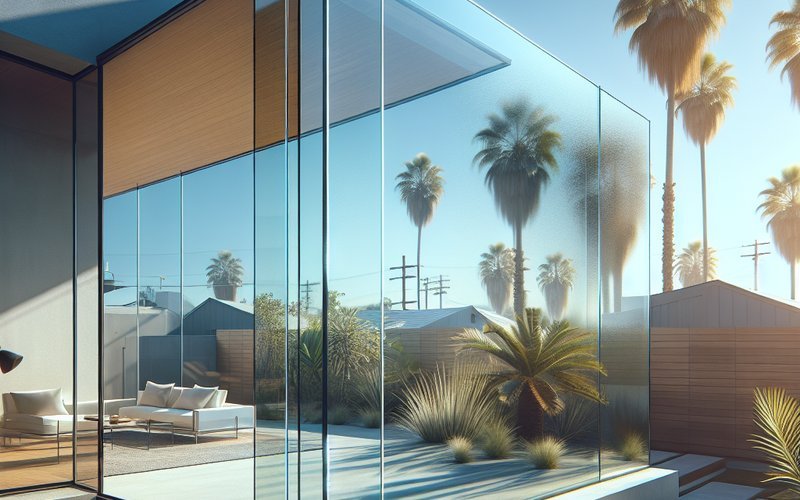
Smart glass works by changing its light transmission on demand, either blocking or admitting solar energy based on your needs. In Los Angeles, where summer temperatures in the San Fernando Valley routinely hit 100°F–110°F, that on-demand control is the whole point.
Electrochromic vs. PDLC: Two Very Different Technologies
There are two main types you’ll encounter. Electrochromic glass uses a thin metal oxide coating that shifts from clear to tinted when a low-voltage current is applied — it transitions gradually over 1–3 minutes and holds its tint state without continuous power. PDLC (Polymer Dispersed Liquid Crystal) glass switches instantly from frosted to clear, but it’s opaque by default when the power is off and clear when powered on. That’s the opposite behavior from what most LA homeowners want for heat management.
For blocking solar heat, electrochromic glass wins. It’s designed specifically for solar control. PDLC is better suited for privacy applications, like a conference room partition or a bathroom window, where heat rejection is secondary. So if your main goal is keeping your home cooler, electrochromic is the right starting point.
How Heat Blocking Actually Works
Both technologies affect visible light, but electrochromic glass also targets near-infrared (NIR) radiation, which is the part of the solar spectrum responsible for that intense heat you feel through a window even on a clear day. When fully tinted, quality electrochromic glass can reject up to 90% of solar heat. That’s a genuine performance number, not marketing language — but it depends heavily on the glass specifications, which we’ll break down next.
UV and Solar Heat Specs That Matter in LA
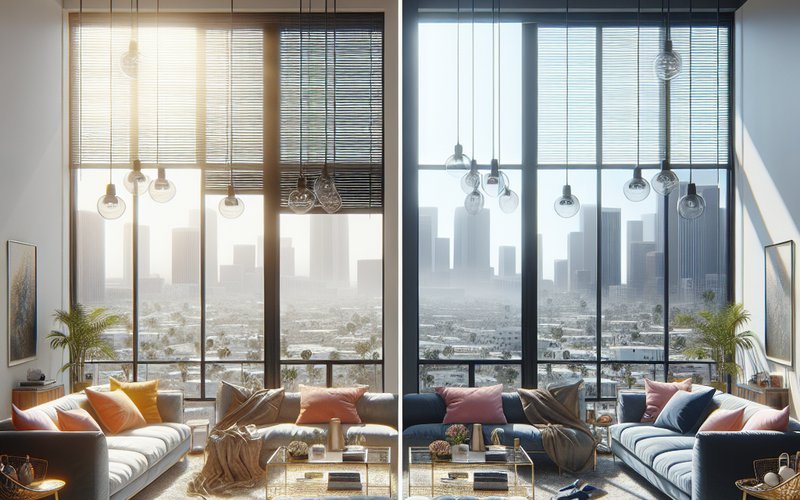
In Los Angeles, the numbers you actually care about are UV rejection, Solar Heat Gain Coefficient (SHGC), and infrared blocking. These three specs determine how well your windows perform in Southern California’s climate zones.
| Specification | Standard Double Pane | Electrochromic (Tinted) | PDLC Smart Glass |
|---|---|---|---|
| UV Rejection | ~25–40% | 95–99% | ~50–70% |
| SHGC (tinted state) | 0.25–0.30 | 0.09–0.14 | 0.20–0.28 |
| Infrared Blocking | ~30–50% | 80–92% | ~40–60% |
| Visible Light (tinted) | N/A | 3–6% transmission | 0% (opaque) |
The SHGC number matters most for Title 24 compliance in California. Los Angeles sits primarily in Climate Zones 9 and 10, where the California Energy Commission sets strict SHGC thresholds for fenestration. In those zones, a maximum SHGC of 0.25 is typically required for west- and south-facing glazing. Electrochromic glass in its tinted state, with an SHGC as low as 0.09, blows past that threshold with room to spare.
UV rejection above 95% also means your furniture, flooring, and artwork aren’t slowly fading, which is a real problem in sun-drenched neighborhoods like Brentwood or Pasadena where homeowners invest heavily in interiors.
Real Energy Savings in LA’s Climate Zones
Smart glass heat reduction in Los Angeles can translate directly to lower SCE bills, but the actual savings depend on which climate zone you’re in and how your home is oriented. In Climate Zone 9, which covers most of the LA basin including Culver City and Burbank, cooling loads are dominated by solar gain through windows — exactly what smart glass targets.
Studies by the Lawrence Berkeley National Laboratory found that electrochromic glazing can reduce cooling energy use by 20–30% in hot climates comparable to Southern California. For a typical 2,000 sq ft home in Los Angeles with standard central air, that translates to roughly $400–$900 per year in cooling cost reductions, depending on window area and orientation.
SCE Rebates and Incentive Programs
Southern California Edison’s Energy Efficiency Programs do cover window upgrades, but the eligibility rules are specific. Smart glass qualifies for rebates when it meets the ENERGY STAR certification threshold and is installed as part of a fenestration replacement project. The rebate range for qualifying window installations through SCE is currently $0.50–$2.00 per square foot, depending on the program tier and whether you’re a residential or commercial customer.
You’ll need to submit your installation paperwork and product specs to SCE through their online portal. Your installer should provide a Manufacturer’s Certification Statement confirming ENERGY STAR compliance. Don’t skip this step — it’s money left on the table if you do.
Title 24 Compliance and LA Permit Requirements
Any window replacement or new glazing installation in Los Angeles requires a building permit through the Los Angeles Department of Building and Safety (LADBS). This applies to smart glass, and there are no shortcuts.
For Title 24 compliance, your smart glass installation must meet California’s fenestration requirements under Part 6 of the Building Energy Efficiency Standards. The key metrics are U-factor and SHGC, and they’re verified during the LADBS plan check process. In Climate Zones 9 and 10, the prescriptive path requires a maximum SHGC of 0.25 and a U-factor of 0.32 or lower for most residential fenestration.
The permit process at LADBS typically works like this:
- Submit an over-the-counter or online permit application through the LADBS ePlanCheck portal
- Include product specs, NFRC certification labels, and a site plan showing window locations
- Plan check review takes 1–3 weeks for residential projects, longer for commercial
- A field inspection is required after installation before the permit closes
Permit fees in Los Angeles vary by project value but typically run $150–$600 for a residential window replacement permit. Budget for it. And don’t hire an installer who suggests skipping the permit — unpermitted fenestration work can complicate your home sale and trigger costly corrections later.
Smart Film vs Smart Glass: Which Works Better for LA Homes
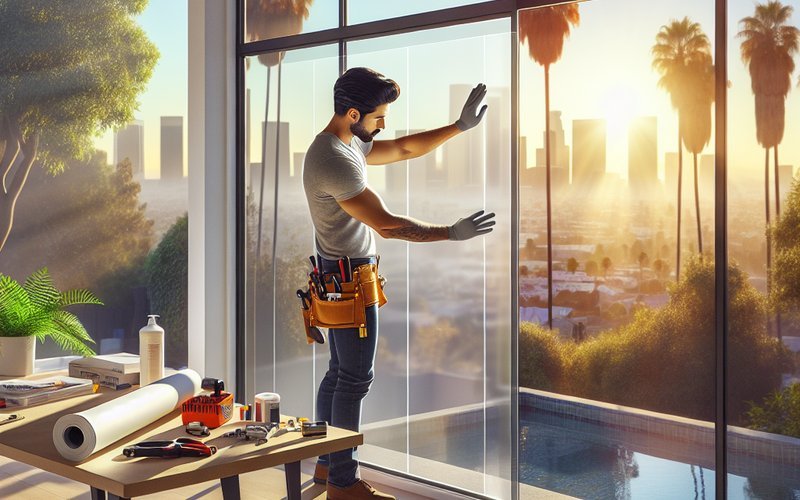
Smart film is an adhesive PDLC layer applied to existing glass, while smart glass is a complete glazing unit with the technology built in. For LA homeowners, the right choice depends on whether you’re retrofitting existing windows or planning new construction or a full window replacement.
| Factor | Smart Film (Retrofit) | Smart Glass (Full Unit) |
|---|---|---|
| Cost per sq ft (installed) | $25–$65 | $85–$200+ |
| Solar Heat Rejection | Moderate (40–60%) | High (up to 90%) |
| UV Blocking | 50–70% | 95–99% |
| Installation Time | 1–2 days (typical home) | 3–7 days (full replacement) |
| Permit Required | Usually no (film only) | Yes (LADBS) |
| Best For | Privacy, moderate heat control | Maximum heat reduction, new builds |
Honestly, smart film is the better starting point for most LA homeowners who don’t want to replace existing windows. It’s a fraction of the cost and can be installed without a permit in most cases. But if you’re building new or replacing windows anyway, going with a full electrochromic smart glass unit gives you significantly better heat performance and a cleaner look.
A homeowner in Studio City recently completed a smart film retrofit on eight windows for about $3,800 total, compared to a neighbor who installed full electrochromic units in a new addition for $22,000. The film performed well for privacy and moderate heat reduction. The full glass units were measurably better on temperature control but made sense only because the windows were being replaced anyway.
Finding a Qualified Smart Glass Installer in Los Angeles
The smart glass market in Los Angeles includes a mix of experienced specialists and generalist contractors who’ve added it to their service list recently. Knowing how to tell them apart saves you money and headaches.
Before you hire anyone, ask these specific questions:
- Are you licensed with the California Contractors State License Board (CSLB), and what is your license number?
- Do you pull permits through LADBS, and will you handle the Title 24 compliance documentation?
- What warranty do you offer on both the product and the installation labor?
- Can you provide NFRC-certified product specs for the glass or film you’re installing?
- Do you have references from Los Angeles installations in the past 12 months?
A legitimate installer should hold a C-17 glazing contractor license or a B General Building contractor license from the CSLB. Warranties on electrochromic smart glass units typically run 10–20 years on the glass itself and 2–5 years on the electrical switching components. Smart film warranties are usually 5–10 years.
For homeowners looking for a specialist with a genuine track record in Southern California, smart glass Los Angeles installations from Pacific Smart Glass cover residential and commercial projects across LA, with proper licensing, permit handling, and Title 24 documentation included in the process. That matters when you’re making a $5,000–$20,000 investment in your home.
Get at least three quotes. Prices in Los Angeles for smart glass heat reduction vary enough that the spread between the lowest and highest bid on the same project can be 40–60%. That’s not always a red flag on the low end — sometimes it’s a newer installer building a portfolio — but you want to understand exactly what’s included before signing anything.
Frequently Asked Questions
Does smart glass actually reduce heat inside an LA home?
Yes. In Los Angeles, electrochromic smart glass in its tinted state can reject up to 90% of solar heat, with an SHGC as low as 0.09. Homeowners in high-sun exposures, like west-facing rooms in the San Fernando Valley or Westside hillside homes, typically notice a significant reduction in radiant heat near windows within the first summer after installation.
What is the difference between smart film and smart glass for Los Angeles windows?
Smart film is an adhesive PDLC layer applied over existing glass, costing $25–$65 per square foot installed in Los Angeles, and is primarily used for privacy and moderate heat control. Smart glass is a complete glazing unit with built-in electrochromic or PDLC technology, costing $85–$200+ per square foot installed, and delivers higher heat rejection, UV blocking, and longer lifespan. Smart film works as a retrofit; smart glass requires window replacement.
How much does smart glass cost in Los Angeles?
In Los Angeles, smart glass installation costs range from $85 to $200+ per square foot for full electrochromic glass units, including installation. A typical 200 sq ft of glazing in a home comes to $17,000–$40,000. Smart film retrofits run $25–$65 per square foot installed, making them a more accessible option. Final costs depend on window size, glazing type, number of units, and whether permit and Title 24 compliance work is included.
Is smart glass compatible with Title 24 in California?
Yes. Electrochromic smart glass is fully compatible with California Title 24 compliance. In Los Angeles Climate Zones 9 and 10, the prescriptive path requires a maximum SHGC of 0.25 and a U-factor of 0.32 or lower for residential fenestration. Most quality electrochromic units exceed those thresholds, with SHGC values as low as 0.09 in tinted state. Your installer must provide NFRC-certified product specs during the LADBS permit process to document compliance.
Does smart glass qualify for Southern California Edison rebates?
Smart glass can qualify for Southern California Edison energy efficiency rebates when the product meets ENERGY STAR certification requirements and is installed as part of a fenestration replacement project. In Los Angeles, current SCE rebates for qualifying window upgrades range from $0.50 to $2.00 per square foot, depending on the program tier. You’ll need a Manufacturer’s Certification Statement from your installer to submit the rebate application through SCE’s online portal.
How long does smart glass installation take in Los Angeles?
In Los Angeles, a residential smart glass installation typically takes 3–7 days for a full window replacement project, depending on the number of windows and site conditions. Smart film retrofits are faster, usually completed in 1–2 days for a standard home. Add 1–3 weeks for LADBS plan check review if permits are required. Product lead times for electrochromic glass units from manufacturers can add 4–10 weeks to the overall project timeline.