
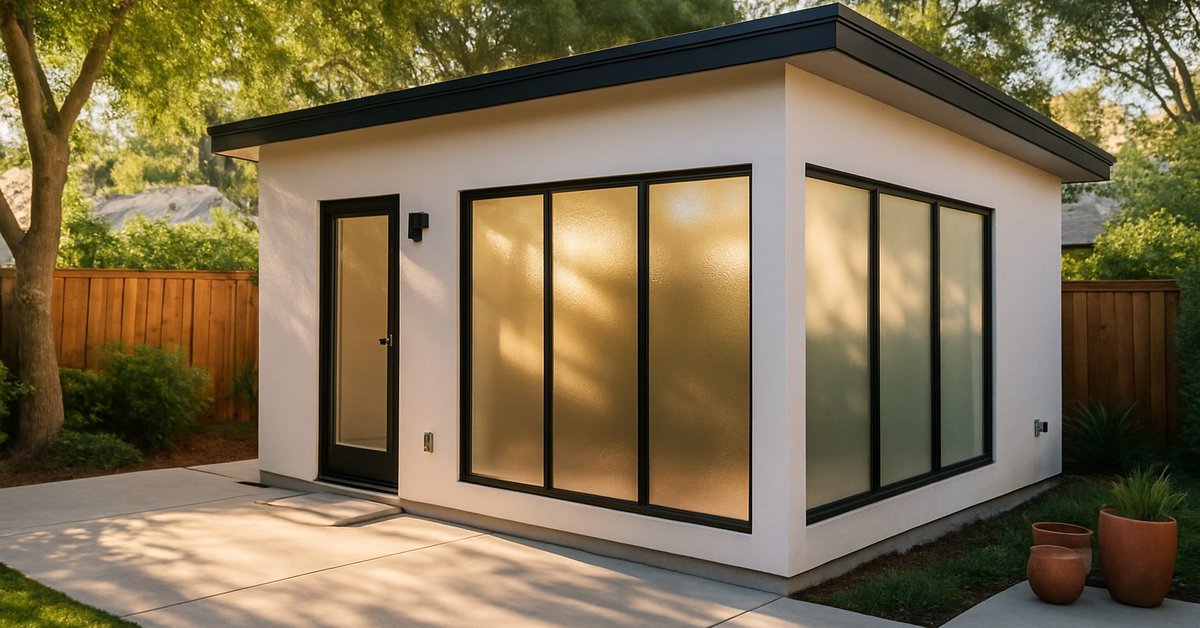
Homeowners searching for a smart glass home office ADU San Jose solution are finding that the same wave of garage and backyard lot conversions sweeping the Bay Area is raising one consistent question: is smart glass actually worth adding to the build? It’s worth it in many cases — but only if you match the right product to the right problem. Smart film on an existing window runs $45–$90 per square foot, while full electrochromic glass panels can push $150–$250 per square foot before installation. San Jose’s dense neighborhoods mean privacy is often the first problem, not energy efficiency. This guide covers costs, product types, permit considerations from the City of San Jose Department of Planning, Building and Code Enforcement, and which neighborhoods are driving the most installs right now.
Get a free estimate from a licensed San Jose smart glass contractor.
Why Are San Jose ADU Owners Asking About Smart Glass Right Now?
San Jose’s ADU construction boom is real and it’s still accelerating. The city approved more ADU permits per capita than almost any other Bay Area city between 2022 and 2025, driven by state housing mandates, high rental demand, and homeowners looking to offset mortgage costs. That surge created a very specific design problem: most of these units are small, close to property lines, and surrounded by neighbors who can see directly into them.
A garage conversion in Willow Glen, for example, often sits just a few feet from a shared driveway or sidewalk. A backyard ADU in Berryessa might face a two-story neighbor who looks directly into the unit’s main window. Standard blinds and curtains solve the privacy issue but kill natural light, which defeats the purpose of building a bright, usable workspace or rental unit.
That’s why smart glass home office ADU searches have spiked in San Jose specifically. Homeowners want a solution that gives them privacy on demand without permanently blocking light. Smart glass and smart film both do that. You flip a switch and the glass goes from clear to opaque. You flip it back and the room fills with natural light again. For a home office, that flexibility is genuinely useful. For a rental ADU, it’s a feature that tenants notice and remember.
And honestly, rising ADU values in San Jose are pushing homeowners to treat these builds as real investments, not temporary fixes. Adding smart glass is one of the few window upgrades that can actually be valued by appraisers as a premium feature, especially in a market where smart glass ROI in the Bay Area is getting more attention from real estate professionals.
What Does Smart Glass Actually Solve in a Garage Conversion or Backyard ADU?
Smart glass solves three specific problems that show up constantly in San Jose ADU projects: privacy, glare, and overheating. Not every project has all three. But if you’re converting a garage with a west-facing roll-up door opening or adding a backyard unit with large windows, you’re probably dealing with at least two of them.
Privacy Without Sacrifice
The privacy problem in a garage conversion is straightforward. The original garage opening typically faces the street or driveway, and even after you install a new wall and windows, the glass is often large and close to foot traffic. Frosted glass is one option, but it’s permanent. Smart film gives you switchable privacy, so you can open the view when the street is quiet and go opaque during calls or when neighbors are nearby.
Glare and Eye Strain in a Home Office
Afternoon glare is brutal in San Jose from May through October. A west-facing home office window with no treatment makes focused work nearly impossible between 2 PM and 6 PM. Smart film dims the intensity without fully blocking the view. It’s not a blackout solution, but it cuts glare enough to work comfortably without forcing you to close the blinds entirely.
Heat Gain in a Small Space
ADUs are small. A 400–600 square foot unit heats up fast in summer. Electrochromic smart glass, the higher-end option, actively reduces solar heat gain by switching to a tinted state. This can meaningfully reduce cooling load in a small unit. Smart film has some heat reduction effect, but it’s less significant than electrochromic glass. If energy performance matters to you, the glass type makes a real difference.
How Much Does Smart Glass Cost for a San Jose ADU or Home Office?
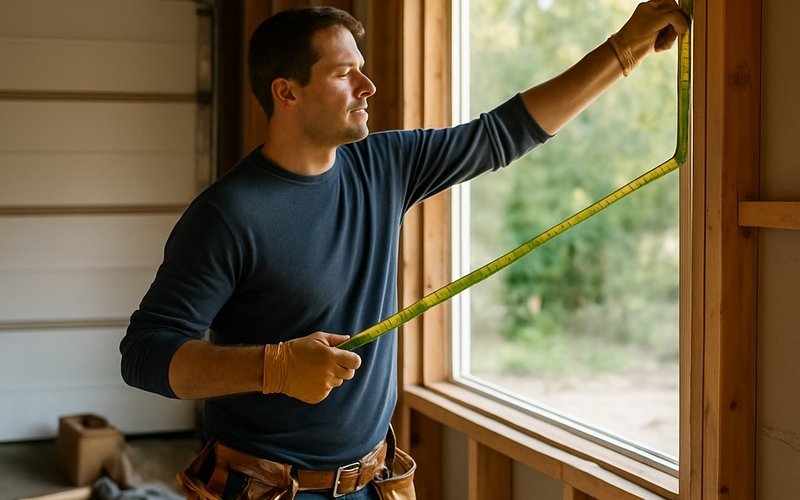
Costs in San Jose reflect Bay Area labor rates, which run higher than national averages. Plan for installation labor between $15–$35 per square foot on top of material costs, depending on the complexity of the job and whether you’re retrofitting film or replacing full glass panels.
| Product Type | Material Cost (per sq ft) | Installed Total (per sq ft) | Best For |
|---|---|---|---|
| Smart Film (retrofit) | $45–$75 | $60–$110 | Existing windows in garage conversions |
| Electrochromic Smart Glass | $100–$200 | $130–$250 | New ADU builds with large window openings |
| PDLC Smart Glass (IGU) | $80–$160 | $110–$200 | Partition walls, sliding doors, interior glass |
| LED Film | $90–$150 | $120–$185 | Display or branding glass in home offices |
A homeowner in the Cambrian Park area recently retrofitted three windows in a 520 sq ft garage conversion for $4,200 total using PDLC smart film. The windows totaled about 48 square feet. The job took one day. That’s a realistic mid-range number for a straightforward San Jose garage conversion with average-sized windows.
For a new backyard ADU build in Berryessa with four large windows and a glass sliding door, expect to budget $8,000–$14,000 for electrochromic glass across the entire unit. That’s a significant line item, but it replaces the cost of window treatments, reduces HVAC load, and qualifies for California Title 24 energy compliance credit in some configurations.
If you’d like an accurate quote for your specific project, check whether your ADU qualifies for California energy rebates that could offset the cost.
Smart Film vs. Smart Glass vs. LED Film: Which One Fits an ADU?
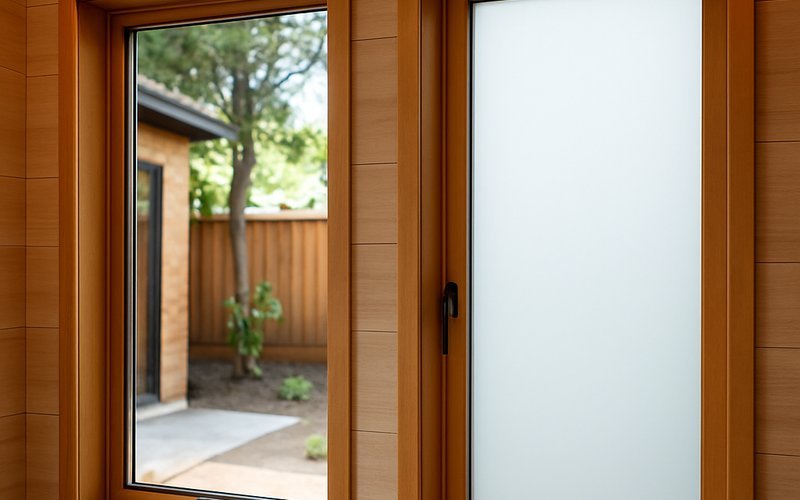
The right product depends on whether you’re retrofitting an existing structure or building new, and what problem you’re primarily trying to solve. Here’s how the three main options compare for ADU applications specifically.
| Feature | Smart Film | Smart Glass (PDLC/EC) | LED Film |
|---|---|---|---|
| Works on existing windows | Yes | No (full replacement) | Yes |
| Privacy on demand | Yes | Yes | Partial |
| Energy performance | Low-moderate | High (especially EC) | None |
| Renter-friendly removal | Yes | No | Yes |
| Smart home integration | Yes (with controller) | Yes (native) | Yes |
| Typical lifespan | 10–15 years | 20–25 years | 8–12 years |
For most San Jose garage conversions, smart film is the practical choice. It retrofits directly onto existing glass, costs significantly less than full glass replacement, and can be removed without damaging the window. That matters if you’re renting the ADU and want flexibility.
Smart glass panels make more sense in a new ADU build where the windows aren’t installed yet. You specify smart glass at the framing stage and it comes in as an insulated glass unit. The cost premium over standard dual-pane glass is real, but you get better thermal performance and a cleaner install with no film edges to manage.
LED film is the niche option. It’s not primarily a privacy product. It’s a display film that can also project images or create a frosted appearance. For a home office that doubles as a video call background or a presentation space, LED film on a glass partition is genuinely useful. It’s rarely the right fit for a standard ADU window. If you want to understand how these products connect to smart home systems like Lutron or Crestron, this guide on smart glass and San Jose home automation covers the wiring and control options in detail.
Which San Jose Neighborhoods Are Installing Smart Glass in ADUs Most?
Three areas of San Jose are generating the most smart glass ADU inquiries right now: Willow Glen, Berryessa, and the Almaden Valley area. Each has a slightly different reason.
Willow Glen homeowners tend to have older homes on smaller lots with dense street frontage. Garage conversions here often face public sidewalks directly. Privacy is the dominant concern, and smart film retrofits are the most common solution because most of the ADUs are built into existing structures rather than new backyard builds.
Berryessa has seen a wave of new ADU construction, partly because lot sizes allow for detached backyard units. These new builds are where electrochromic glass installs are most common. Homeowners here are building from scratch and making deliberate choices about window specifications. The proximity to neighboring two-story homes makes large smart glass windows a practical design decision, not just an aesthetic one.
Almaden Valley projects tend to be higher-budget. Homeowners there are often building ADUs for multigenerational family use rather than rental income, and they’re more likely to invest in full smart glass panels and smart home integration. Average project spend in that area runs $10,000–$18,000 for smart glass across a full ADU.
But don’t assume your neighborhood determines your product. The window layout, orientation, and how close the unit sits to your neighbor’s sightlines matter more than the zip code.
What Does San Jose’s ADU Permit Process Mean for Smart Glass Installs?

In San Jose, smart film applied to existing windows doesn’t typically require a permit on its own. It’s treated as a cosmetic alteration. But smart glass installed as part of a new ADU build, or as a window replacement in an existing ADU, goes through the City of San Jose’s Development Services Department, which oversees building permits for residential projects.
If your ADU is a new construction or a full garage conversion, the windows are part of the permitted scope regardless of what type of glass you specify. Your contractor will include the glass specs in the permit drawings. Electrochromic or PDLC glass panels need to meet California Energy Code (Title 24) requirements, and in many cases they do, which can actually simplify Title 24 compliance documentation.
The electrical connection for smart glass or smart film, which requires a low-voltage wire run to a switch or controller, falls under the electrical permit for the ADU. You don’t need a separate permit for the wiring, but it needs to be included in the overall electrical scope. An unlicensed add-on wired after the fact can create issues at final inspection.
For a detailed breakdown of what San Jose requires for glass-related permits, the smart glass permit guide for San Jose covers the Development Services Department process step by step.
One practical note: smart film installed by a tenant on a rented ADU is almost always a non-permitted alteration. That doesn’t mean it’s illegal, but the landlord should be aware it’s happening, and removal is the tenant’s responsibility at move-out.
What’s the Right Next Step for San Jose Homeowners Ready to Move Forward?
If you’re building a new ADU, specify smart glass at the window stage. Don’t try to retrofit later. The cost of specifying electrochromic or PDLC glass during construction is much lower than cutting walls open after the fact, and your installer can coordinate with the general contractor on rough-in wiring before drywall goes up.
If you’re retrofitting an existing garage conversion or backyard ADU, smart film is almost certainly your starting point. It’s faster, less expensive, and doesn’t require a dedicated permit. A typical three-to-four window retrofit in San Jose takes one to two days from start to finish.
Either way, get quotes from contractors who are familiar with San Jose’s Development Services permit process. Ask specifically whether the film or glass spec they’re proposing has been used in ADU projects in San Jose before. A contractor who knows the local permit workflow will save you delays at inspection.
Pacific Smart Glass works with San Jose homeowners on exactly these kinds of projects, from small smart film retrofits in Willow Glen garage conversions to full electrochromic glass specs for new Berryessa ADU builds. If you want a smart glass los angeles in San Jose contractor who understands both the product and the local permit requirements, they’re worth a call before you finalize your window specs.
The short version: smart glass is worth it in a San Jose ADU when you match the product to the actual problem. Pick smart film for retrofits. Pick electrochromic glass for new builds where energy performance and longevity matter. And get your electrical scope included in the ADU permit from the start, not bolted on later.