
A set of plans can look settled right up until privacy becomes urgent. The low quote shows up, everyone assumes the glass is the easy part, and then the real questions hit at once: can the existing panels actually be retrofitted, who is bringing power to the glass, who owns controls, who is taking final measurements, and who is responsible if the finished result does not perform the way the space needs it to. We see that moment often in Los Angeles, and it is usually the point where a smart glass project stops being a product decision and becomes a scope decision.
At Pacific Smart Glass, we help clients across Southern California sort out the part that most generic service pages skip: what kind of provider your project actually needs before glass is ordered, drawings are locked, or trades drift into separate assumptions. If you are pricing Smart Glass Los Angeles projects, the most important question is not who has the slickest pitch. It is whether the company in front of you can guide design, determine retrofit versus replacement, coordinate wiring and controls, and carry the project through installation without costly handoff gaps.
That matters for homeowners trying to preserve clean sightlines, for designers balancing intent with feasibility, and for contractors and facilities teams who cannot afford rework once schedules tighten. In our experience, the smoother project is usually the one where scope ownership is clear early.
What gives buyers confidence early
Los Angeles projects move fast, and smart glass decisions often get made in the middle of remodels, tenant improvements, custom builds, and privacy upgrades that were not fully defined at the start. That is why early clarity matters more than broad product talk. Buyers generally need a local team that can review site conditions, evaluate whether existing glass is a valid candidate for smart film, determine when replacement glass makes more sense, and coordinate installation details with the surrounding trades.
That is the role we aim to fill through Pacific Smart Glass: not just supplying switchable glass or smart film, but helping organize the project around the right path from the beginning.
The first decision comes before provider comparison
Most smart glass projects in Los Angeles fall into one of three paths, and that path should shape who you hire.
Retrofit smart film
This route applies smart film to suitable existing glass. It can be a strong option when the glass is already installed, the substrate is appropriate, and the goal is to add privacy on demand without replacing the entire assembly. It is often attractive in offices, conference rooms, partitions, and some residential situations where preserving the current glass saves time or avoids broader disruption.
Full switchable smart glass replacement
This path replaces the glass itself with a laminated privacy glass unit designed for the application. It is usually the better conversation when the opening is new, the existing glass is not a good retrofit candidate, exposed edges and durability matter, or the project requires a more integrated custom result. In new construction and higher-end architectural work, this can be the cleaner long-term execution path.
Custom privacy-glass assembly
Some projects are not just film versus replacement. They involve custom dimensions, door integration, specialty hardware, architectural detailing, healthcare considerations, or a more complex glass system that needs privacy performance built into a broader assembly. In those cases, the real issue is not product selection alone. It is whether the provider can manage the full coordination picture.
We walk clients through those distinctions early because once you know the path, it becomes much easier to identify the right kind of company to own it.
How this decision changes by project type
Homes
Homeowners usually arrive with a specific pain point: a bathroom that needs instant privacy, an entry panel that feels exposed at night, a home office with too much visibility, or a view-facing room where curtains would undercut the design. The right answer depends on whether the existing glass can be upgraded cleanly or whether replacement will produce a better result. Residential buyers are often surprised by how important wiring, switch placement, trim details, and final measurement responsibility become once the project is active.
Architects and designers
Design teams often need a partner who can protect the concept while flagging feasibility issues before documentation hardens. That includes identifying whether a partition should stay as a retrofit candidate, whether a custom glass package is more appropriate, how visible edges and hardware affect the specification, and where control planning should live. If no one owns those questions early, design intent can get diluted by field constraints later.
Contractors and builders
For builders, the risk is usually scope fragmentation. One party thinks they are supplying glass, another assumes low-voltage or electrical is someone else’s job, and the controls conversation starts too late. We find that general contractors benefit most from one coordinated smart glass plan that clarifies measurement timing, power requirements, control locations, installation sequencing, and responsibility lines before material is committed.
Offices and commercial interiors
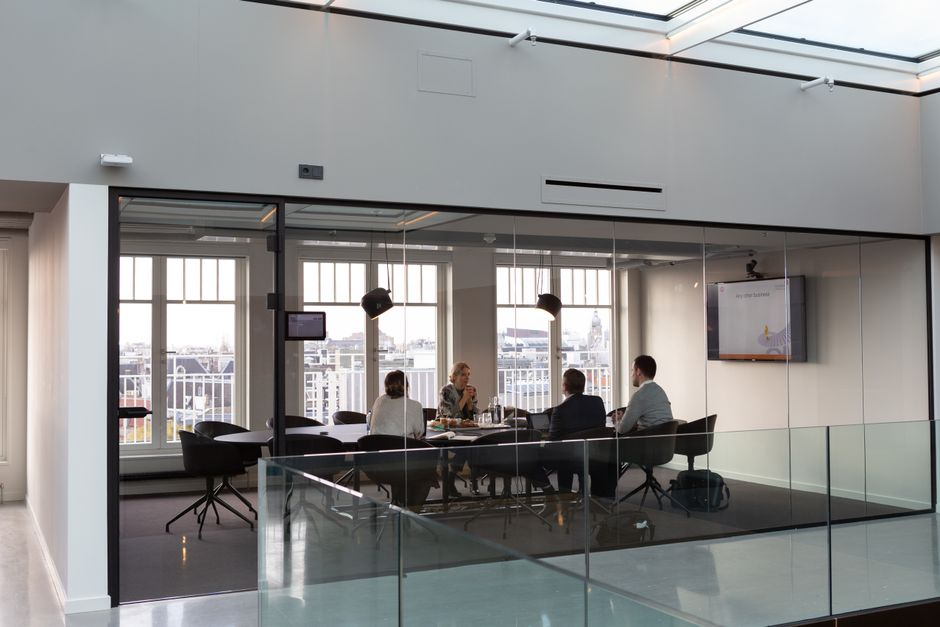
Commercial teams often need privacy that appears only when the room function changes: conference rooms, executive offices, interior fronts, and tenant improvement spaces are common examples. In these projects, retrofit film can be a strong path when existing glass is viable, but not every panel or layout is equally suitable. A provider should be able to assess the site, the schedule, and the finish expectations instead of treating every office wall as the same job.
Specialty environments
Healthcare, hospitality, and other specialty spaces usually demand more than a basic privacy pitch. Cleanability, durability, fabrication details, coordination with the broader build team, and reliable operation all matter. These are the kinds of spaces where a narrow install-only approach tends to show its limits fastest.
What different provider types usually handle—and where gaps appear
In the Los Angeles market, buyers commonly run into three broad provider types. The confusion starts when those categories get treated as interchangeable.
General glass companies
A traditional glass company may be comfortable with standard glazing work, replacement glass, and familiar hardware packages. That can be useful when the project is primarily conventional glass. But smart glass introduces electrical planning, controls, privacy performance expectations, and retrofit-versus-replacement judgment that may sit outside a standard glazing scope. If the provider is not deeply experienced in switchable systems, the project can end up split between too many parties.
Smart film installers
Film-focused providers may be a fit for straightforward retrofit applications on suitable existing glass. The limitation appears when the project really needs a broader evaluation: custom fabrication, replacement glass, edge-detail decisions, electrical coordination, or a more integrated architectural solution. A film quote can look appealing early while leaving bigger execution questions unresolved.
Full-scope smart glass specialists
This is the category we believe many Los Angeles buyers actually need, especially when the project is still being defined. A full-scope specialist should be able to evaluate whether retrofit is appropriate, recommend replacement when necessary, coordinate controls and power planning, manage measurements, and carry the installation through with accountability. That does not just protect the final appearance. It reduces the risk that key decisions fall between vendors.
The point is not that every project needs the most complex path. It is that your provider should be able to tell you honestly which path fits the real conditions, not just the product they happen to sell.
Questions that expose scope gaps before you approve the project
Before you accept a quote or finalize drawings, ask questions that reveal who actually owns the project from beginning to end. In our experience, these six do most of the work:
- Is my project a valid candidate for retrofit smart film, or should this be replacement smart glass instead?
- Who is responsible for site review, field measurements, and confirming the glass or opening conditions?
- Who plans the power path, switch location, control method, and coordination with the electrician or builder?
- If the project involves custom glass, who owns fabrication decisions, lead times, edge details, and hardware compatibility?
- Who installs the system, tests performance, and handles follow-through if something is off after installation?
- What assumptions are not included in the quote that could become change orders later?
If a provider gives vague answers, assumes another trade will solve critical details, or pushes pricing before confirming the execution path, that is usually a warning sign. The cheapest early number can become the most expensive project once coordination problems surface in the field.

How we handle smart glass projects at Pacific Smart Glass
Our approach is built around scope clarity first. We start by reviewing the space, the privacy need, and the project stage so we can determine whether smart film, switchable glass replacement, or a more custom assembly makes the most sense. That matters because the right answer depends on the actual site conditions, the performance expectations, and how the surrounding construction is being managed.
From there, we help define measurements, retrofit feasibility, fabrication requirements where applicable, and the electrical or control considerations that need to be coordinated before installation. We work as a Southern California smart glass specialist, which means the goal is not to drop a product into a confusing project. The goal is to give the project one coherent plan.
Clients come to us for switchable glass, smart film, and related privacy-on-demand solutions, but what they often value most is having one team think through how those pieces connect in the real world. That includes the handoff points that cause trouble when they are ignored: site conditions, timing, wiring, controls, installation sequencing, and post-install verification.
Whether the setting is residential, office, commercial, healthcare, or a design-driven architectural space, we aim to make the decision process less fragmented and the execution path more reliable. You can explore more about our solutions and project support through Pacific Smart Glass in Southern California if you want to see how we approach privacy glass beyond a generic quote request.
Common timing and planning questions
Can existing glass always be upgraded with smart film?
No. Some existing glass is a good retrofit candidate, and some is not. The right answer depends on the glass condition, configuration, application, and finish expectations. That is why site review matters before anyone treats retrofit as a given.
When should electrical planning happen?
As early as possible. Even a clean-looking privacy glass installation depends on a real plan for power and controls. Waiting too long can create avoidable field compromises, especially in remodels and tenant improvements.
Is full smart glass replacement only for large projects?
No. Replacement can make sense on modestly sized projects too, especially when the existing glass is not suitable for film, the design calls for a more integrated assembly, or the application has custom requirements.
Who should be responsible if performance or coordination issues appear?
That is exactly why provider qualification matters. The cleaner projects are the ones where responsibility is defined up front instead of being spread loosely across separate sellers, installers, and trades.
Do lead times differ between retrofit film and replacement glass?
Yes, they often do. Replacement glass and custom assemblies can involve more fabrication planning than a straightforward retrofit, but every project should be evaluated on its actual scope rather than assumptions.
What is the right next step if I am still early in planning?
Get the path clarified before chasing more numbers. If you are somewhere between concept, quoting, and coordination, we can help determine whether your Los Angeles project needs retrofit film, full smart glass, or a custom privacy-glass approach so the rest of the team is working from the same plan. That is usually the smartest point to bring in Pacific Smart Glass—before glass is ordered, drawings are finalized, or an incomplete quote sets the wrong direction.