
Any smart glass multi-family residential developer San Jose is working with knows the pressure to hit tighter Title 24 energy targets while still delivering units that lease or sell at a premium, and smart glass has become one of the few specs that does both. The direct answer: switchable glass and smart film cost more upfront than standard low-E glazing, roughly $45–$95 per square foot installed depending on scope, but it can reduce solar heat gain enough to help a building meet its energy budget without oversizing HVAC, and it gives leasing teams a genuine differentiator in a crowded downtown market. San Jose’s Department of Planning, Building and Code Enforcement reviews these installations under the same energy code path as any other glazing product, which means the compliance paperwork is more straightforward than most developers expect. This guide walks through real cost ranges, how Title 24 treats smart glass, what’s happening at Diridon Station and downtown infill sites, and how to pick an installer who’s actually done multi-family work here. Get a free estimate from a licensed San Jose installer before you finalize your glazing spec.
What Does Smart Glass Cost for a Multi-Family Residential Developer in San Jose?
In San Jose, smart glass for multi-family new construction runs $45–$95 per square foot installed, while smart film retrofits on existing glazing run $12–$28 per square foot. The spread depends on whether you’re specifying electrochromic glass built into the curtain wall or PDLC smart film applied to existing glass, plus how many units and common areas are in scope.
A developer building a 120-unit project near Diridon Station with switchable glass on ground-floor amenity spaces and select unit balconies might budget $180,000–$310,000 for that portion of the glazing package. A smaller infill project, say 40 units with smart film limited to the lobby and leasing office, could come in closer to $35,000–$60,000. Volume matters here: per-unit costs drop meaningfully once you’re ordering glass in bulk for a full building rather than piecing it in unit by unit.
| Application | Product Type | Cost per Sq Ft | Typical Use in San Jose Multi-Family |
|---|---|---|---|
| New construction curtain wall | Electrochromic smart glass | $65–$95 | Amenity decks, lobby glazing, view units |
| Retrofit on existing glass | PDLC smart film | $12–$28 | Common area glass walls, conference rooms |
| Unit-level privacy glazing | Switchable glass panels | $45–$70 | Bathroom windows, ground-floor units facing walkways |
| Accent lighting/branding | LED film | $25–$50 | Lobby signage, leasing office feature walls |
Honestly, most developers don’t spec smart glass across every window. The smarter move financially is targeting it where it does the most work: ground-floor units that need privacy without losing daylight, shared amenity spaces that double as sales tools, and any glazing facing west where solar heat gain is a real Title 24 problem.
Why Are San Jose Developers Specifying Smart Glass in New Multifamily Builds?
San Jose developers are specifying smart glass in new multifamily builds because it solves three problems at once: energy code compliance, privacy on tight infill lots, and a marketable amenity that justifies premium rents. On dense sites where units face each other across narrow setbacks, that’s not a small thing.
Infill lots in San Jose are getting tighter as the city pushes density near transit. When your building is 15–20 feet from the next structure, standard glass with blinds looks cheap and feels exposed. Switchable glass that goes from clear to opaque at the flip of a switch solves the privacy problem without blocking light entirely, which matters for units that are already smaller than they used to be.
It also plays into leasing and sales strategy. A developer marketing units near downtown can point to smart glass as a tech-forward amenity in the same sentence as smart locks and EV charging, and it photographs well for listing materials. That’s not a small factor when you’re competing with a dozen other new buildings within a mile.
How Does Smart Glass Help Meet Title 24 Energy Code in San Jose New Construction?
Smart glass helps meet Title 24 by reducing solar heat gain coefficient (SHGC) dynamically, which lowers cooling loads and can reduce the mechanical system size needed to hit the building’s overall energy budget. In San Jose, new multifamily construction is reviewed under the 2022 Title 24 Part 6 standards as enforced by San Jose’s Department of Planning, Building and Code Enforcement, and glazing performance is one of the biggest levers in the prescriptive and performance compliance paths.
Static low-E glass has a fixed SHGC rating. Smart glass can shift its SHGC across a range depending on tint state, which means your energy consultant can model it more favorably in a performance-path calculation, particularly on west- and south-facing elevations where solar gain is hardest to control. This matters most on buildings with large amounts of glazing relative to wall area, which describes most new multifamily projects going up in San Jose right now given design trends toward bigger windows and glass balconies.
What Your Energy Consultant Needs to Model It Correctly
Your Title 24 consultant will need the manufacturer’s tested SHGC values for both the clear and tinted states, not just a single average number. Submit those early in schematic design, not during permit review, because switching glazing specs after the energy model is built usually means a costly re-run.
- Manufacturer SHGC and U-factor ratings for each glazing state (clear, intermediate, tinted)
- NFRC certification documentation for the specific product line specified
- Control system details if the glass is automated versus manually switched, since automated systems can sometimes qualify for additional credit
- Orientation and percentage of glazing area per elevation, which determines how much weight the glass carries in the overall compliance calculation
Coordinate this with your architect and Title 24 consultant before your building permit submittal to San Jose’s Department of Planning, Building and Code Enforcement, not after. Rework at plan check stage costs more time than getting the glazing spec right up front.
How Is Smart Glass Being Used in Diridon Station and Downtown San Jose Developments?
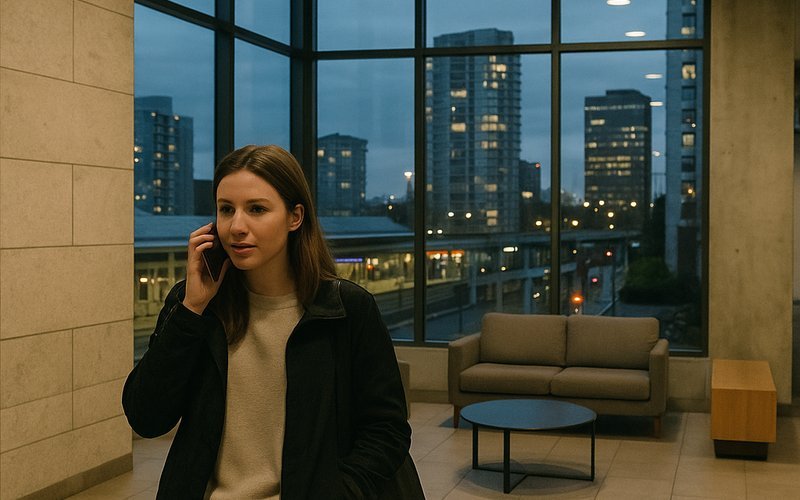
Around Diridon Station and in downtown San Jose infill projects, smart glass is being specified most heavily in ground-floor retail-residential mixed-use buildings and in amenity decks facing the street, where privacy and street-level presentation both matter. These are dense sites with heavy pedestrian frontage, which changes how developers think about glazing compared to a suburban garden-style complex.
The Diridon Station area is being redeveloped around major transit investment, and new residential buildings going up nearby are being designed with taller ground-floor glazing to create an active street presence while still protecting resident privacy at eye level. Smart glass and smart film let a developer keep that transparent, modern storefront look during the day and switch to opaque for privacy in the evening, without installing blinds that would undercut the design intent entirely.
Downtown infill projects closer to San Jose’s core face a similar challenge on a smaller scale: buildings sit close together, courtyards are compact, and unit windows often face directly into a neighbor’s living room or a shared amenity deck. A developer working on a mid-rise near the downtown core recently specified switchable glass on ground-floor units facing the internal courtyard, solving a sightline problem that would have otherwise required permanent frosted glass and killed resale value for those units. That’s the kind of trade-off smart glass avoids: you don’t have to choose between privacy and daylight.
If you’d like an accurate quote for your specific site and unit mix, it helps to loop in an installer early, before glazing packages go out to bid, so the cost gets baked into your pro forma rather than treated as a change order.
Can Smart Film on Common Area Glass Cut HOA Maintenance Costs in San Jose Apartment Buildings?
Yes. Smart film applied to common area glass walls in San Jose apartment and condo buildings reduces the need for blinds, curtains, and frosted film replacement, which are recurring HOA maintenance line items that add up over a building’s life. Blinds in shared lobbies and amenity rooms get damaged, discolored, or simply worn out within 3–5 years, and replacing them across a whole building is a real budget hit.
Smart film has a functional lifespan closer to 10–15 years with minimal upkeep, since there are no moving parts to break, no cords to replace, and no fabric to fade in San Jose’s strong summer sun. For an HOA board managing a fixed reserve budget, that’s a predictable cost instead of a recurring surprise. It also solves a problem blinds can’t: privacy on demand for shared conference rooms, co-working nooks, and package rooms that need to switch between open and private throughout the day.
An HOA board overseeing a mid-size condo building near downtown recently replaced worn blinds in their shared lobby and conference room with smart film, budgeting it as a capital improvement rather than an annual maintenance line, which is generally the right way to think about it financially. For anyone managing an existing building rather than new construction, our guide on residential privacy glass installation near you covers what that retrofit process looks like in more detail.
Smart Film vs. Smart Glass vs. LED Film: Which Fits Which Unit Type?
Smart film fits best on existing glass in retrofit and common-area applications, smart glass (electrochromic) fits best in new construction curtain wall and high-end units, and LED film fits best where you want branding, lighting effects, or amenity-space visual impact rather than pure privacy function. Choosing the wrong one for the application is the most common mistake developers make when specifying too fast.
| Product | Best Fit | Lifespan | Typical San Jose Application |
|---|---|---|---|
| Smart Film | Retrofits, common areas, budget-conscious units | 10–15 years | Lobby glass, leasing offices, existing window retrofits |
| Smart Glass | New construction, premium units, amenity decks | 20–25 years | Curtain wall, view units, ground-floor privacy glazing |
| LED Film | Branding, accent lighting, marketing spaces | 8–12 years | Lobby feature walls, leasing center signage |
For studio and one-bedroom units on tighter budgets, smart film retrofitted into standard glazing gets most of the privacy benefit at a fraction of the cost of full switchable glass. For penthouse or premium view units where you’re already commanding a rent premium, electrochromic smart glass built into the curtain wall makes more sense since it’s rated for a longer service life and integrates with building automation systems. LED film rarely goes in individual units at all. It’s almost always a common-area or leasing-office spec, since its value is visual impact rather than privacy.
What Permits Does San Jose Require for Smart Glass in Multi-Family Construction?
Smart glass in San Jose multi-family construction is permitted under the standard building permit for glazing and, when tied to electrical controls, requires an electrical permit reviewed by San Jose’s Department of Planning, Building and Code Enforcement. There’s no separate “smart glass permit,” but the product’s electrical and energy components each trigger their own review.
For new construction, the glazing spec is reviewed as part of the overall building permit set, including the Title 24 energy compliance documents (CF1R forms) that reference the specific glazing product and its performance ratings. If the smart glass is automated (tied to sensors, a building management system, or scheduled controls), that control wiring falls under a standard electrical permit, same as any other low-voltage building system. Retrofitting smart film into existing common areas as a standalone project generally doesn’t require a building permit if no glazing is being replaced and no structural or electrical work is involved, though HOA boards should still confirm with San Jose’s Department of Planning, Building and Code Enforcement on a project-specific basis, particularly in buildings with historic overlay or design review conditions attached to the original entitlement.
What Are the Downsides of Smart Glass Developers Should Plan For?
The main downsides are higher upfront cost compared to standard glazing, longer lead times on electrochromic products, and the need for electrical coordination if the system is automated. None of these are dealbreakers, but they need to be planned for at the schematic design stage, not discovered during construction.
Electrochromic glass often has lead times of 10–16 weeks from order to delivery, longer than standard insulated glass units, which means it needs to be ordered early in the construction schedule to avoid holding up glazing installation. Smart film retrofits move faster, typically 2–4 weeks from order to install, since it’s applied to existing or newly installed standard glass rather than manufactured into the unit itself.
Cost is the other real factor. A developer chasing the tightest possible construction budget may balk at paying 2–3 times the cost of standard glazing for switchable functionality. The honest answer is that it doesn’t pencil for every unit type. It pencils best where privacy or energy performance genuinely adds leasing or resale value, which usually means ground-floor units, amenity spaces, and premium view units rather than every window in the building.
How to Find the Right Smart Glass Installer for a San Jose Multi-Family Residential Developer Project
The right installer for a San Jose multi-family project has direct experience coordinating with general contractors on new construction glazing packages, not just retrofit work in single homes. That distinction matters more than most developers realize when they’re vetting bids.
Ask any installer you’re considering how many multi-family units they’ve worked on in San Jose specifically, and ask for references from a general contractor, not just a homeowner. Multi-family glazing installation involves coordinating with the curtain wall subcontractor, electricians for automated systems, and the project’s Title 24 consultant, which is a different scope of work than installing film in a single bathroom window.
- Confirm they can provide NFRC-certified SHGC documentation for your Title 24 compliance submittal
- Ask about lead times for electrochromic glass versus smart film so you can build it into your construction schedule
- Check whether they’ve worked on projects near Diridon Station or downtown San Jose infill sites, since those sites have specific density and setback considerations
- Get a warranty in writing that covers both the glass product and the switching mechanism separately
Pacific Smart Glass has worked on residential and multi-family privacy glass installations across San Jose, and if you’re evaluating smart glass for an upcoming project, getting a site-specific quote early helps you build accurate numbers into your pro forma. Reach out for a free estimate before your glazing package goes out to bid.