
Getting a smart glass permit San Jose Santa Clara County residents often ask about isn’t a simple yes or no answer. Whether you need permits depends almost entirely on how your system is powered. Plug-in or battery-operated? You’re likely fine. Hardwired into your home’s electrical system? You’ll need permits before work begins. Here’s what the rules actually say.
The Short Answer: It Depends on How Your Smart Glass Is Wired
In San Jose, smart glass installations that require hardwiring to a dedicated circuit trigger both an electrical permit and, in some cases, a building permit. That’s the line most homeowners don’t know exists until they’re already mid-project.
San Jose’s Department of Planning, Building and Code Enforcement (PBCE) governs residential and commercial construction permits in the city. Their rules generally follow the California Electrical Code, which treats any new hardwired low-voltage or line-voltage connection as permit-eligible work. Self-adhesive smart film installed over existing glass, with no wiring beyond a standard plug-in transformer, typically falls below the PBCE’s permit threshold.
So the short version: the product matters less than how it’s powered. A PDLC smart glass panel wired into your breaker panel? Permit required. Smart film with a plug-in controller? Almost certainly no permit needed. But don’t assume — if you’re in an HOA or replacing actual glass panes, there may be additional layers even for simpler installs.
San Jose Permit Requirements by Product Type
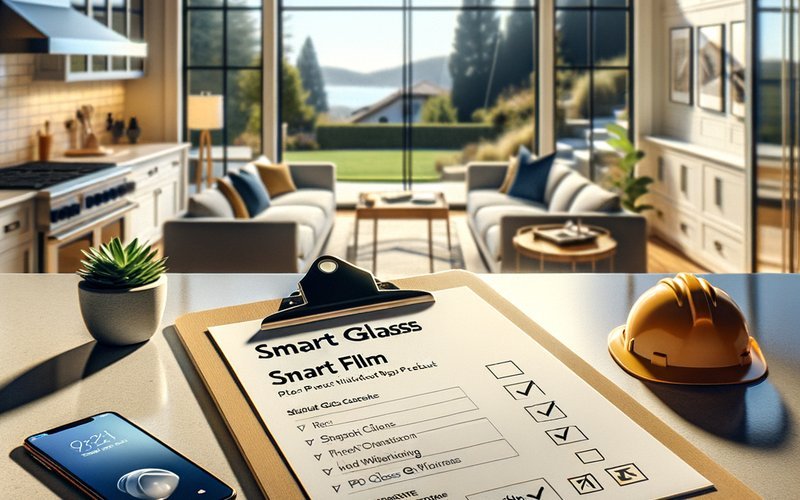
In San Jose, not all smart glass products fall under the same regulatory category. The PBCE evaluates installations based on the scope of electrical work and whether any structural glazing changes are involved, not just the product name.
| Product Type | Permit Required? | Permit Type | Typical Cost | Notes |
|---|---|---|---|---|
| PDLC Smart Glass (hardwired) | Yes | Electrical + possibly Building | $150–$600+ | Requires licensed C-10 contractor for electrical work |
| Self-Adhesive Smart Film (plug-in) | No | None required | $0 | No structural or electrical changes to existing window |
| LED Film (hardwired display) | Usually Yes | Electrical permit at minimum | $150–$450 | Gray area — depends on amperage draw and installation method |
| Smart Glass Panel (replacing existing pane) | Yes | Building + Electrical | $250–$800+ | May trigger Title 24 energy compliance review |
| Smart Film (battery-powered controller) | No | None required | $0 | Fully exempt if no new wiring involved |
LED film sits in a real gray area. Some installations use low-draw USB-connected controllers that don’t trip any permit thresholds. Others involve dedicated circuit connections that absolutely do. Your installer should be able to tell you which category your specific setup falls into before you sign anything.
The City of San José’s online permits portal lets you check permit status, apply for some permits online, and confirm whether your project type requires an in-person submittal. It’s worth checking early rather than after you’ve already purchased materials.
Electrical Permits for Hardwired PDLC Smart Glass in Santa Clara County
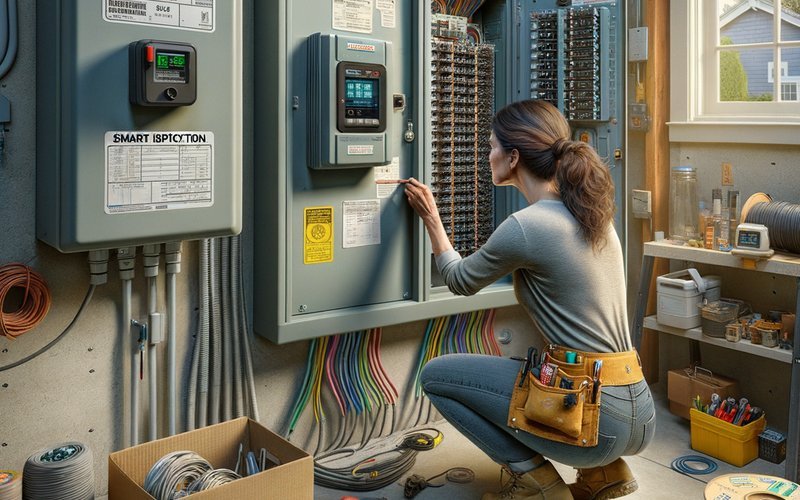
Hardwired PDLC smart glass in Santa Clara County requires an electrical permit pulled by a licensed contractor. This isn’t optional, and it’s not something a handyman can do for you.
Who Can Pull the Permit
In San Jose, electrical work connected to hardwired smart glass must be performed by a California-licensed C-10 Electrical Contractor. The C-10 license covers line-voltage and low-voltage electrical installations, and the contractor is responsible for pulling the permit with the San Jose PBCE before work starts. You as the homeowner can sometimes pull your own permit for work you personally perform on your primary residence, but smart glass hardwiring is technical enough that most PBCE plan checkers will want to see a licensed contractor on record.
City vs. County Jurisdiction
Here’s something that trips people up. If your property is inside San Jose city limits, you deal with the San Jose PBCE. If you’re in an unincorporated area of Santa Clara County, like parts of the hills above Almaden Valley or areas near Coyote, you’d file with the Santa Clara County Department of Planning and Development instead. The permit requirements are similar but not identical, so confirm your jurisdiction before you start the application process.
For most San Jose neighborhoods, including Willow Glen, Blossom Valley, Berryessa, and Rose Garden, the city PBCE handles everything. Inspections for electrical work typically happen after rough-in and again at final completion. Budget 2 to 4 weeks for permit approval and inspection scheduling, though some straightforward electrical permits get approved faster through the city’s online system.
Building Permits: When Replacing Glass Panes Triggers Additional Review
Swapping out an existing glass pane for a smart glass unit isn’t just a glazing swap in the eyes of the PBCE. It can trigger a building permit and a Title 24 energy compliance review, depending on the size and location of the glass.
| Scenario | Building Permit? | Title 24 Review? | Estimated Permit Fee | Timeline |
|---|---|---|---|---|
| Film applied to existing glass, no structural change | No | No | $0 | N/A |
| Replacing glass pane in existing frame (same size) | Sometimes | Possible | $180–$350 | 1–3 weeks |
| New window opening or enlarged glazing area | Yes | Yes | $400–$1,200+ | 3–6 weeks |
| Commercial storefront smart glass installation | Yes | Yes | $600–$2,500+ | 4–8 weeks |
California’s Title 24 energy code governs the thermal performance of windows and glazing. If you’re replacing a pane with a smart glass unit that has different U-factor or Solar Heat Gain Coefficient (SHGC) values than the original glass, a compliance check may be required. Your installer should provide the product’s NFRC-rated specs so the PBCE plan checker can confirm compliance without sending you back for revisions.
A homeowner in the Rose Garden neighborhood recently replaced three large living room windows with hardwired PDLC smart glass panels. The project required both an electrical permit and a building permit for the glazing replacement, adding about $520 in permit fees and three weeks to the project timeline. Not a dealbreaker, but it’s the kind of thing you want to know upfront rather than after you’ve scheduled your installer.
HOA Rules in Willow Glen, Almaden Valley, and Other San Jose Communities

Before you ever contact the PBCE, you need HOA approval if your property is governed by a homeowners association. In San Jose neighborhoods like Willow Glen and Almaden Valley, HOA architectural review committees often have the final say on exterior appearance changes, and smart glass can fall squarely into that category.
HOAs in these neighborhoods typically care about one thing: what your windows look like from the outside. Smart glass in its “off” state (when the film is opaque) changes the visual appearance of your windows from the street. Some HOA boards in Almaden Valley have flagged this during architectural review, particularly on front-facing windows. It doesn’t mean you’ll be denied, but you need to submit your request before work starts.
Common reasons HOA committees push back on smart glass requests include:
- The opaque state creates a reflective or noticeably different appearance compared to neighboring homes
- The installation plan doesn’t specify what the glass will look like in its default powered-off state
- The contractor isn’t on the HOA’s approved vendor list (some communities require this)
- The application doesn’t include a product spec sheet or render showing the finished appearance
The sequence matters. Get HOA approval first, then file for city permits. If you do it the other way around and your HOA rejects the project, you’ve wasted permit fees and possibly nonrefundable deposits. Some HOA approvals in Willow Glen take as little as two weeks; others run six to eight weeks if they only meet quarterly.
What Skipping a Permit Actually Costs You in San Jose
Skipping the permit process for hardwired smart glass in San Jose isn’t just a rule violation. It’s a financial risk that follows your property for years.
If the city discovers unpermitted electrical work, either through a complaint, a neighboring inspection, or a code enforcement sweep, you’ll face a retroactive permit process. In San Jose, retroactive permits for electrical work typically cost double the standard permit fee, plus any required corrective work to bring the installation up to current code. That can add up to $800–$2,000 in unexpected costs, not counting what you might need to tear out and redo.
Resale is the bigger long-term issue. When you sell your home in San Jose, you’re required to disclose unpermitted work. Buyers’ agents know how to search permit histories, and unpermitted electrical work is a common negotiating chip. You might end up cutting your sale price by more than the permit ever would have cost, or dealing with a last-minute permit scramble right when you can least afford the stress.
And if a fire or electrical fault ever traces back to your smart glass installation, an unpermitted job creates real insurance complications. Some policies have exclusions for damage caused by work that required a permit but didn’t have one. That’s a conversation you don’t want to have after the fact.
How to Get Your Smart Glass Permitted in San Jose: Next Steps
The smartest move you can make on a smart glass permit in San Jose or Santa Clara County is to contact the PBCE before you buy anything. A quick pre-application inquiry can tell you exactly what’s required for your specific project, property type, and product. It takes one phone call or an online inquiry, and it can save you weeks of rework.
Your Compliance Checklist
- Confirm your property’s jurisdiction: San Jose PBCE or Santa Clara County Planning and Development
- Check HOA requirements and submit your architectural review request early
- Identify whether your smart glass product requires hardwiring or runs on a plug-in transformer
- Ask your installer for NFRC-rated product specs if you’re replacing glass panes
- Verify your installer holds a California C-10 license if electrical work is involved
- Use the San José online permits portal to apply or check status
Working with an installer who already knows the San Jose permit process is half the battle. The team at Pacific Smart Glass in San Jose handles permit coordination as part of the installation process, so you’re not left figuring out PBCE submittal requirements on your own.
Honestly, most smart glass projects in San Jose go smoothly from a permit standpoint once the homeowner knows what category their installation falls into. The problems come when people assume no permit is needed because the product is “high-tech” or “just a film.” The city doesn’t care what you’re calling it. It cares whether you ran new wire. Know that before you start, and you’ll be fine.
Frequently Asked Questions
Do I need a permit to install smart film on existing windows in San Jose?
In San Jose, self-adhesive smart film applied to existing windows without any hardwiring does not require a permit from the PBCE. If the film uses a plug-in transformer and no new electrical circuits are added, the installation falls below the permit threshold under the California Electrical Code and San Jose’s local building rules.
What electrical permit is required for hardwired smart glass in Santa Clara County?
In Santa Clara County, hardwired smart glass installations require an electrical permit issued by either the San Jose PBCE (for properties within city limits) or the Santa Clara County Department of Planning and Development (for unincorporated areas). The work must be performed by a California C-10 licensed electrical contractor, and the permit must be pulled before installation begins.
How much does a smart glass permit cost in San Jose?
In San Jose, electrical permits for hardwired smart glass typically cost between $150 and $600 depending on the scope of work. If a building permit is also required because you’re replacing glass panes, total permit fees can range from $250 to $1,200 or more for residential projects. Commercial installations run higher, often $600 to $2,500+.
Does my HOA in Willow Glen or Almaden Valley need to approve smart glass before the city does?
Yes. If your San Jose property is governed by an HOA in communities like Willow Glen or Almaden Valley, you should get HOA architectural committee approval before filing for city permits. HOA review timelines vary from two to eight weeks, and approval is not guaranteed if the installation changes the exterior appearance of your windows.
Can I install smart glass myself or do I need a licensed contractor in San Jose?
In San Jose, homeowners can sometimes pull their own permit for work on their primary residence. However, hardwired smart glass installations involve electrical work that most PBCE plan checkers expect to be performed by a licensed C-10 contractor. Self-adhesive smart film with a plug-in controller requires no license and no permit, making it a genuinely DIY-friendly option.
What happens if I install hardwired smart glass without a permit in San Jose?
Installing hardwired smart glass without a required permit in San Jose can result in retroactive permit fees at double the standard rate, mandatory corrective work to meet current code, and required disclosure of unpermitted work when you sell your home. In some cases, code enforcement fines apply. The total financial exposure can reach $800 to $2,000 or more, compared to permit costs of $150 to $600 if done correctly upfront.