
The rise of **switchable glass partitions co-working San Jose** operators are adopting has quietly transformed how shared spaces function across the city, putting a button-press solution at the center of modern office design. Instead of tearing down drywall or renegotiating leases every time a tenant’s privacy needs change, smart glass gives operators instant flexibility: open floor plan one minute, private meeting room the next. If you run a shared office, manage a tech accelerator, or lease space in North San Jose, this guide covers everything you need to make a real decision.
Why San Jose Co-Working Operators Are Ditching Fixed Walls
Fixed walls are a liability in a flexible lease environment. In San Jose’s competitive co-working market, operators who lock in a specific floor plan lose the ability to adapt when a startup triples in size or a member needs a private pod for investor calls.
The demand for on-demand privacy has grown fast. Tenants at spaces like WeWork’s San Jose locations and Local Ventures co-working hubs don’t just want an open desk. They want a space that can shift with them. A private room for 45 minutes, then back to open collaboration. Fixed walls can’t do that. Switchable glass partitions for co-working San Jose spaces solve this without a single nail in the drywall.
Startup culture in the South Bay accelerates this trend. Founders at SJSU’s incubator programs or Bixby Park-area accelerators are used to iterating fast. They expect the physical environment to be just as flexible. And landlords who want to attract these tenants are starting to understand that smart glass is a lease-winning amenity, not a luxury.
The practical argument is simple: a switchable partition costs a fraction of a renovation and can be removed cleanly when a lease ends. That’s a compelling pitch for both operators and their building owners.
Smart Film, Smart Glass, or LED Film: Which Product Fits Your Space
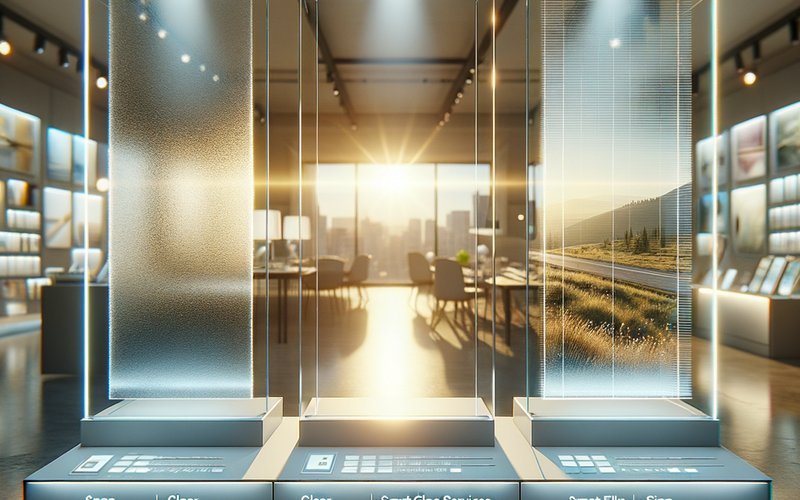
The right product depends on whether you’re retrofitting existing glass, building new, or trying to add a branding layer to your partitions. These are three different products with different use cases, and the wrong choice can cost you significantly more than necessary.
| Product | Best For | Applied To | Typical Cost Per Sq Ft | Lease Type Fit |
|---|---|---|---|---|
| Smart Film | Existing glass partitions | Applied to current glass surface | $25–$45/sq ft installed | Short-term or standard lease (removable) |
| Smart Glass | New builds or full replacements | Replaces existing glass panel entirely | $65–$120/sq ft installed | Long-term or owner-occupied |
| LED Film | Branding, presentations, or signage | Applied to glass surface | $80–$150/sq ft installed | Marketing-heavy spaces, event venues |
Smart film is the go-to for most co-working tenants in San Jose. It applies directly to existing glass, switches from clear to frosted via low-voltage electricity, and can be removed at lease end without damaging the glass beneath. For a space with existing frameless glass partitions, this is almost always the fastest and most cost-effective path.
Smart glass is a different conversation. It’s built into the glass itself, which means it’s a permanent installation. For an operator who owns their building or has a long-term lease in North San Jose, it makes sense. For a two-year tenant at a shared office near Santana Row, probably not.
LED film is a third option that’s gaining traction in San Jose accelerator spaces. It lets you display branding, presentations, or directional graphics on your partition glass. Some tech accelerators near SJSU use it to display sponsor logos or pitch event branding. It adds privacy when activated, but its primary value is visual communication.
So which one is right for you? Ask yourself this: how long is your lease, and do you need to restore the space to original condition when you leave? If the answer to the second question is yes, smart film is almost certainly your product.
Real Installation Costs for San Jose Co-Working Spaces
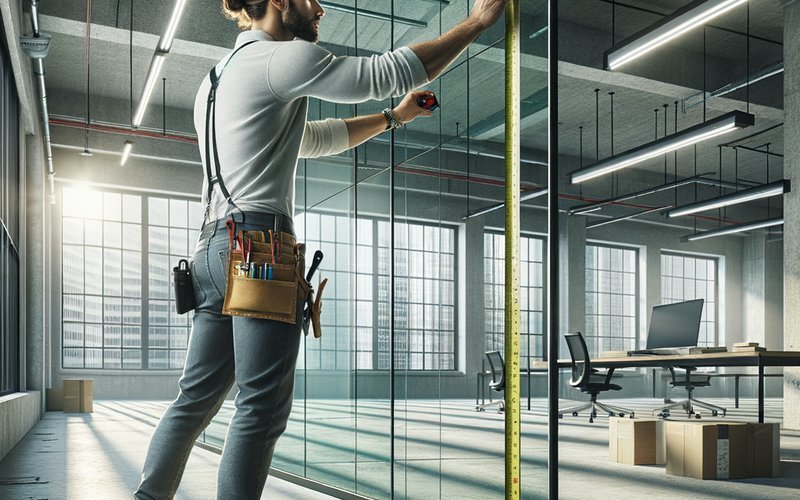
Here’s what San Jose operators are actually paying in 2024 and 2025. These numbers reflect real project scopes, not manufacturer estimates.
| Project Type | Typical Size | Estimated Total Cost | Timeline |
|---|---|---|---|
| Smart film retrofit (single zone) | 80–120 sq ft of glass | $2,800–$5,400 | 1–2 days |
| Smart film retrofit (multi-zone, 3–5 rooms) | 300–500 sq ft of glass | $9,500–$18,000 | 2–4 days |
| Smart glass replacement (single conference room) | 60–100 sq ft of glass | $8,000–$14,000 | 3–5 days |
| LED film (branding wall or full partition) | 50–150 sq ft of glass | $5,500–$22,000 | 2–3 days |
Retrofit vs. Full Replacement
The cost gap between retrofitting and replacing is real. A smart film retrofit on existing glass partitions at a co-working space in North San Jose will typically run 60–70% less than replacing that same glass with built-in smart glass units. If your existing glass is in good condition, retrofit is usually the smarter financial call.
Hidden Electrical Costs
This is where budgets get surprised. Smart film and smart glass both need a low-voltage power source run to each panel. In older San Jose office buildings, especially those in the downtown SoFA District or older North First Street corridors, getting power to the right places can add $500–$2,000 per zone in electrical work. Ask your installer for a full electrical assessment before you lock in a quote. A good installer will include this in their walkthrough. A less experienced one will quote the film, then surprise you later.
Multi-zone installs also give you pricing flexibility. Most installers price volume discounts at 3 or more zones, dropping the per-square-foot cost by roughly 10–20%. If you’re planning to eventually do the whole floor, it often makes financial sense to scope the full project upfront rather than adding zones one at a time.
How San Jose Tech Accelerators Create On-Demand Meeting Pods
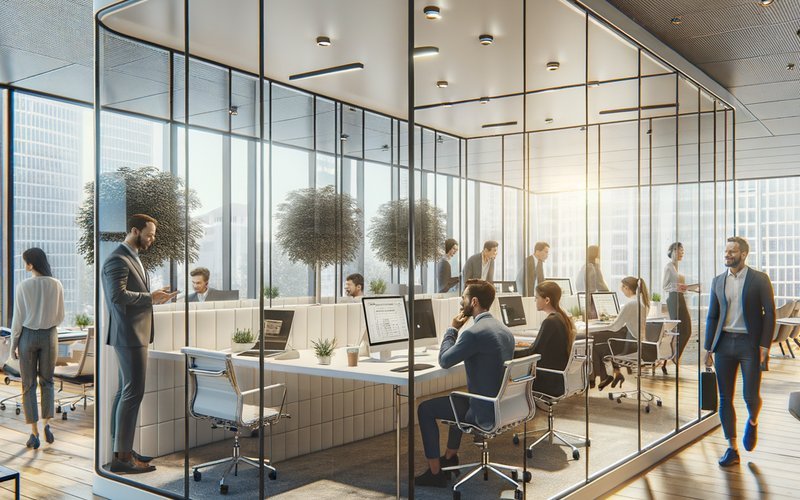
The most practical use case in San Jose right now is the open floor converted into a flexible pod system. Think of a 3,000-square-foot accelerator floor in North San Jose, currently all open workspace, where three or four glass partition runs can create temporary private zones on demand.
Accelerators near SJSU, like those housed in the SJSU College of Business incubator programs or startup clusters around South First Street, frequently deal with the same challenge: they need open collaboration space most of the time, but they also need private rooms for investor calls, sensitive HR conversations, or focused deep work. Building permanent rooms eliminates the open-space feel. Smart film partitions solve this without compromise.
Controller and Automation Options
How you control the glass matters a lot for daily usability. Basic setups use a simple wall switch or button to toggle each zone. That works fine for a single conference room. But for a multi-zone accelerator floor, you’ll want something smarter.
Most San Jose installations now integrate with one of three control systems: a dedicated smart glass controller panel, integration with existing building automation systems (BAS), or a mobile app via Bluetooth or Wi-Fi. Some spaces at North San Jose tech campuses have connected their smart film zones to their room booking software, so the glass automatically goes opaque when a room is reserved and clears again when the booking ends. That kind of automation is straightforward to configure and adds real operational value for a busy accelerator.
A co-working operator in the Japantown area of San Jose recently used a four-zone smart film system with mobile app control to convert a previously underused open section into four bookable pods. Members pay a per-hour rate for private pod use. The system paid for itself in under 14 months based on pod booking revenue alone. That’s the business case in plain terms.
Tenant vs Landlord: Who Approves the Install in San Jose
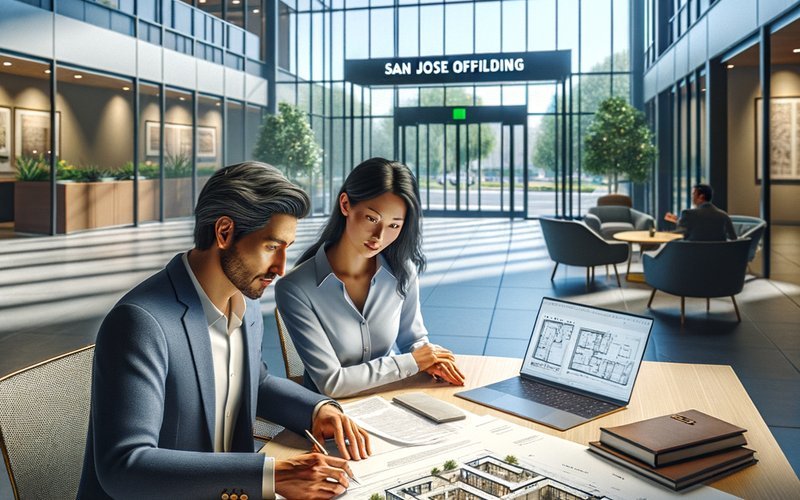
In San Jose, the answer depends on whether the installation is reversible and whether it involves electrical work. Both of those factors determine who needs to be involved and what approvals you need.
Start with your lease. Most commercial leases in Santa Clara County require written landlord consent for any alteration to the premises. Smart film applied to existing glass is typically considered a cosmetic alteration, similar to window tinting. Smart glass replacement, however, involves modifying the building’s glazing system, which is a structural alteration and almost always requires landlord written approval and likely a building permit.
Santa Clara County Permit Requirements
For smart film-only installs with no new electrical runs, most San Jose projects fall below the threshold for a building permit. But the moment you’re adding new low-voltage wiring, you’re in permit territory. The City of San Jose’s Department of Planning, Building and Code Enforcement handles commercial tenant improvement permits. A low-voltage electrical permit in San Jose typically takes 2–4 weeks for approval through standard processing, or 5–10 business days with an over-the-counter express review for straightforward scopes.
Reversible installs make the tenant-landlord conversation much easier. Smart film can be peeled off existing glass without damage, which means you’re not altering the building permanently. Many San Jose landlords will approve this in writing with a simple email or lease addendum, without requiring a formal TI process.
But don’t skip that written consent step. Even if your landlord seems flexible, get it documented. If the building sells or management changes, you want proof that the installation was approved. For guidance on how permits and landlord approvals compare in similar California markets, the smart glass guidance for renters and landlords offers a useful framework that applies broadly to California commercial tenants as well.
Timeline expectation: plan for 2–6 weeks from first conversation to install start if you need both landlord approval and an electrical permit. If you’re doing a film-only retrofit with pre-existing power access, you can often move from signed quote to completed install in under two weeks.
Getting Your San Jose Smart Glass Installation Done Right
The quality of your switchable glass partition installation in a San Jose co-working space depends almost entirely on who does the work. A poorly applied film will bubble, delaminate at the edges, or show streaks that permanently reduce clarity. A good installer leaves you with glass that looks factory-built and operates reliably for years.
Questions to Ask Before You Hire
- Have you completed commercial co-working or office installations in San Jose or the South Bay?
- Do you handle the electrical rough-in, or will I need a separate electrician?
- What film or glass brand do you use, and what’s the warranty?
- Can you provide references from similar-sized office installs?
- What does your post-installation support process look like if something fails?
Those five questions will filter out the inexperienced installers fast. Anyone who hesitates on the warranty question or can’t name a local commercial reference is a red flag.
Working With Pacific Smart Glass in San Jose
For co-working operators and tech accelerators in San Jose, Pacific Smart Glass serves the South Bay market directly. Their team handles smart film retrofits, smart glass replacement, and LED film installs for commercial spaces, and they’ll scope both the film work and the associated electrical needs in a single site visit. You can see their full service offerings and request a quote at Pacific Smart Glass’s San Jose smart glass service page.
The next step is a site walkthrough. Before any quote can be accurate, a qualified installer needs to see your existing glass condition, measure the zones, and assess your electrical access. Most San Jose operators can get a same-week walkthrough scheduled. From there, you’ll have a real number within a few days and a realistic install timeline based on your specific building and lease situation.
Don’t overbuild this decision. If you have existing glass and a standard commercial lease, smart film is almost certainly the right call. Get the walkthrough, get the quote, and decide from real numbers rather than ballpark guesses.