
Finding a qualified smart glass installer in Los Angeles isn’t as simple as searching online and picking the first name that shows up. The gap between a skilled, licensed installer and someone who’s watched a few YouTube videos is enormous, and you won’t always know the difference until something goes wrong. Before you sign anything, ask these seven questions. They’ll separate the real professionals from everyone else.
Why Vetting Your Installer Matters More Than Picking a Product
In Los Angeles, the quality of your smart glass installation depends more on who installs it than which product you buy. That’s not an exaggeration. Two homeowners can purchase the exact same switchable film from the same manufacturer and end up with completely different results based solely on installation quality.
Bad installs create real problems fast. Bubbling, delamination, electrical failures, and uneven opacity switching are all common outcomes when someone cuts corners. And here’s the part that really stings: most manufacturers will void your warranty if the product was installed by an uncertified or unqualified contractor. So you lose the product performance and the protection in one shot.
Los Angeles has a massive market for smart glass right now, from high-rises in Downtown LA to privacy upgrades in Venice Beach bungalows. That demand has attracted a lot of operators who aren’t actually qualified. Some are legitimate glaziers who haven’t been trained on smart film. Others are window tinters who’ve added “smart glass” to their website. Knowing how to screen them is the difference between a project you’re proud of and one you’re calling lawyers about.
If you want a baseline for what a professional operation looks like before you start calling around, Pacific Smart Glass is a good reference point for the kind of licensed, locally experienced installer you’re looking for in the LA market.
Question 1: Are You Licensed and Insured in California?
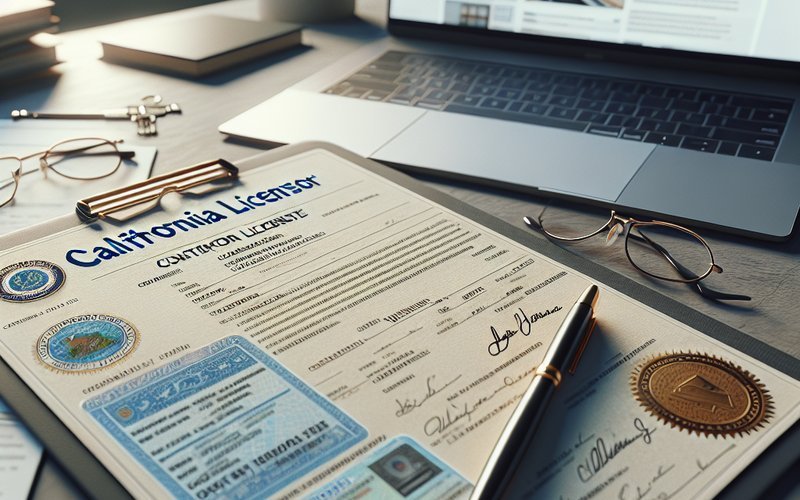
In California, any contractor performing smart glass or glazing work must hold a valid license from the Contractors State License Board (CSLB). For glass-specific work, that means a C-17 glazing classification. Don’t accept vague answers here.
Ask for their CSLB license number directly. Then verify it yourself at cslb.ca.gov before the conversation goes any further. The lookup takes about 30 seconds and shows you the license status, classification, and whether any disciplinary actions have been filed. If a contractor hesitates to give you the number, that’s your answer right there.
Insurance matters just as much. You want to confirm they carry general liability insurance and workers’ compensation coverage. If an uninsured installer damages your window frame or gets injured on your property in Brentwood or Silver Lake, you could be liable. Ask for a certificate of insurance and make sure it’s current, not expired six months ago.
Some smart film installers operate under a different license classification if they’re not cutting glass, so ask specifically what license category covers the work they’re doing on your project. A straight answer from a qualified contractor takes about ten seconds.
Question 2: Do You Handle Permits With the LA Department of Building and Safety?

Whether your project requires a permit in Los Angeles depends on what’s being installed. Here’s the short version: hardwired smart glass installations almost always require a permit, while adhesive smart film typically doesn’t.
The Los Angeles Department of Building and Safety (LADBS) requires permits for any electrical work connected to the building’s wiring, which includes most smart glass panels that run on low-voltage power. If your installer is connecting anything to your home’s electrical system, they need to pull a permit from LADBS before work starts. You can verify permit requirements directly at ladbs.org.
Smart film applied adhesively to existing glass generally falls below the permit threshold because it’s not structural and typically plugs into a standard outlet or uses a separate low-voltage transformer. But “typically” isn’t “always,” so confirm the specifics for your project. For a deeper look at exactly what the city requires, this breakdown of smart glass installation permits in Los Angeles covers the LADBS rules in plain language.
A contractor who says “don’t worry about permits” on a hardwired job is either uninformed or hoping you won’t ask again. Either way, that’s a problem you don’t want.
Question 3: What Brands Do You Install and What Are Their Warranties?
The brand matters, and so does the warranty that comes with it. Ask every installer to name the specific manufacturers they work with. Reputable brands in the smart glass space include Gauzy, SmartGlass World, Intelligent Glass, and RavenWindow. If a contractor is vague about where their product comes from, that’s a red flag.
Warranty terms vary dramatically between smart film and smart glass, and between different manufacturers. Here’s a realistic picture of what you should expect:
| Product Type | Typical Warranty | What’s Usually Covered | What’s Usually Excluded |
|---|---|---|---|
| Smart Film (adhesive) | 2–5 years | Delamination, opacity failure, electrical defects | UV damage if untreated, improper install |
| Smart Glass (laminated) | 5–10 years | Switching mechanism, glass integrity, seals | Physical damage, unauthorized modifications |
| LED Film | 1–3 years | LED panel output, driver electronics | Content-related burn-in, power surges |
One question most homeowners forget to ask: does the warranty transfer if you sell the property? In Los Angeles, where real estate turns over at premium prices, a transferable warranty adds real value to a home sale. Some manufacturers allow it, some don’t. Get the answer in writing before you commit to a product.
And make sure the installer’s labor warranty is separate from the product warranty. A product might be covered for five years, but if the installation is only guaranteed for 90 days, you’re exposed to a lot of potential issues.
Question 4: How Many LA Installations Have You Completed?
Local experience with smart glass in Los Angeles isn’t the same as general installation experience. The LA climate, the building stock, and the regulatory environment create specific challenges that out-of-area or low-volume contractors haven’t worked through.
Los Angeles gets intense UV exposure year-round, which accelerates degradation in lower-quality films. The marine layer along the coast, particularly in Santa Monica and Pacific Palisades, creates moisture conditions that can affect adhesion differently than inland desert heat in the Valley. An installer who has worked across multiple LA neighborhoods understands these variables. Someone who’s done three installs total, anywhere, doesn’t.
Ask specifically how many projects they’ve completed in Los Angeles, not just “the Southern California area.” Then ask for two or three references from local clients you can actually call. A confident, qualified contractor will offer this without hesitation.
Ask About HOA and Condo Experience
If you live in a condo in Koreatown, a townhome in West Hollywood, or any property with a homeowners association, your installer needs to understand how to navigate HOA approval processes. Many LA condo buildings have specific restrictions on exterior modifications, and a smart glass installer who’s never dealt with that paperwork will leave you holding the bag. This is worth a direct question: “Have you worked in HOA-governed buildings in Los Angeles, and how did you handle the approval process?”
For renters or landlords wondering how this all applies to non-owned units, there’s a useful explainer on smart glass for renters and landlords in Los Angeles that covers what’s actually permitted depending on your lease situation.
Question 5: What’s Included in Your Quote and What Isn’t?
So what does this actually cost? Smart glass and smart film pricing in Los Angeles varies based on product type, square footage, and how complex the electrical integration is. Here’s a realistic breakdown to anchor your expectations before you start getting bids:
| Product | Price Range (Installed) | Typical Project Size | What Drives Cost Up |
|---|---|---|---|
| Smart Film (adhesive) | $25–$45 per sq ft | Single window to full office wall | Hard-to-reach glass, curved surfaces |
| Smart Glass (laminated panel) | $65–$130 per sq ft | Bathroom partitions, conference rooms | Custom sizing, structural framing changes |
| LED Film | $80–$160 per sq ft | Retail storefronts, hotel lobbies | Content management system, custom programming |
A homeowner in Brentwood recently had 120 square feet of smart film applied to a master bathroom and bedroom windows for approximately $4,200 installed, which included the controller, wiring, and a wall switch. That’s a fair mid-range price for a straightforward residential job in LA.
But quotes can hide a lot. Before you sign, ask specifically what’s not included. Common add-on costs that show up after the fact include:
- Electrical wiring and outlet installation (often quoted separately)
- Permit fees from LADBS
- Glass removal or surface prep if existing glass is scratched or coated
- Smart home integration with systems like Control4 or Lutron
- Travel surcharges for projects in far-flung areas of LA County
Get the full scope of work in writing. Not a handshake, not an email summary. A proper written proposal with line items.
Question 6: Who Does the Actual Installation, You or a Subcontractor?
This question catches a lot of installers off guard, which tells you everything. Some companies in Los Angeles operate as sales organizations. They take your deposit, book your project, and then send out a subcontractor who may or may not be trained on the specific product you purchased.
That’s not automatically a dealbreaker, but it needs to be disclosed. If subcontractors are doing the work, ask whether they’re certified by the product manufacturer and whether they carry their own insurance. A legitimate company that uses subs can still run a tight, accountable operation. But if the company you’re hiring doesn’t know who’s showing up on install day, that’s a problem.
In-house installation teams generally offer better accountability. If something goes wrong, you’re dealing with one company, not a finger-pointing match between a sales rep and a subcontractor who’s already on to the next job. Ask directly: “Will your own employees be doing this work, and who is the lead installer on my project?”
Training and certification matter here too. Some manufacturers require installers to complete product-specific training before they’ll honor warranty claims on that product. If the person doing your install isn’t certified by the brand, your warranty coverage may be compromised from day one.
Question 7: Can You Show Me a Completed Project Near My Neighborhood?
Portfolio work is the most honest signal of an installer’s capability. Photos are easy to fake or borrow. An actual reference address you can drive by, or a client you can call, is not.
Ask for examples from neighborhoods comparable to yours. If you’re in West LA, ask if they’ve worked in West LA, Culver City, or Mar Vista. If you’re in DTLA or Hollywood, ask about commercial or mixed-use projects nearby. The context matters because building types, access constraints, and aesthetic expectations vary significantly across Los Angeles.
Before-and-after photos are useful, but live references are better. A confident installer who’s proud of their work will connect you with a past client without hesitating. If every past client is “unavailable” or the company can only show you photos from a manufacturer’s marketing deck, that’s not a real portfolio.
You can also check Google reviews, Yelp, and the Better Business Bureau specifically for complaints about LA-area projects. Look for patterns, not one-off negative reviews. A company with 80 reviews and one complaint is different from a company with 15 reviews and three unresolved complaints about incomplete work.
Red Flags That Should Make You Walk Away
Some signals are subtle. Others are obvious. Here are the ones that should stop the conversation immediately:
- No CSLB number offered: Any licensed California contractor has one. If they can’t produce it on request, stop talking to them.
- Cash-only quotes: This is almost always a sign of unlicensed work or tax avoidance. Either way, you have zero paper trail if something goes wrong.
- Vague warranty language: “We stand behind our work” is not a warranty. A real warranty has a term, a scope, and a named manufacturer behind it.
- Pressure to sign quickly: “This price is only good today” is a classic pressure tactic. Legitimate companies don’t price-expire quotes in 24 hours.
- No written proposal: A verbal quote with a handshake is not a contract. If they resist putting it in writing, don’t hire them.
- No physical business address: A PO box or no address at all means you have no idea where to find them if the job goes sideways.
Honestly, most red flags show up early in the conversation if you’re paying attention. Trust your gut when something feels off, even if the price looks good. A bad install costs far more to fix than the savings you thought you were getting.
Ready to Find a Qualified Smart Glass Installer in Los Angeles?
Now you have a real framework to work with. Seven questions, a list of red flags, and realistic cost expectations. That’s enough to walk into any conversation with a smart glass installer in Los Angeles and know exactly what you’re evaluating.
The next step is getting a proper site assessment. A qualified installer will want to see your glass, understand your switching needs, assess the electrical situation, and confirm whether any LADBS permits are required before they quote the job. Anyone who quotes you a price over the phone without seeing the space is guessing, and you’re the one who lives with the result.
If you’re dealing with LA’s intense sun exposure and want to know whether smart glass actually helps with heat before committing to an install, this look at how smart glass performs in LA heat gives you honest performance data specific to Southern California conditions.
Use the questions in this guide. Verify every license at cslb.ca.gov. Get everything in writing. And don’t let anyone rush you through a decision that’s going to live on your windows for the next decade.
Frequently Asked Questions
What license should a smart glass installer in Los Angeles have?
A smart glass installer in Los Angeles should hold a valid California Contractors State License Board (CSLB) license, specifically a C-17 glazing classification for glass-related work. You can verify any contractor’s license status at cslb.ca.gov. If the project involves electrical work connected to the building’s wiring, the installer or a subcontracted electrician should also hold a C-10 electrical classification or partner with a licensed electrician.
How much does smart glass installation cost in Los Angeles?
In Los Angeles, smart glass installation costs typically range from $65 to $130 per square foot for laminated smart glass panels, and $25 to $45 per square foot for adhesive smart film. LED film runs higher, usually $80 to $160 per square foot installed. A standard residential smart film project covering two to three windows in Los Angeles generally costs between $2,800 and $6,500 depending on glass accessibility, electrical complexity, and whether smart home integration is included.
Does smart film installation require a permit in Los Angeles?
In Los Angeles, adhesive smart film installation typically does not require a permit from the LA Department of Building and Safety (LADBS) when it’s applied to existing glass and powered through a standard plug-in transformer. However, hardwired smart glass panels that connect to the building’s electrical system almost always require an electrical permit from LADBS. Always confirm with your installer before work begins, since unpermitted electrical work can create problems during a home sale or insurance claim.
What is the difference between smart film and smart glass for LA homes?
Smart film is an adhesive PDLC (Polymer Dispersed Liquid Crystal) layer applied to existing glass, making it a lower-cost retrofit option for LA homes without replacing windows. Smart glass is a laminated unit where the PDLC layer is sandwiched between two glass panes, manufactured as a complete unit. In Los Angeles, smart film costs roughly $25 to $45 per square foot installed, while smart glass panels run $65 to $130 per square foot. Smart glass generally offers longer warranties and better optical clarity, while smart film is better suited for renters or anyone who wants to avoid full window replacement.
How do I check if a contractor is licensed in California?
To check if a contractor is licensed in California, visit cslb.ca.gov and use the “Check a License” tool. You’ll need the contractor’s name, business name, or license number. The search returns the license classification, current status (active, expired, suspended), expiration date, and any disciplinary history. This check takes under a minute and should be done before you agree to any work or sign any contract with a smart glass installer in Los Angeles or anywhere in California.
What warranty should I expect from a smart glass installer?
In Los Angeles, a reputable smart glass installer should offer a product warranty of 5 to 10 years for laminated smart glass panels and 2 to 5 years for adhesive smart film, backed by the manufacturer. The installer should also provide a separate labor or workmanship warranty of at least 1 to 2 years. Always ask whether the warranty is transferable to a future buyer, and get the full warranty terms in writing before work begins. Vague verbal warranties like “we stand behind our work” are not enforceable and should be treated as a red flag.