
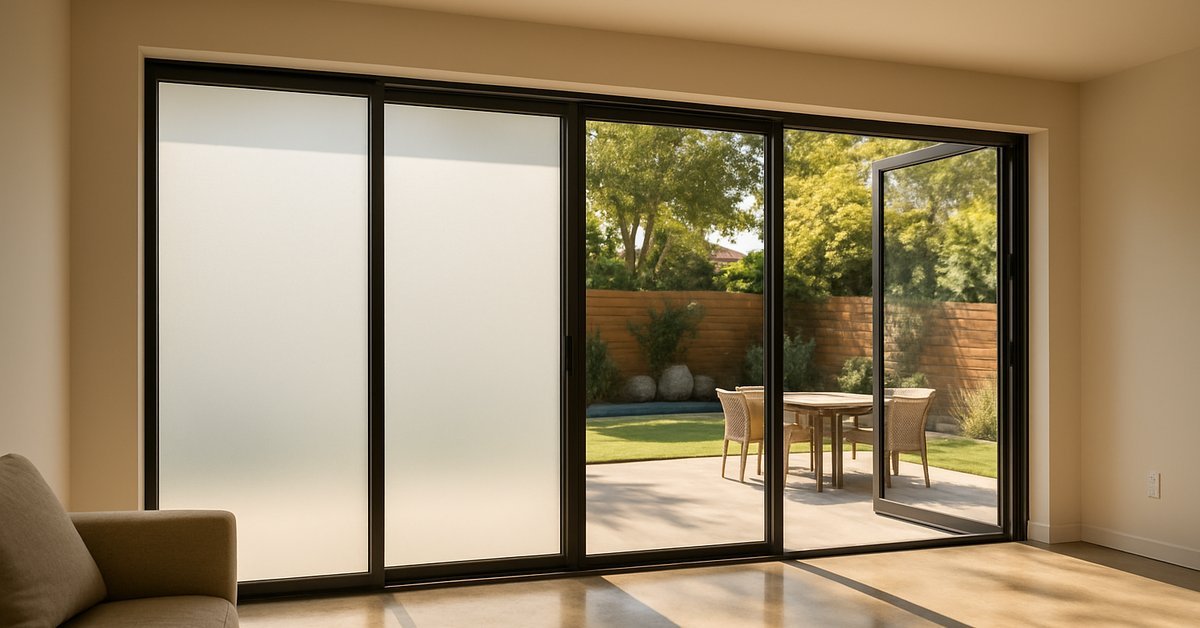
You’re deciding between three different smart glass technologies for a long beach operable glass wall installation, and the wrong choice costs you thousands. This type of operable glass wall installation in Long Beach runs $180–$420 per linear foot for the panel system alone, before any smart glass upgrade. Long Beach’s coastal climate, strong direct sun exposure along the waterfront, and the city’s specific permitting structure all affect your final cost and timeline. This guide walks you through real costs, smart glass options, the permit process, and exactly what to ask your installer before signing anything.
Ready to start with a free estimate? Get a no-obligation quote from a Long Beach smart glass specialist.
How Much Does Operable Glass Wall Installation Cost in Long Beach?
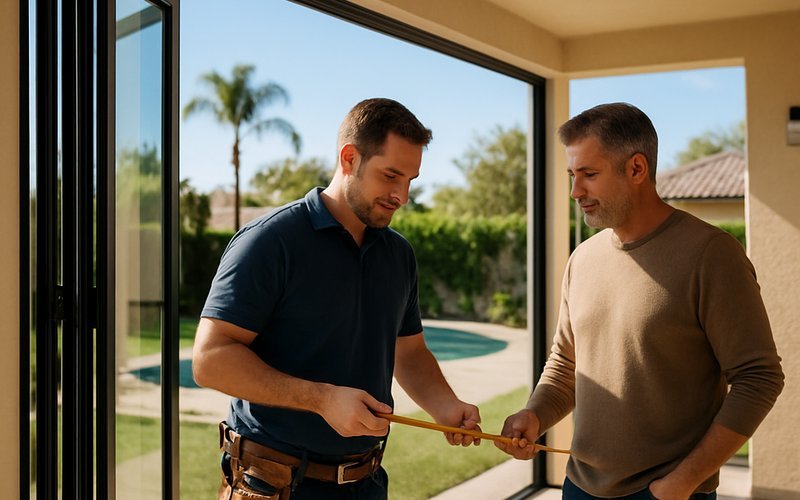
In Long Beach, a standard operable glass wall system runs $180–$420 per linear foot installed, depending on panel size, frame material, and hardware grade. For a typical 20-foot opening, that puts the base system cost at $3,600–$8,400 before any smart glass upgrade. Add smart film or smart glass, and you’re looking at a meaningfully higher total.
| System Type | Base Cost (per linear foot) | Smart Glass Upgrade (per sq ft) | Typical Total (20 ft opening) |
|---|---|---|---|
| Standard Operable Glass Wall | $180–$280 | N/A | $3,600–$5,600 |
| Operable Wall + Smart Film | $180–$280 | $45–$85 | $6,000–$10,200 |
| Operable Wall + Switchable Smart Glass | $250–$420 | $85–$120 | $9,500–$16,800 |
| Operable Wall + LED Film | $250–$420 | $90–$130 | $10,200–$17,600 |
A homeowner in the Bixby Knolls neighborhood recently installed a 24-foot operable glass wall with smart film between their living area and outdoor deck. Total installed cost came to $11,400, which included the panel system, smart film lamination on all panels, and hardwiring to a wall switch. The coastal breeze access was the main driver, but the on-demand privacy was what made the smart film worth it for them specifically.
Your biggest variable is whether you’re doing the glass wall and smart technology in one coordinated project, or retrofitting smart film onto panels that already exist. A combined project is almost always cheaper per square foot than two separate installations. Honest advice: don’t order your operable wall panels until you’ve confirmed which smart technology you want, because smart glass panels and standard glass panels aren’t interchangeable after fabrication.
Smart Film, Smart Glass, or LED Film: Which Option Fits Your Long Beach Project?
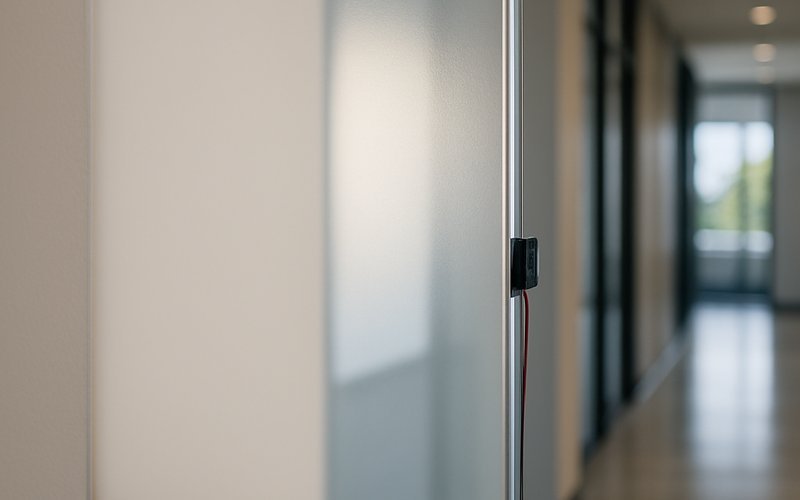
Each technology works differently, costs differently, and suits different use cases. Smart film is a retrofittable PDLC layer applied to existing or new glass. Switchable smart glass is factory-laminated PDLC built directly into the glass unit. LED film turns the glass panel into a backlit display surface. For most residential Long Beach operable wall projects, smart film delivers the best cost-to-performance ratio.
| Technology | How It Works | Cost (per sq ft) | Best For | Retrofittable? |
|---|---|---|---|---|
| Smart Film | PDLC film applied to glass surface | $45–$85 | Residential, budget-conscious, existing glass | Yes |
| Switchable Smart Glass | PDLC laminated inside glass unit at factory | $85–$120 | High-end residential, healthcare, commercial | No (factory only) |
| LED Film | Transparent LED matrix applied to glass | $90–$130 | Retail storefronts, hospitality, display walls | Yes, on flat panels |
Smart film wins on flexibility. You can apply it to panels that are already installed, which means you’re not locked into a decision during the fabrication phase. It switches from frosted to clear in under a second when powered, and it handles Southern California sun exposure well when the correct UV-resistant grade is specified.
Switchable smart glass costs more but has a cleaner finished look. The PDLC layer is sealed inside the glass, so there’s no edge sealing to manage, no film to potentially peel at corners over time. For commercial spaces in Long Beach where the system will get heavy daily use, factory-laminated smart glass holds up better long-term.
LED film is a genuinely different product. It’s not primarily a privacy solution. It’s a display medium. If you’re a retail or hospitality operator wanting your glass wall to double as a digital signage surface, LED film is worth a serious look. For residential use, it’s rarely the right call. For a deeper comparison of all three technologies, this switchable glass comparison for Los Angeles projects breaks down each option with real performance specs.
What Does the Installation Process Actually Look Like in Long Beach?
The installation sequence for an operable glass wall with smart technology runs across three distinct phases: structural prep, panel installation, and electrical integration. Each phase has its own timeline, and delays in any one phase cascade into the next.
Phase 1: Site Assessment and Fabrication
Before anything is ordered, your installer should do an in-person site measurement. Operable glass wall panels are custom-fabricated to your exact opening dimensions. If you’re adding smart glass or smart film, that decision gets locked in at this stage. Standard lead time for fabricated operable glass wall panels in Los Angeles is 4–8 weeks, depending on the manufacturer and current order volume.
Phase 2: Structural Prep and Panel Installation
The header track goes in first. It needs to be level and anchored into solid framing, not just drywall. For panels over 10 feet tall, most installers in Long Beach will want to confirm the structural header capacity before proceeding. Panel installation itself typically takes 1–3 days for a 20-foot opening, depending on panel count and hardware complexity.
Phase 3: Electrical and Smart Technology Integration
Smart film and smart glass both require a low-voltage power supply and a control switch or smart home connection. Hardwired installations need an electrician to run the circuit. Budget $200–$600 for the electrical work alone, separate from the film or glass cost. If you’re integrating with a Lutron or Crestron smart home system, add another $300–$800 for the control interface and programming. The total installation timeline from site assessment to final walkthrough is typically 6–10 weeks for a combined operable wall and smart glass project.
Do Long Beach Projects Require a Permit Through LADBS or the City of Long Beach?
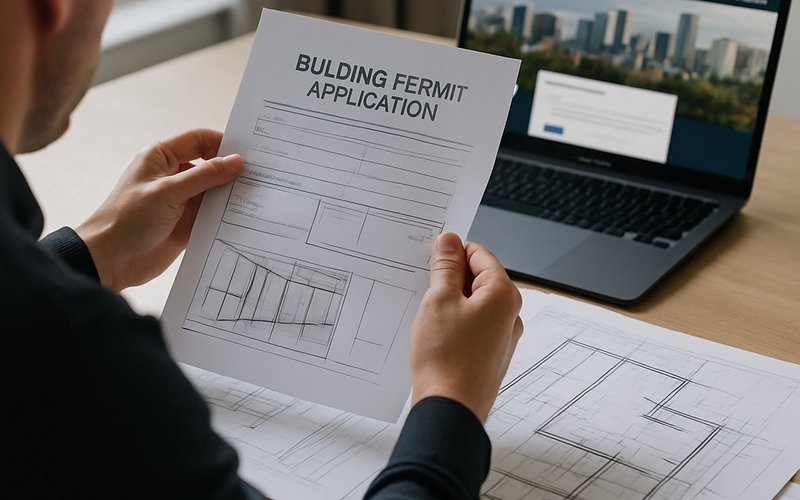
Long Beach is an independent charter city, which means it operates its own building department. You do not go through the Los Angeles Department of Building and Safety for Long Beach permits. Permits for Long Beach operable glass wall projects are handled by the City of Long Beach Development Services Department, located at 411 W. Ocean Blvd.
Whether your project requires a permit depends on how the work is classified. Installing an operable glass wall in an existing opening where no structural changes are made may be treated as a non-structural alteration. But if you’re widening an opening, removing a load-bearing wall, or adding a new exterior opening, you’ll need a full building permit with plans. Your contractor should be the one to make that determination and pull the permit if required.
For the electrical component of hardwired smart glass, a separate electrical permit is almost always required, even when the building permit isn’t. The City of Long Beach Building and Safety Bureau processes these permits, and inspections are typically scheduled within 5–10 business days of application. Don’t skip the electrical permit. It matters for your homeowner’s insurance and for resale disclosure.
Smart film applied without hardwiring, using a plug-in transformer and wall switch, often falls below the permit threshold. Confirm this with your specific contractor and the city before assuming you’re clear.
Which Long Beach Neighborhoods Are Installing Operable Glass Walls Right Now?
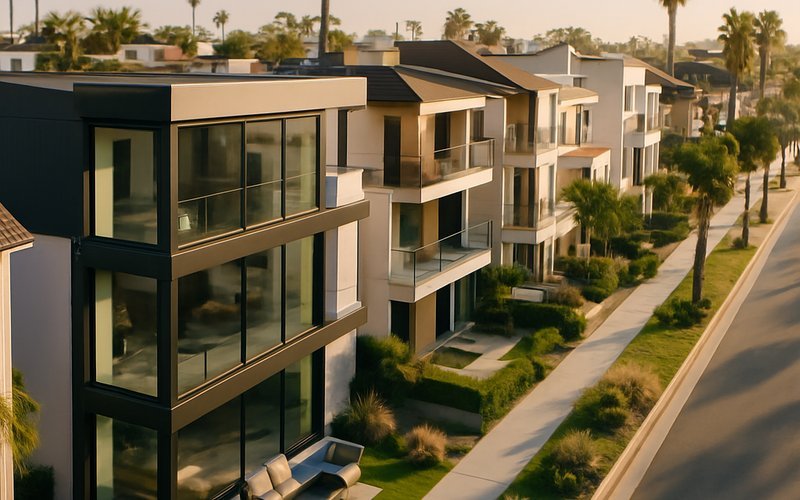
Demand for operable glass wall installation in Long Beach is strongest in a handful of specific neighborhoods, and each has its own driver.
In Belmont Shore, the pattern is almost always indoor-outdoor living. Homes here sit close together, and the desire to open the back of the house to a patio or courtyard while maintaining some privacy from neighbors is exactly what smart film on operable panels solves. Projects here tend to run 18–28 linear feet of glass, connecting main living areas to rear decks.
In Bixby Knolls, the demand is split between residential upgrades and small commercial offices converting traditional conference rooms to glass-walled spaces. The neighborhood’s mix of Craftsman homes and professional offices makes it one of the more active areas for combined operable wall plus smart glass projects.
Along the 2nd Street corridor in Belmont Heights, restaurant and retail operators are using operable glass walls with LED film to activate their storefronts during evening hours. The display capability of LED film on a glass wall that fully opens to the sidewalk is a genuinely compelling retail tool. For more on how glass storefronts in Los Angeles are being used as display surfaces, this piece on digital glass storefronts is worth a read.
And in Naples Island, where waterfront homes deal with direct sun all afternoon, the combination of operable panels and smart film handles both ventilation and glare control simultaneously. That dual function is what makes smart film particularly well-suited to this specific pocket of Long Beach.
What Should You Ask Before Hiring an Operable Glass Wall Installer in Long Beach?
Before you sign anything, you need clear answers to a specific set of questions. Not vague reassurances. Concrete answers with documentation.
- Are you licensed as a C-17 glazing contractor in California? Operable glass wall installation falls under the C-17 specialty license. Ask for the license number and verify it at the California Contractors State License Board.
- Who handles the electrical permit for the smart glass circuit? It should either be your contractor’s in-house electrician or a subcontractor they manage. You shouldn’t be tracking down a separate electrician yourself.
- What smart film or glass brand are you using, and what’s the warranty? Quality PDLC film from reputable manufacturers carries a 5-year warranty minimum. Ask for the manufacturer data sheet, not just the contractor’s word.
- Can I see a project you completed in Long Beach in the last 12 months? References from the same city matter. Local installers understand the permit process, the sun angles, and the typical construction conditions here.
- What happens if a panel or film section fails after installation? Get the warranty terms in writing, including what’s covered, what isn’t, and who pays for labor if a replacement is needed.
Honestly, most contractors will walk you through the product options without ever mentioning the permit question. That’s a gap. If they’re not proactively addressing permits, ask directly. A contractor who’s done this work in Long Beach before will have a clear answer ready.
Next Steps for Long Beach Homeowners and Business Owners Ready to Move Forward
If you’ve read this far, you’ve already made the hard decision: you want an operable glass wall, and you want smart glass technology integrated into it. What’s left is getting an accurate quote for your specific opening, confirming the permit requirements with the City of Long Beach Development Services Department, and choosing your installer.
Start with smart film if you’re working with an existing panel system or want to keep the project budget in the $6,000–$12,000 range. Go with factory-laminated switchable smart glass if you’re in a high-use commercial environment and want the cleanest possible finish. Use LED film only if display capability is a genuine business need. For residential Long Beach projects, smart film handles the vast majority of use cases at the best value.
Pacific Smart Glass has completed smart film installation projects across Long Beach, working with both homeowners and commercial operators on operable glass wall systems. If you’re ready to move from planning to pricing, reach out for a site assessment. A real measurement of your opening is the only way to get a number you can actually plan around.