
Your conference room glass wall is either a privacy problem or a $3,000 decision waiting to happen, and if you’re already searching for smart film conference room cost San Jose numbers, you know which one you’re facing. The direct answer: switchable smart film for a typical conference room costs $28–$45 per square foot installed, with most single-wall installs landing between $2,200 and $4,500 total. San Jose’s tech-heavy commercial market, especially in North San Jose build-outs, treats this as a standard TI line item rather than an afterthought. This guide breaks down real cost ranges, how local companies budget for it, and how to get it paid for through your lease instead of your own pocket. If you want to see who actually benefits most from switchable glass in commercial settings, Pacific Smart Glass‘s guide on who needs smart glass in commercial buildings is worth a read before you request quotes.
How Much Does Smart Film Cost for a San Jose Conference Room?
Smart film for a San Jose conference room costs $28–$45 per square foot installed, with total project costs typically running $2,200–$6,500 depending on wall size, glass access, and wiring complexity. A standard glass-walled conference room with one 80-square-foot panel sits near the low end; a corner office with three glass walls and integrated controls pushes toward the high end.
Pricing depends less on the film itself and more on labor conditions. Retrofitting film onto existing tempered glass in an occupied office costs more per square foot than installing it during a fresh build-out, because installers have to work around furniture, business hours, and sometimes after-hours scheduling to avoid disrupting meetings.
| Project Scope | Typical Sq Ft | Installed Cost Range |
|---|---|---|
| Single interior glass wall (retrofit) | 60–90 sq ft | $2,200–$3,800 |
| Full glass-front conference room (new build-out) | 120–160 sq ft | $3,800–$6,200 |
| Multi-wall glass box with app/switch controls | 180–240 sq ft | $5,600–$9,500 |
| Add-on: wiring for existing wall (no conduit run) | n/a | $400–$1,200 extra |
A property manager in North San Jose recently priced out film for a 12-suite office building near North First Street. Two of the twelve conference rooms already had electrical conduit run to the glass framing during construction, cutting install time nearly in half compared to the other ten. That single detail, whether conduit already exists, is often the biggest swing factor in your final number.
What Drives the Price: Smart Film vs. Smart Glass vs. Frosted Vinyl
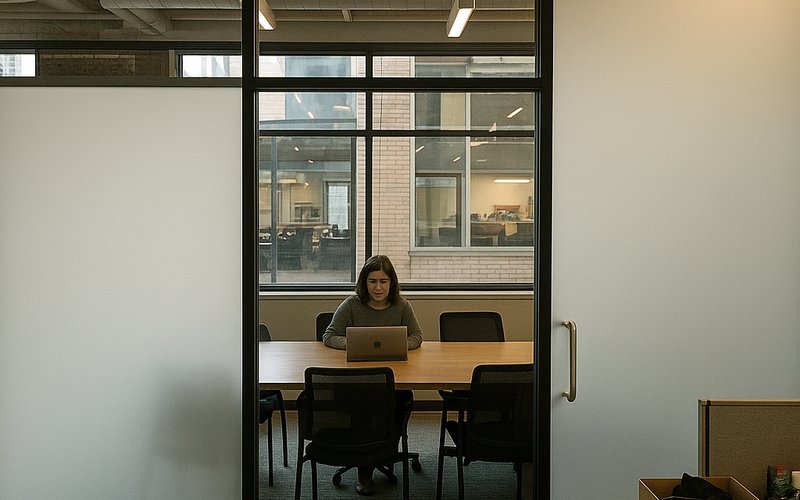
Smart film costs less upfront than smart glass but more than frosted vinyl, and the right choice depends on whether you’re retrofitting existing glass or specifying new panels. Smart glass units run $90–$130 per square foot installed because the switchable layer is laminated between glass panes at the factory. Frosted vinyl runs $8–$15 per square foot but offers zero on-demand privacy control.
| Material | Cost Per Sq Ft | On-Demand Privacy | Best For |
|---|---|---|---|
| Frosted vinyl | $8–$15 | No (static) | Fixed privacy, tight budgets |
| Smart film (retrofit) | $28–$45 | Yes | Existing glass walls |
| Smart glass (new install) | $90–$130 | Yes | New construction, ground-up build-outs |
Here’s the tradeoff most San Jose office managers miss: smart film is applied to glass you already have, while smart glass requires replacing the pane entirely. If your conference room glass is already installed and in good condition, film is almost always the better financial call. If you’re doing a ground-up build-out where the glazing hasn’t gone in yet, specifying smart glass panels directly can actually save money over the life of the lease, since you skip a separate film install and get a longer-rated product.
Frosted vinyl is the budget option, but it’s a one-way decision. Once it’s on the glass, the room is permanently frosted. Teams that want the room to switch between transparent and private, useful for interviews, board calls, or sensitive product reviews, need film or glass, not vinyl.
Is Smart Film Worth It for a San Jose Office Conference Room?
Yes, smart film is worth it for most San Jose conference rooms where privacy needs change throughout the day and the existing glass is in good shape. The value comes from flexibility: one room handles open collaboration and confidential meetings without construction, drywall, or blinds that break down after heavy daily use.
Think about how a conference room actually gets used. In the morning it’s a stand-up meeting in full view of the floor. By 2pm it’s a compensation discussion or a candidate interview that needs real privacy. Manual blinds jam, get left half-open, and look worn within a year in a high-traffic office. Smart film switches state in under a second and has no moving parts to break.
A software company in the Downtown San Jose core installed film on two conference rooms during a 2025 lease renewal instead of replacing worn mini-blinds for the third time in four years. Their facilities lead estimated the blinds were being replaced every 14–18 months due to daily use; the film install, at roughly $3,400 for both rooms, was projected to outlast three blind replacement cycles.
The honest caveat: if your conference rooms are rarely used for confidential meetings, or if the glass is old and pitted, film adoption may not stick with your good hardware. Ask your installer to inspect glass condition before quoting. Most reputable companies won’t apply film to compromised glass because it won’t adhere evenly and the switch performance suffers.
How Do San Jose Tech Companies Budget for Smart Film in Build-Outs?
San Jose tech companies typically budget smart film as part of the glazing or electrical line item in a build-out, usually allocating $3–$6 per total square foot of office space for conference room privacy upgrades. On a 10,000-square-foot suite with four glass-walled conference rooms, that lands around $30,000–$60,000 for the whole floor, though most of that budget only touches the actual glass walls, not the full square footage.
Companies building out space in North San Jose’s tech corridor, where many newer commercial buildings feature open floor plans with glass-walled huddle rooms, tend to specify smart film early in the design phase rather than adding it after move-in. That’s the cheaper path. Adding film after occupancy means working around furniture, live meetings, and often paying a premium for after-hours labor.
Smaller startups in shared or sublet space near Downtown San Jose take a different approach. They budget per-room instead of per-floor, treating each conference room as its own $2,500–$4,000 decision made only when a specific privacy pain point comes up, usually after a client complains about seeing a whiteboard through the glass during a sensitive call.
If you’re planning a build-out and want to see how switchable glass fits into a broader commercial strategy beyond conference rooms alone, the breakdown in who needs smart glass in commercial buildings covers where it delivers the most return across an entire office footprint, not just one room.
Get a free estimate from a licensed San Jose contractor before you finalize your build-out budget. Locking in film costs before construction drawings are final avoids expensive change orders once walls and electrical are already roughed in.
Can You Negotiate Smart Film Into a San Jose Tenant Improvement Allowance?
Yes, smart film can usually be negotiated into a San Jose tenant improvement allowance, since it’s classified as a fixture upgrade attached to existing glazing rather than a personal amenity. Landlords in competitive San Jose submarkets are often willing to fund it, especially on multi-year leases where the improvement adds resale value to the suite.
The negotiation tactic that works best: bring an itemized quote to your lease negotiation, not a rough estimate. Landlords and their brokers respond to real numbers. A tenant asking for “some money for privacy glass” gets pushback. A tenant presenting a $4,200 line-item quote for two conference rooms, tied to a specific vendor and specific square footage, gets approved far more often because it reads as a defined capital improvement rather than an open-ended ask.
- Get your smart film quote before you sign the lease, not after, since TI negotiations happen during lease execution
- Frame it as a “glazing upgrade” in your improvement request rather than “smart film,” which some landlords may not recognize as a standard TI category
- Ask whether the allowance is a fixed dollar amount or a per-square-foot number, since per-square-foot allowances sometimes cover more than tenants expect
- Request that unused portions of the allowance can roll into low-cost items like film if larger construction items come in under budget
A biotech firm relocating to a North San Jose building negotiated smart film into their TI allowance by bundling it with their electrical scope, since the film’s control wiring needed to be pulled during the same rough-in phase as their lighting work anyway. Bundling line items with work that’s already happening is one of the more reliable ways to get discretionary items like film approved without a separate landlord sign-off.
What Permits Does Smart Film Installation Require in San Jose?
In most cases, smart film applied to existing glass does not require a separate permit from San Jose’s Planning, Building and Code Enforcement Department, since it’s considered a surface-level improvement rather than a structural or electrical alteration. However, if your installation includes new low-voltage wiring, a dedicated control switch, or integration with a building automation system, that portion of the work typically does need an electrical permit.
The distinction comes down to what’s being altered. Applying film to glass that already has power run to it, common in newer build-outs, usually stays permit-exempt because no wiring or structural work occurs. Running new low-voltage cable through a wall or ceiling to power a previously unwired conference room does fall under San Jose’s electrical permitting requirements, since it involves work behind finished surfaces.
If your building is in a multi-tenant commercial property, check with your property manager first. Many commercial landlords in San Jose require sign-off on any wall or glazing modification regardless of whether the city requires a permit, since it affects building systems shared across tenants. This is a landlord requirement, not a city one, but skipping it can delay your install or void portions of your lease agreement.
For a full breakdown of when smart glass and smart film installations trigger permitting in San Jose and what Santa Clara County requires for related work, it’s worth reviewing before you schedule installation, especially if your build-out includes any electrical scope beyond the film itself.
How to Find the Right Smart Film Installer for Your San Jose Office
The right installer for a San Jose conference room should carry a C-61 or D-52 specialty contractor classification, show recent commercial installs (not just residential window tint jobs), and be able to install after hours without disrupting your business day. Ask specifically about commercial glass experience, since residential film installers often lack experience with the larger tempered glass panels common in office build-outs.
Get at least two quotes before committing. Pricing between installers in the San Jose market can vary by $8–$15 per square foot for the exact same scope, and the difference usually comes down to film brand, warranty length, and whether the quote includes control hardware or just the film itself.
Ask these questions before signing a contract:
- Can you show me two commercial conference room installs completed in the past 12 months?
- What’s the warranty on the film itself versus the control switch or app integration?
- Can the install happen after business hours or on a weekend to avoid disrupting our team?
- Does the quote include patching or touch-up if the film needs trimming around existing hardware?
Honestly, the cheapest quote isn’t always the wrong choice, but if a bid comes in dramatically lower than the others, ask what film brand they’re using. Lower-grade films fog unevenly at the edges within 18–24 months, which is the single most common complaint installers hear on cheap installs. A reputable San Jose installer will walk your space, check glass condition, and confirm access to power before quoting, not just measure the glass and send a number over email.
If you’re weighing smart film against smart glass for a larger office footprint, or comparing it to other privacy solutions across your building, Pacific Smart Glass’s guide on which commercial buildings benefit most from smart glass is a useful next step before you request final bids. Ready to get exact numbers for your conference room? Reach out for a free, no-pressure quote built around your specific glass, square footage, and San Jose building requirements.