
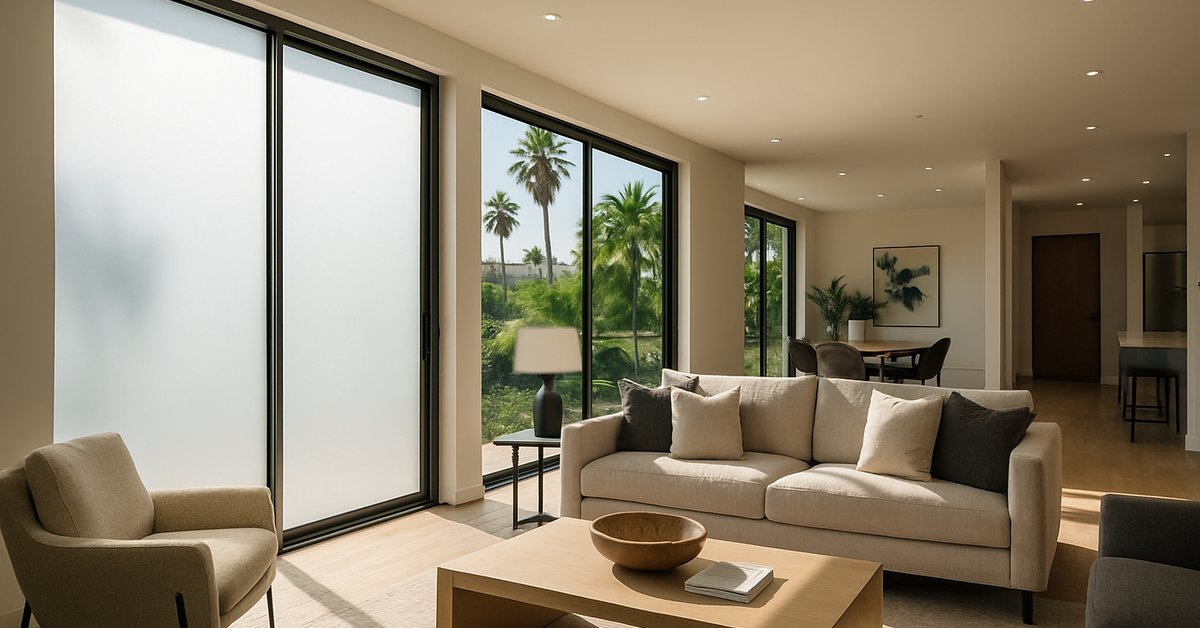
Los Angeles homeowners are asking the same question right now: smart film, smart glass, or LED film — and what’s the real difference? Switchable glass is the umbrella term for all three products, but they work differently, cost differently, and fit different projects entirely. In Los Angeles, the cost gap between a smart film retrofit and a full smart glass replacement can run $10,000–$40,000 on a single room, so picking the wrong product is a genuinely expensive mistake. This guide breaks down each option with real LA costs, LADBS permit context, and neighborhood-specific examples so you can choose and act without reading five other articles.
Ready to skip straight to pricing? Get a free estimate from a licensed Los Angeles smart glass contractor.
What Is Switchable Glass and Which Product Is Right for Your Los Angeles Home?
Switchable glass refers to any glazing system that transitions between transparent and opaque states on demand, typically by applying an electrical current. In Los Angeles, three products dominate the residential and commercial market: smart film, smart glass, and LED film. They share the same core concept but differ significantly in how they’re installed, how they perform, and what they cost.
Smart film is a retrofit product. You apply it directly to your existing glass, much like a window tint, and wire it to a switch or smart home controller. When power runs through it, the film goes clear. Cut the power and it turns frosted. It’s the lowest-cost entry point and the only option that doesn’t require replacing your glass.
Smart glass (also called electrochromic or PDLC glass) is a factory-built panel where the switchable technology is laminated between two glass panes during manufacturing. You’re buying a complete glass unit that replaces your existing window or partition. The optical quality is typically sharper, and it’s better suited to new construction or full remodels. But you’re paying for a whole new piece of glazing, not just a film.
LED film is different from both. It turns your existing glass into a transparent LED display. When powered, it shows images, video, or ambient lighting patterns. When off, the glass looks nearly clear. It’s less about privacy and more about visual impact, which makes it popular for storefronts, conference rooms, and high-end residential feature walls in Los Angeles.
So which one is right for you? If you’re renting, remodeling on a budget, or want to avoid replacing windows, smart film is your answer. If you’re doing new construction or a gut remodel and want the cleanest possible look, go with smart glass. If you want a glass surface that doubles as a display, LED film is the one. The rest of this guide helps you price each option accurately.
How Much Does Switchable Glass Cost in Los Angeles?
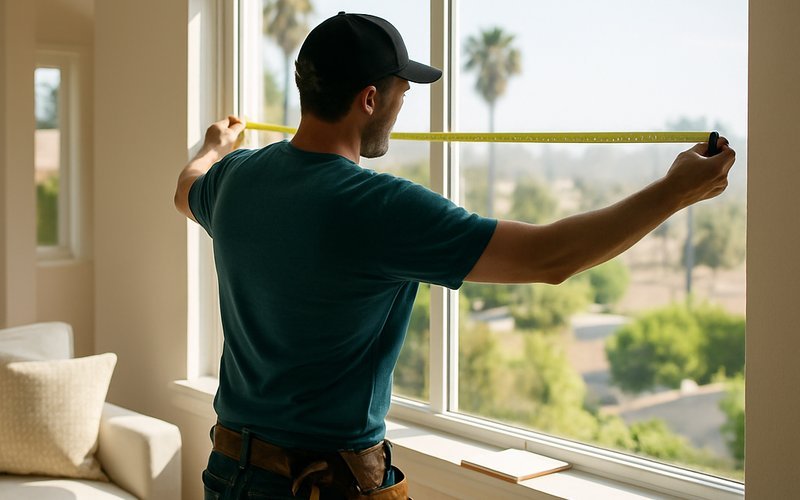
In Los Angeles, switchable glass pricing varies by product type, glass area, and installation complexity. Here’s what you’ll actually pay in 2025–2026, based on typical residential and light commercial projects in the city.
| Product | Cost Per Sq Ft (Installed) | Typical Project Range | Best For |
|---|---|---|---|
| Smart Film | $25–$65 | $1,500–$12,000 | Retrofitting existing windows, renters, tight budgets |
| Smart Glass (PDLC) | $85–$200+ | $6,000–$60,000+ | New construction, full remodels, partitions |
| LED Film | $40–$90 | $3,000–$20,000+ | Storefronts, feature walls, display applications |
Your biggest cost driver isn’t the product itself — it’s the square footage and whether your project needs electrical rough-in work. A single sliding door panel in Silver Lake might run $1,800–$3,500 for smart film installation. A full floor-to-ceiling smart glass partition wall in a home office in Los Feliz could hit $15,000–$35,000 depending on panel size and framing complexity.
Electrician fees in Los Angeles run $90–$150 per hour, and most switchable glass installs need at least 2–4 hours of electrical work if new wiring is required. Factor that into your budget before you compare quotes.
California’s energy rebate programs may offset part of a smart glass upgrade cost. See whether your Los Angeles project qualifies for California energy rebates in 2026.
Smart Film vs. Smart Glass vs. LED Film: Which One Actually Fits Your Project?
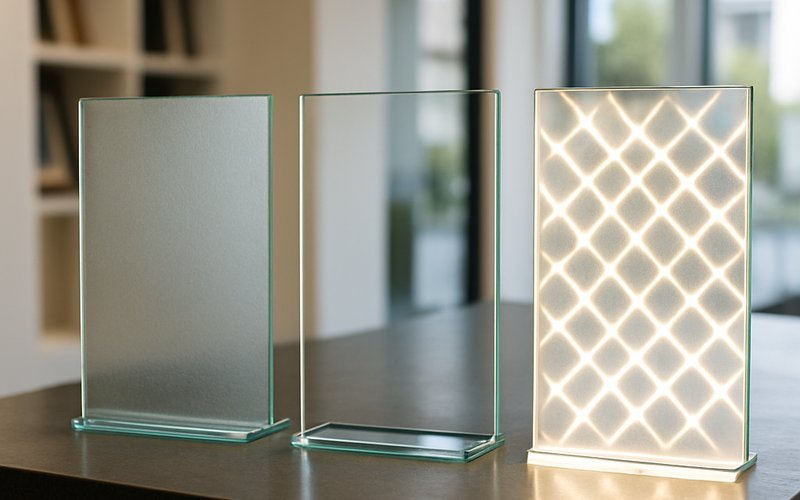
The honest answer: most Los Angeles homeowners don’t need smart glass. They need smart film. But there are real cases where only smart glass will do. Here’s a direct comparison to cut through the confusion.
| Factor | Smart Film | Smart Glass | LED Film |
|---|---|---|---|
| Installs on existing glass? | Yes | No (replaces glass) | Yes |
| Privacy when off? | Frosted (opaque) | Frosted (opaque) | Semi-transparent |
| Optical clarity when on? | Good | Excellent | Good |
| Electrical permit required? | Usually yes (hardwired) | Yes | Yes |
| Smart home integration? | Yes (most brands) | Yes | Limited |
| Heat reduction? | Moderate | Good | Minimal |
| Renter-friendly? | Sometimes (check lease) | No | Sometimes |
One thing contractors won’t always tell you upfront: smart film on a low-quality base glass can look slightly hazy even in the “clear” state. That’s a film limitation, not a defect. If optical clarity matters to you — think panoramic views from the hills — smart glass is worth the price premium. Read a full comparison of smart glass vs. window tint in Los Angeles if you’re weighing all your window privacy options.
LED film is genuinely different from the other two. It’s not primarily a privacy product. If someone’s selling you LED film for privacy, they’re selling you the wrong product. Use LED film where the display function is the point — a restaurant partition, a retail storefront, a home theater feature wall.
Where Are Los Angeles Homeowners Installing Switchable Glass? Neighborhood Examples
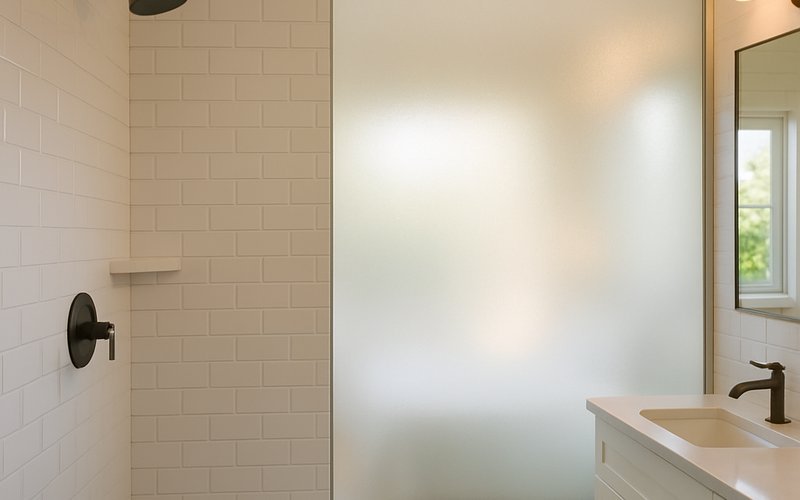
Switchable glass is showing up across Los Angeles in some specific and predictable places. The neighborhoods where it’s most active tend to share one trait: tight lot lines, close neighbors, or large glass facades that sacrifice privacy for light.
Silver Lake and Los Feliz
Mid-century homes and newer infill construction in Silver Lake and Los Feliz frequently feature large single-pane windows and glass doors that face the street or neighboring lots at close range. A homeowner in Silver Lake recently retrofitted three floor-to-ceiling windows and a glass front door with smart film for a total cost of $4,200. The project took two days and required an electrical permit from LADBS. The result: full street-facing privacy on demand, without replacing the original windows or adding any blinds.
Hollywood Hills and Beachwood Canyon
In the Hollywood Hills, the bigger projects tend to involve smart glass rather than film. Cantilevered homes with frameless glass walls are common, and owners often want to switch between total transparency for the view and full privacy without adding hardware that blocks the sightline. A new-build project in this part of Los Angeles recently specified smart glass for a 250 sq ft glass wall at just over $28,000 installed, including framing modifications and electrical rough-in.
And it’s not just residential. Commercial installations in the Fairfax District and around Melrose Avenue are increasingly using LED film on storefront glass for after-hours advertising and ambient brand displays. The glass stays functional and transparent during business hours, then becomes a display surface at night.
If you’re near the South Bay or working on a project just outside LA city limits, Pacific Smart Glass also serves Orange County with the same smart film installation services.
What Does LADBS Require Before You Install Switchable Glass in Los Angeles?
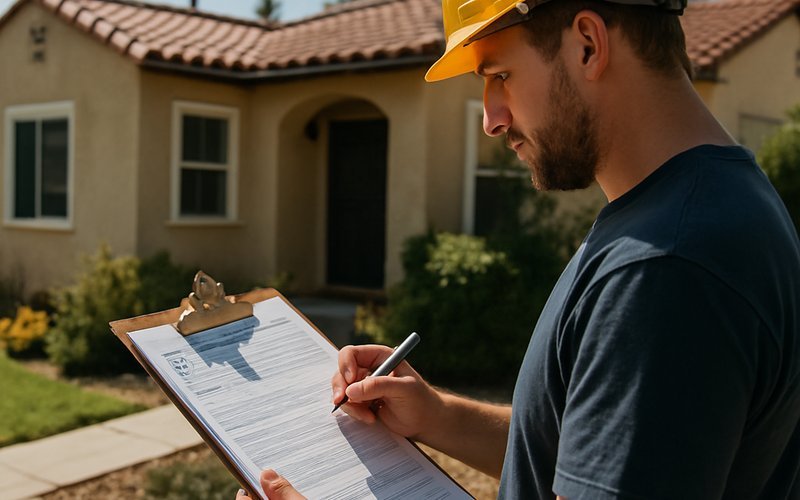
In Los Angeles, the Los Angeles Department of Building and Safety (LADBS) governs permits for any work that involves electrical connections, structural changes to glazing, or alterations to building envelopes. Here’s what that means in practice for switchable glass projects.
Smart film applied to existing glass with a plug-in power supply may not trigger a permit requirement in all cases. But if the film is hardwired — meaning the power connects directly to your home’s electrical system rather than plugging into an outlet — LADBS requires an electrical permit. Most professional installations are hardwired, so plan for this.
Smart glass panel replacements almost always require a permit. If the glass unit is being swapped out or if the installation involves modifying the window frame or wall opening, you’re looking at both an electrical permit and potentially a building permit from LADBS. Projects in hillside areas of Los Angeles may also trigger additional review under the city’s hillside construction regulations.
LADBS permits are pulled online through the City of Los Angeles’s e-permit portal. Your licensed contractor should handle this — and if they offer to skip the permit to save you money, that’s a red flag. Unpermitted electrical work can void your homeowner’s insurance and create problems at resale. Get the full breakdown of Los Angeles smart glass permit requirements.
How Long Does a Switchable Glass Installation Take in Los Angeles?
Smart film on existing windows is the fastest option. A single window or door takes 2–4 hours. A whole-home retrofit covering 200–400 sq ft of glass typically takes 1–2 days on-site, assuming the electrical rough-in is already in place or the film is running on a plug-in controller.
Smart glass panel installations take longer. If glass panels need to be custom-fabricated, lead times from the manufacturer run 4–8 weeks in most cases. Site installation, once panels arrive, typically takes 1–3 days depending on the number of panels and framing requirements. In Los Angeles, permit approval through LADBS currently runs 2–4 weeks for over-the-counter electrical permits, though complex projects can take longer.
LED film sits between the two. The film itself is usually available faster than custom glass panels, and installation is similar to smart film. But LED film systems require additional setup for the media controller and content system, which can add 1–2 days to the project timeline.
So from first consultation to finished installation, a typical Los Angeles smart film project runs 1–3 weeks total including permit time. A smart glass project runs 6–12 weeks from contract signing to completion. See a realistic week-by-week installation timeline for Los Angeles smart glass projects.
Ready to Move Forward? Find a Qualified Switchable Glass Installer Near Los Angeles
Before you hire anyone, check two things: their California contractor’s license (C-17 for glazing work, or C-10 for electrical) and whether they pull their own LADBS permits. A contractor who can’t or won’t pull permits isn’t protecting you — they’re protecting themselves.
Ask for project photos from actual Los Angeles installations, not generic product photos. Ask what brand of PDLC film or glass they use and whether it carries a manufacturer warranty. The better installers will tell you honestly when smart film is the right call instead of upselling you to full smart glass you don’t need.
Switchable glass is one of those purchases where the installer matters as much as the product. The film or glass itself is only as good as the electrical connection, the edge sealing, and the integration with your switch or smart home system. A poor installation on great glass is still a poor installation.
Pacific Smart Glass serves Los Angeles homeowners and businesses with licensed smart film, smart glass, and LED film installation. If you’re ready for an accurate quote on your specific project, contact the team at Pacific Smart Glass Los Angeles and get a real number for your space — no vague estimates, no pressure.