
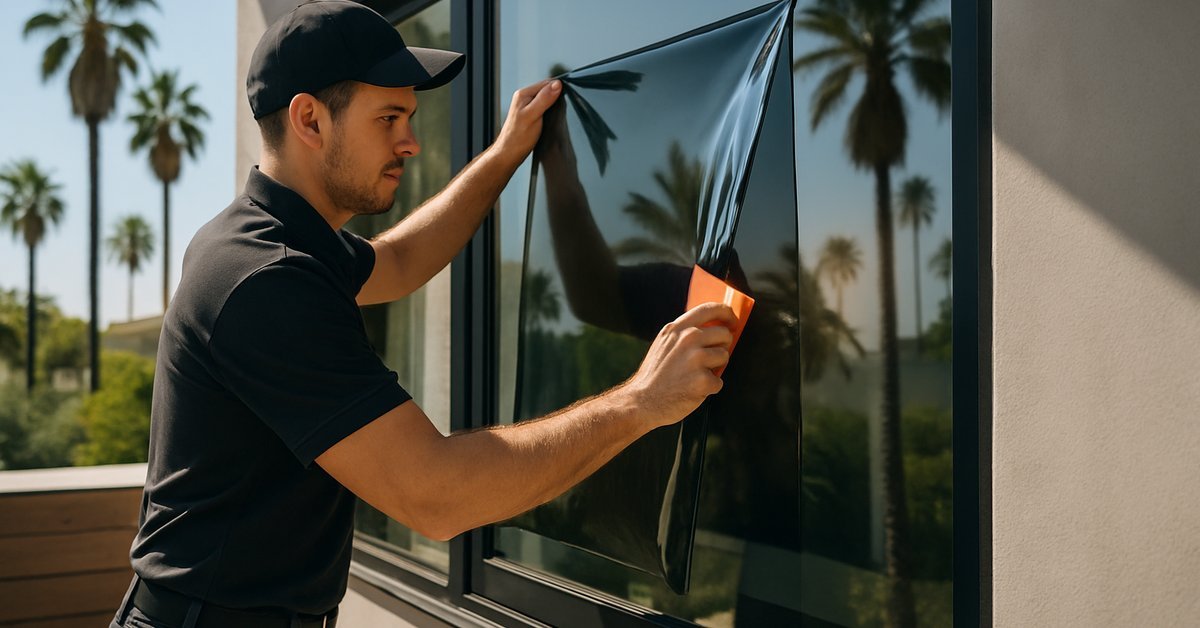
Los Angeles homeowners researching a smart glass energy rebate in Los Angeles, California are asking a sharp question right now: does switching to smart glass actually put money back in your pocket? The honest answer is yes, but only if you choose the right product and follow the right application path. A poorly chosen smart film product can fail LADWP’s eligibility criteria entirely, costing you the rebate before you’ve even started. This guide cuts through the vague program language to tell you exactly which products qualify for a smart glass energy rebate in Los Angeles, California, what Title 24 compliance requires, and how to stack programs for maximum savings. If you’re ready to start with a quote, talking to a licensed Los Angeles smart glass installer before you buy anything is the smartest first step.
Which Los Angeles Energy Rebate Programs Actually Cover Smart Glass in 2026?
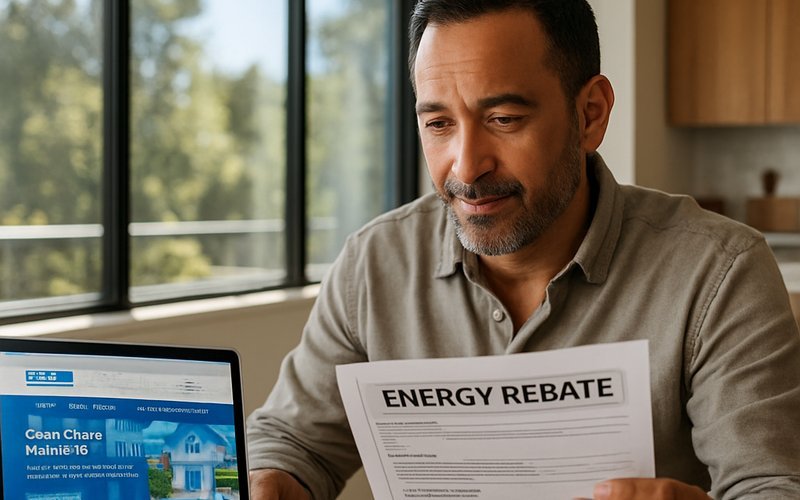
In Los Angeles, three distinct programs can apply to smart glass and smart film installations: LADWP’s residential rebate program, the California Energy Commission’s Energy Savings Assistance Program (for income-qualified homeowners), and the federal 25C tax credit. Not all three apply to every installation, and the smart glass energy rebate landscape in Los Angeles is more specific than most contractors will tell you upfront.
| Program | Rebate or Credit Amount | Eligibility Trigger | Who Administers It |
|---|---|---|---|
| LADWP Residential Rebate (Window Glazing) | $0.20–$0.35 per sq ft, up to $200 | SHGC ≤ 0.25 in Climate Zone 9/10; must reduce cooling load | LADWP Residential Services |
| California ESA Program | Up to 100% cost coverage | Income-qualified households; administered by SoCalGas/LADWP | LADWP / CEC |
| Federal 25C Tax Credit (IRA) | 30% of product cost, up to $600 for windows/skylights | ENERGY STAR Most Efficient label; installed in primary residence | IRS / Filed with federal return |
| LADWP Commercial Retrofit Rebate | Custom calculation, typically $0.15–$0.50 per sq ft | Measured energy savings; commercial account required | LADWP Business Incentives |
The LADWP residential rebate is the one most homeowners in Silver Lake, Woodland Hills, and other Los Angeles neighborhoods will realistically access. It’s not huge money on its own. But stack it with the federal 25C credit and you’re looking at meaningful savings on a $4,000–$9,000 installation.
One important detail: LADWP’s rebate is tied to your account type and service address. You need to be an LADWP residential customer, not a DWP commercial account holder, to access the residential window rebate. Confirm your account classification before applying.
Does California Title 24 Recognize Smart Glass and Smart Film as Qualifying Upgrades?
California’s Title 24 Building Energy Efficiency Standards do recognize dynamic glazing, which is the category that covers smart glass and electrochromic glass products. But “recognized” doesn’t automatically mean “rewarded with a rebate.” Title 24 compliance is a building code requirement, not a rebate trigger on its own.
Here’s what actually matters: when smart glass is installed as part of a permitted alteration or new construction in Los Angeles, the California Energy Commission’s compliance software (CBECC-Res or EnergyPro) can model the dynamic glazing’s impact on the building’s energy budget. If the smart glass helps the building meet or exceed the energy budget, it contributes to Title 24 compliance, which in turn can support rebate eligibility.
For homeowners, the practical path is this: your installer generates a CF1R (Certificate of Installation) document, which records the installed glazing’s energy performance specs. That document is then filed with the Los Angeles Department of Building and Safety (LADBS) if a permit was pulled. LADWP may ask for this documentation when you file a rebate claim.
Smart film applied to existing glass is handled differently under Title 24. The film changes the effective SHGC and U-factor of the existing window, and that new combined performance value is what gets measured. If your existing window is single-pane and you add a qualifying smart film, the combined assembly still needs to hit the SHGC threshold for the relevant climate zone. Los Angeles falls primarily in Climate Zone 9 (most of the valley and central city) and Climate Zone 10 (coastal areas). Both zones require an SHGC of 0.25 or lower for fenestration in the Title 24 residential standard.
Smart Glass vs. Smart Film vs. LED Film: Which Products Qualify for LADWP Rebates?
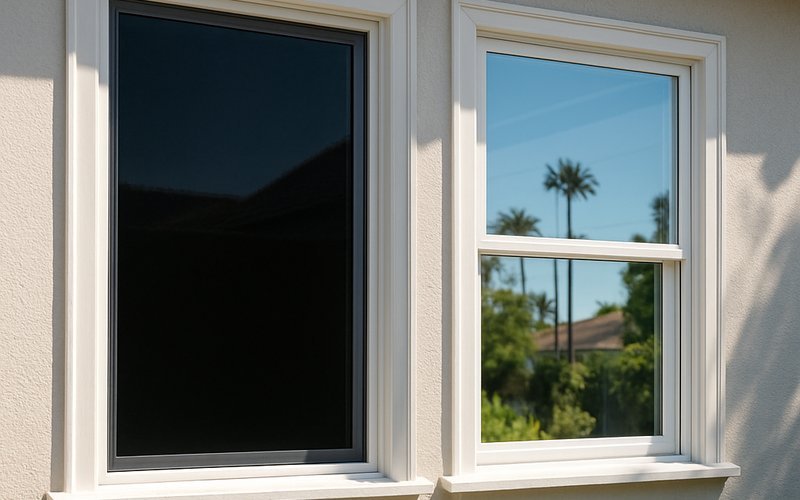
Not every product in this category qualifies, and the differences are real. LADWP’s window rebate program is structured around measurable energy performance, specifically solar heat gain reduction. Here’s how each product type stacks up for a smart glass energy rebate in Los Angeles, California.
| Product Type | Typical SHGC Range (Tinted State) | LADWP Rebate Eligible? | Federal 25C Eligible? | Notes |
|---|---|---|---|---|
| Electrochromic Smart Glass | 0.09–0.18 | Yes, if SHGC ≤ 0.25 | Yes, if ENERGY STAR Most Efficient | Best performance; highest installed cost |
| PDLC Smart Film (on existing glass) | 0.18–0.35 depending on existing glass | Conditional; combined assembly must meet SHGC threshold | Generally no; film alone not ENERGY STAR certified | Privacy-focused; energy benefit is secondary |
| SPD Smart Film | 0.12–0.22 | Conditional; better SHGC than PDLC | Unlikely; certification varies by manufacturer | Strong solar control; used in high-heat zones |
| LED Film | Not applicable (display product) | No | No | LED film is a display technology, not an energy glazing product |
LED film is worth calling out specifically because it’s often grouped with smart glass and smart film in contractor conversations. LED film in Los Angeles serves a completely different purpose: it turns glass into a display surface. It has no energy performance classification and doesn’t qualify for any energy rebate or tax credit. If a contractor tells you otherwise, ask to see the product’s ENERGY STAR certification. You won’t find one.
For PDLC smart film, the key is the existing glass. A homeowner in Silver Lake with double-pane low-E windows might achieve a combined SHGC well below 0.25 after adding PDLC film. A homeowner in Woodland Hills with single-pane glass probably won’t. Get the combined assembly SHGC calculated before you buy anything.
Can Los Angeles Homeowners Stack a LADWP Rebate With the Federal 25C Tax Credit?
Yes, you can stack them, and it’s worth doing the math carefully before you dismiss either program as “not worth the paperwork.” The two programs are independent of each other. LADWP’s rebate is a utility-administered incentive. The 25C credit is a federal income tax credit. They don’t cancel each other out, and there’s no rule preventing a Los Angeles homeowner from claiming both.
Here’s how the stacking works in practice. Say you install electrochromic smart glass on your south-facing windows for a total product-and-labor cost of $6,500. The 25C credit covers 30% of the product cost (not labor), up to a $600 cap for windows specifically. That’s $600 back at tax time. LADWP’s residential window rebate adds another $150–$200 depending on square footage. You’re now at $750–$800 in total savings on that installation.
Honestly, $800 on a $6,500 project isn’t a transformation of the economics. But it’s real money, and most homeowners leave it on the table simply by not filing. The 25C credit is claimed on IRS Form 5695 when you file your federal return. The LADWP rebate is a separate application filed directly with LADWP after installation is complete.
One rule to know: for 25C eligibility, the product must carry the ENERGY STAR Most Efficient designation, not just the standard ENERGY STAR label. Most Efficient is a subset with stricter performance criteria. Ask your supplier for the specific ENERGY STAR certification tier before purchasing.
What Do Real Rebate-Eligible Installations Cost in Los Angeles Neighborhoods Like Silver Lake and Woodland Hills?
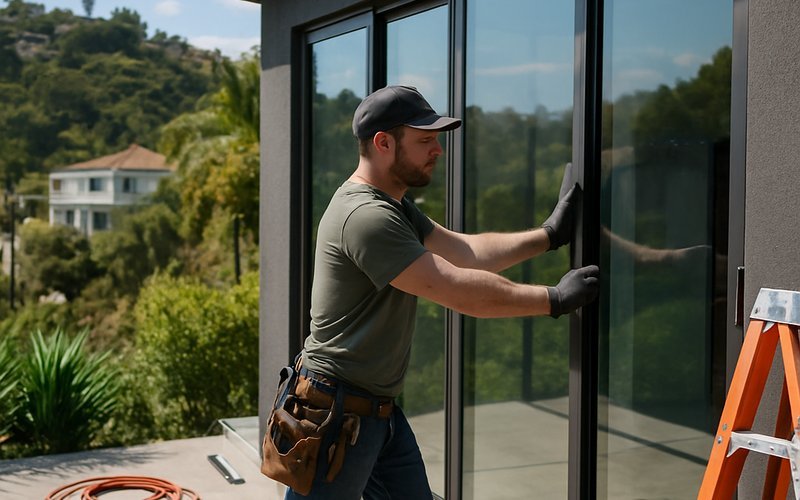
A homeowner in Silver Lake recently installed electrochromic smart glass on three south-facing bedroom windows, totaling approximately 85 square feet. The installed cost came to $5,800–$7,200, depending on the glass unit specification chosen. After the LADWP residential rebate and a 25C tax credit on the product portion, the net out-of-pocket cost landed around $5,100–$6,500.
In Woodland Hills, where summer heat loads are significantly higher, a homeowner installed SPD smart film on existing dual-pane windows across a large living room and dining area, roughly 140 square feet total. The smart film installation ran $3,200–$4,400. Because the combined assembly SHGC qualified under LADWP’s threshold, they received a rebate of approximately $140. The 25C credit didn’t apply because the film product wasn’t ENERGY STAR Most Efficient certified.
So what drives cost in Los Angeles specifically? Three things: glass size and shape (custom cuts cost more), whether you’re replacing the entire glass unit or applying film to existing glass, and the product tier you choose. Electrochromic smart glass from premium manufacturers runs $55–$120 per square foot installed. PDLC or SPD smart film applied to existing glass typically runs $18–$40 per square foot installed. For a good overview of where to prioritize these upgrades in your home, see the best rooms in your Los Angeles home to install smart glass.
And if you’re wondering about the installation timeline, most smart glass or smart film jobs in Los Angeles take 1–3 days for a typical residential project. Larger or custom jobs may run longer. Check out a detailed breakdown of how long smart glass installation takes in Los Angeles before you plan around it.
How Do You Apply for an Energy Rebate on a Smart Glass Installation Through LADWP?
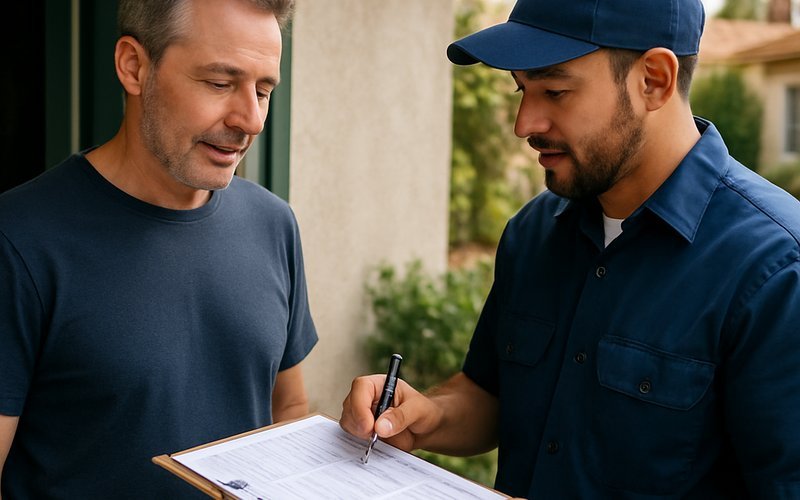
The LADWP rebate application process for window glazing upgrades has a specific sequence. Skipping steps or filing out of order is the most common reason applications get rejected.
- Confirm product eligibility before purchasing. Use LADWP’s online rebate finder (ladwp.com/rebates) to verify the specific product model qualifies. LADWP maintains an approved product list for window glazing rebates.
- Get a permit if your project requires one. The Los Angeles Department of Building and Safety (LADBS) requires a permit for structural glazing changes. Smart film applied to existing glass generally doesn’t trigger a permit requirement, but full smart glass unit replacement may. See our full breakdown of whether you need a permit to install smart glass in Los Angeles.
- Complete installation with a licensed contractor. LADWP rebates require the work to be performed by a licensed California contractor. Keep all invoices showing the contractor’s license number.
- Submit the LADWP rebate application within 180 days of installation. You’ll need: the completed rebate form, proof of purchase with product model numbers, contractor invoice, and (if applicable) the permit and CF1R documentation from LADBS.
- Wait for processing. LADWP typically processes residential rebate applications within 6–10 weeks. Rebates are issued as bill credits or checks.
One thing to know: LADWP requires that the rebate application be submitted by the LADWP account holder, not the contractor. Some contractors will help prepare the paperwork, but you have to be the one who files it.
Next Steps for Los Angeles Homeowners Ready to Pursue Smart Glass Rebates in 2026
Here’s the honest summary of pursuing a smart glass energy rebate in Los Angeles, California. Electrochromic smart glass gives you the best shot at stacking both the LADWP rebate and the 25C tax credit, but it carries the highest upfront cost. Smart film is more accessible and still delivers real energy savings in Los Angeles heat, but rebate eligibility depends heavily on your existing glass. LED film doesn’t qualify for any energy program, full stop.
Before you commit to a product, get the SHGC performance spec for the specific assembly you’re buying, confirm the product is on LADWP’s approved list, and ask your contractor whether a permit through LADBS is required for your specific installation. Those three steps done in advance will save you significant headaches during the rebate filing process.
If you want to see what products and installations make sense for your specific home, the team at Pacific Smart Glass works with Los Angeles homeowners on exactly this kind of evaluation, from product selection through rebate documentation. Getting a site assessment before you finalize any product decision is the move that actually protects your rebate eligibility from the start.